Plaster Bagworm Identification Habits and Control Methods

The plaster bagworm, also known as the household moth or simply bagworm, is an insect that can cause significant damage to homes and other structures. It is a common pest found in many parts of the world, including North America, Europe, and Asia. The larvae of the plaster bagworm are responsible for the infestation and damage.
The larvae of the plaster bagworm are small, caterpillar-like insects that are covered in a protective case made of silk and bits of debris. These cases resemble small bags or pouches, hence the name “bagworm.” The larvae use these cases as a form of camouflage, attaching them to walls, ceilings, or other surfaces in the household.
Plaster bagworm infestations can be identified by the presence of these silk cases attached to various surfaces. The larvae are nocturnal and tend to be more active during the night, making them difficult to spot during the day. However, their presence can be detected by the damage they cause to household items, such as fabric, paper, and even plaster.
Controlling plaster bagworm infestations requires a combination of preventive measures and targeted treatments. Regularly cleaning and vacuuming the house can help remove any eggs or larvae that may be present. Additionally, sealing any cracks or gaps in walls or ceilings can prevent the insects from entering the premises. In severe cases, professional pest control services may be required to eliminate the infestation and prevent further damage.
Identification

The plaster bagworm, also known as the household casebearer, is a small moth that belongs to the family Psychidae. It is a common household pest that can cause infestations in homes and buildings.
The adult moth is small, measuring about 1/2 to 3/4 inch in length. It has a slender body and long, narrow wings that are usually light brown or gray in color. The wings are covered in fine hairs, giving them a fuzzy appearance. The male moth has feathery antennae, while the female has thread-like antennae.
The larvae of the plaster bagworm are the stage that causes the most damage. They construct protective cases made of silk and debris, such as plaster, dust, and fibers from fabrics. These cases resemble small bags or tubes, hence the name “bagworm.” The larvae carry these cases with them as they move and feed.
The larvae are typically pale in color, ranging from white to light brown. They have a cylindrical body with a distinct head and six true legs, as well as several pairs of prolegs. The prolegs are used to anchor the larvae to surfaces and help them move around.
During their development, the larvae go through several molts. After the final molt, they enter the pupal stage, where they transform into adult moths. The pupa is usually found within the protective case.
Infestations of plaster bagworms can cause damage to various materials in the household. The larvae feed on a variety of organic matter, including fabrics, paper, hair, and dead insects. They can create holes and chew through these materials, leading to unsightly damage.
Identifying a plaster bagworm infestation can be done by looking for the presence of the larvae and their distinctive cases. These cases can often be found attached to walls, ceilings, and other surfaces in the home. Additionally, the presence of holes or chewed areas in fabrics and other materials can also indicate an infestation.
Physical Appearance

The plaster bagworm, also known as the household casebearer, is a small moth that belongs to the family Psychidae. The adult moth has a wingspan of about 1 cm and a body length of approximately 0.5 cm. The wings of the moth are light gray in color and are covered in scales. The body of the moth is slender and has a characteristic curved shape.
The larvae of the plaster bagworm are the most commonly encountered stage of this insect. The larvae have a unique appearance and are covered in a protective case made of silk and debris from their surroundings, such as plaster, lint, and other household materials. These cases can be mistaken for small bags or cocoons and are often found attached to walls, ceilings, or other surfaces in homes.
Inside the protective case, the larvae of the plaster bagworm are small and caterpillar-like. They have six legs and a segmented body. The larvae can vary in color, ranging from light brown to dark brown or black. They have a soft body and are covered in fine hairs.
When the larvae of the plaster bagworm are ready to pupate, they seal the opening of their protective case and attach it to a surface. Inside the case, the larvae transform into pupae, which are inactive and undergo metamorphosis to become adult moths. The pupae are usually light brown in color and have a smooth, oval shape.
The presence of plaster bagworms can cause damage to household items and structures. The larvae feed on a variety of materials, including fabric, paper, and organic debris, which can result in holes and damage to these items. They are particularly attracted to materials that contain keratin, such as wool and silk.
Overall, the physical appearance of the plaster bagworm and its larvae make them easily recognizable. The presence of their distinctive protective cases and the damage they cause can be indicators of an infestation that requires control measures to be taken.
Life Cycle

The life cycle of the plaster bagworm begins with the infestation of a household by adult moths. These moths are small, with a wingspan of about 1 inch, and are typically gray or brown in color.
After mating, the female moth lays her eggs on the walls and ceilings of the infested area. The eggs are very small and are usually laid in groups. They are also covered with a sticky substance that helps them adhere to the surface.
Within a few weeks, the eggs hatch and the larvae emerge. These larvae are small and worm-like, and they immediately begin to construct their protective bags. The bags are made of silk and are lined with plaster particles and other debris from the infested area.
The larvae use their silk to attach the bags to the walls and ceilings, where they remain for the duration of their development. As the larvae grow, they periodically enlarge their bags to accommodate their increasing size.
After several molts, the larvae enter the pupa stage. During this stage, they remain inside their bags and undergo metamorphosis. The pupa stage can last for several weeks, depending on environmental conditions.
Once the metamorphosis is complete, the adult moth emerges from the bag. The moth is typically very small and has a slender body with long antennae. It is during this stage that the moth is capable of mating and starting the cycle again.
It is important to note that the life cycle of the plaster bagworm can vary depending on environmental factors such as temperature and humidity. However, under optimal conditions, the entire life cycle from egg to adult can be completed in approximately 2 to 3 months.
Habits
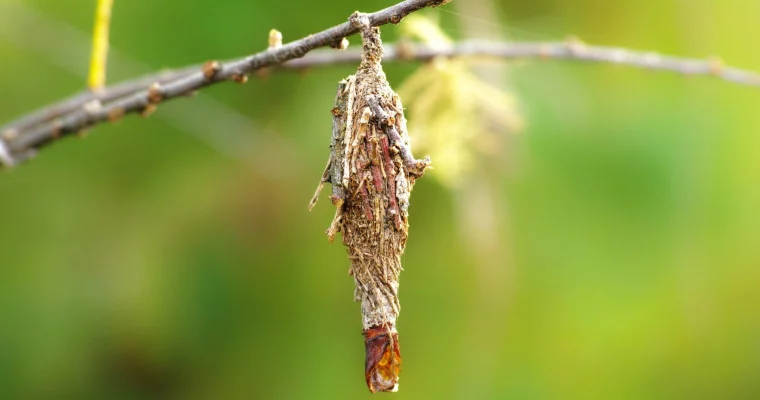
The plaster bagworm (Phereoeca uterella) is a household moth that is commonly found in homes and buildings. This small insect belongs to the family Tineidae and is known for its distinctive bag-like case made of silk and debris.
The life cycle of the plaster bagworm consists of four stages: egg, larva, pupa, and adult moth. The eggs are laid in the bag by the female moth, and the larvae hatch from these eggs. The larvae are small and worm-like, and they construct their bags by attaching silk to surfaces and incorporating debris such as dust, lint, and fibers.
The plaster bagworm larvae are nocturnal and are often found crawling on walls, ceilings, and other surfaces. They are attracted to light and may be seen near light fixtures or windows. These larvae feed on various organic materials found in homes, such as hair, dead insects, and cobwebs.
Infestations of plaster bagworms can occur when the larvae are brought into the home on infested items such as furniture, clothing, or plants. Once inside, they can easily spread to other areas of the home. These insects are capable of causing damage to fabrics, carpets, and other materials.
During the pupal stage, the larvae transform into adult moths inside their bags. The adult moths are small and have a wingspan of about 1 cm. They are weak fliers and are usually found near their bags or in close proximity to infested areas.
To control a plaster bagworm infestation, it is important to identify and remove their bags. The bags can be manually removed using a vacuum cleaner or by scraping them off surfaces. It is also important to address any underlying moisture or food sources that may be attracting the larvae. Regular cleaning and maintenance can help prevent infestations and reduce the likelihood of reinfestation.
| Scientific Name | Phereoeca uterella |
| Family | Tineidae |
| Life Cycle | Egg, larva, pupa, adult moth |
| Bag Construction | Silk and debris |
| Feeding Habits | Organic materials found in homes |
| Infestation Source | Infested items brought into the home |
| Control Methods | Manual removal, addressing underlying moisture and food sources |
Preferred Environment
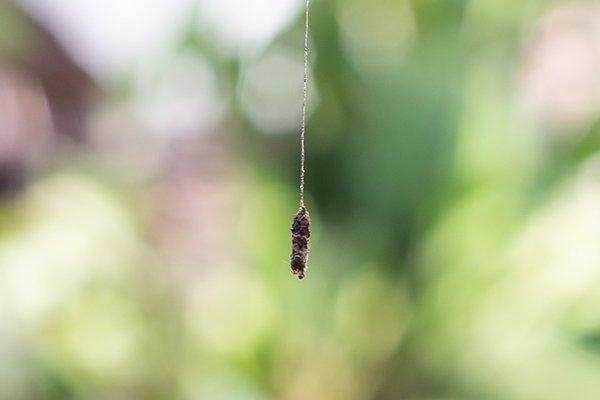
The plaster bagworm, also known as the household casebearer, is an insect that goes through a complete metamorphosis, starting as an egg and progressing through larvae, pupa, and adult stages. The larvae of the bagworm construct small cases made of plaster and other materials, which they carry around with them as they move.
The preferred environment for the plaster bagworm is in households, particularly in areas with high humidity. They are commonly found in bathrooms, kitchens, and other areas where moisture levels are high. The larvae of the bagworm feed on a variety of materials, including drywall, paper, and fabrics, which can lead to damage and infestation problems.
The bagworm moth is attracted to light, so they are often found near windows and light fixtures. They are also known to infest closets and storage areas where clothes and other fabrics are stored. The bagworm larvae are particularly attracted to areas with a buildup of dust and debris, as they use these materials to construct their cases.
To control a bagworm infestation, it is important to address the underlying moisture issue in the household. This can be done by fixing any leaks, improving ventilation, and reducing humidity levels. Regular cleaning and dusting of affected areas can also help prevent infestations by removing the materials that the larvae use to construct their cases.
In severe infestations, professional pest control services may be necessary to eliminate the bagworms and prevent further damage. These services may include the use of insecticides or other treatments to target the larvae and adult moths.
- Preferred environment for plaster bagworms:
- High humidity areas
- Bathrooms and kitchens
- Areas with dust and debris buildup
- Near windows and light fixtures
- Closets and storage areas
By understanding the preferred environment of the plaster bagworm, homeowners can take proactive steps to prevent infestations and minimize damage caused by these pests.
Feeding Habits
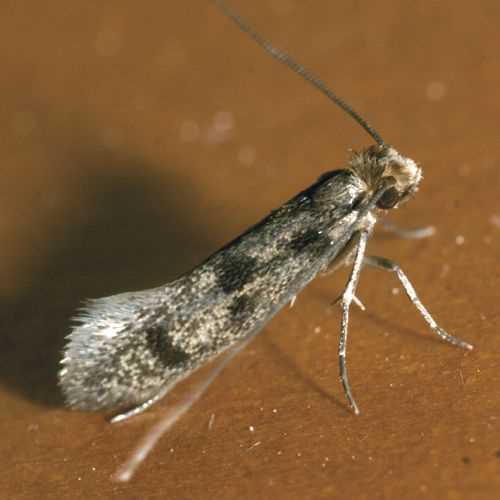
The larvae of the plaster bagworm, also known as the household bagworm, are responsible for causing damage in homes. These small insects are commonly found in households and can be identified by the distinctive bag-like structures they create using silk and debris.
The bagworm larvae primarily feed on materials such as wool, fur, silk, and plant fibers. They are known to cause damage to carpets, clothing, upholstery, and other household items made of these materials. The larvae use their strong jaws to chew through the fibers, creating holes and weakening the structure of the affected items.
Once the larvae have consumed enough food, they enter the pupa stage, during which they transform into adult moths. The adult moths do not feed and have a short lifespan, usually only living for a few days or weeks.
It is important to identify and control bagworm infestations early to prevent further damage to household items. Regular cleaning and inspection of carpets, clothing, and upholstery can help detect the presence of bagworm larvae. Additionally, sealing cracks and gaps in walls and windows can help prevent the entry of bagworms into the home.
If an infestation is detected, it is recommended to consult a professional pest control service to effectively eliminate the bagworms and prevent future infestations. Chemical treatments can be used to kill the larvae and their eggs, while also treating the affected areas to prevent re-infestation.
| Feeding Habits | Identification | Control Methods |
|---|---|---|
| Feeds on wool, fur, silk, and plant fibers | Creates bag-like structures using silk and debris | Regular cleaning and inspection |
| Causes damage to carpets, clothing, upholstery, etc. | Identifiable by bag-like structures | Sealing cracks and gaps |
| Transforms into adult moths | Short lifespan of adult moths | Consulting professional pest control |
Control Methods

1. Inspection and Identification:
Before implementing any control methods, it is important to inspect the affected area and properly identify the plaster bagworms. Look for small, bag-like structures made of silk and debris hanging from ceilings, walls, or other surfaces. These bags are often mistaken for small pieces of plaster or debris.
2. Removal of Bags:
The first step in controlling a plaster bagworm infestation is to physically remove the bags. Carefully inspect the affected area and manually remove any visible bags. It is important to remove the bags as soon as possible to prevent further damage.
3. Vacuuming:
After removing the bags, vacuum the affected area thoroughly to remove any remaining eggs, larvae, or pupae. Pay close attention to cracks, crevices, and corners where the insects may hide.
4. Sealing Cracks and Openings:
To prevent future infestations, seal any cracks or openings in walls, ceilings, or other surfaces where plaster bagworms may enter. Use caulk or sealant to seal gaps and ensure a tight seal.
5. Proper Storage and Cleaning:
Plaster bagworms are often brought into households through infested items such as furniture, decorations, or clothing. Properly inspect and clean any new items before bringing them into the house. Regularly clean and organize storage areas to reduce potential hiding places for insects.
6. Insecticides:
If the infestation is severe or persistent, insecticides may be necessary. Consult a professional pest control service or follow the instructions on the insecticide product carefully. It is important to use insecticides safely and only as directed.
7. Regular Monitoring:
After implementing control methods, regularly monitor the affected area for any signs of reinfestation. If new bags or insects are found, take immediate action to prevent further damage.
| Control Method | Description |
|---|---|
| Inspection and Identification | Inspect the affected area and identify plaster bagworms. |
| Removal of Bags | Physically remove visible bags from the affected area. |
| Vacuuming | Thoroughly vacuum the affected area to remove any remaining insects. |
| Sealing Cracks and Openings | Seal any cracks or openings where plaster bagworms may enter. |
| Proper Storage and Cleaning | Inspect and clean new items before bringing them into the house. Regularly clean and organize storage areas. |
| Insecticides | Use insecticides if the infestation is severe or persistent. |
| Regular Monitoring | Monitor the affected area for signs of reinfestation. |
Prevention

To prevent an infestation of plaster bagworms, it is important to take certain precautions and implement preventive measures. Here are some recommended prevention methods:
- Regular cleaning: Keep your home clean and free of debris. Regularly vacuum and dust all areas, including corners, ceilings, and walls, where bagworm larvae and pupae may hide.
- Seal cracks and crevices: Inspect your home for any cracks or crevices and seal them properly. This will prevent bagworms from entering your home and creating an infestation.
- Proper storage: Store clothing, fabrics, and other susceptible items in sealed containers or bags to prevent bagworm larvae from accessing them.
- Remove bagworm nests: If you notice any bagworm nests on your property, remove them carefully. Dispose of the nests in sealed bags to prevent the larvae from spreading.
- Proper ventilation: Ensure that your home is well-ventilated to discourage bagworms from settling in damp and humid areas.
- Regular inspection: Inspect your home and outdoor areas regularly for any signs of bagworms or their damage. Early detection can help prevent an infestation from spreading.
- Trim vegetation: Trim trees, shrubs, and plants near your home to remove potential habitats for bagworms. This will also reduce the risk of bagworms spreading to your property.
- Professional pest control: If you have a severe infestation or are unable to control the problem on your own, consider hiring a professional pest control service to eliminate the bagworms.
By following these preventive measures, you can reduce the risk of a bagworm infestation and protect your home from potential damage caused by these insects.
Video:Plaster Bagworm Identification Habits and Control Methods
How to kill bagworms Bugs. Part 2

Hello, I am Beverly J. Sanders, the voice behind the diverse articles you come across on styves.co.za. My passion lies in exploring the nuances of home improvement and sharing tips that can help you transform your living space into a haven of comfort and style. From the latest trends in home decor to practical cleaning advice, I cover a broad spectrum of topics to cater to a wide variety of interests.
In my recent works, I have delved into the advantages of incorporating a horizontal Murphy bed into your home to save space without compromising on design and functionality. I also explored the benefits of having a free-standing electric fireplace that not only adds warmth to your home but also brings a sleek and modern design to any living space. My articles are a rich resource, offering insights into different products and home improvement strategies that can enhance the quality of your life.
I believe in the power of details; a belief that reflects in my comprehensive guides where I discuss even the overlooked aspects of home decor, such as the impact of baseboard trim in enhancing the overall look and feel of your home. I am constantly on the lookout for innovative solutions and products that can add value to your home and life.
Join me in my exploration as I continue to bring you the latest trends, tips, and insights in the home improvement world. Let’s create a home that is not just a place to live, but a reflection of style and personality.