Learn the Art of Landscape Drawing Tips Techniques and Inspiration
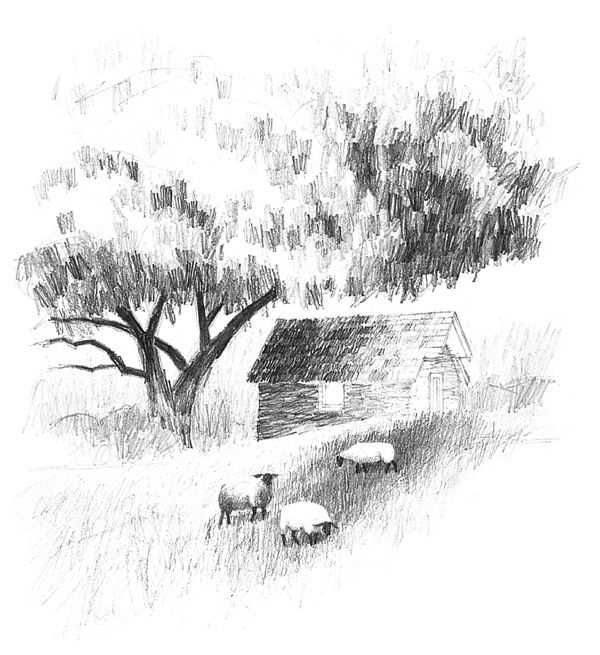
When it comes to capturing the beauty of nature, there is no better way than through the art of landscape drawing. Whether you are a beginner or an experienced artist, drawing landscapes allows you to immerse yourself in the scenery and express your creativity.
With just a pencil and paper, you can create stunning sketches that capture the essence of a landscape. The key to successful landscape drawing lies in mastering various techniques, such as shading, perspective, and composition. By understanding these techniques, you can bring depth and dimension to your drawings, making them come to life on the page.
Color can also play a crucial role in landscape drawing. While pencil drawings can be beautiful in black and white, adding color can enhance the mood and atmosphere of the scene. Whether you choose to work with colored pencils or experiment with watercolors, adding color to your landscape drawings can create a sense of vibrancy and realism.
One of the most important aspects of landscape drawing is composition. How you arrange the elements within your drawing can greatly impact the overall effect. By carefully considering the placement of trees, mountains, and other elements, you can create a balanced and visually pleasing composition that draws the viewer’s eye into the scene.
So, whether you are a beginner looking to learn the basics of landscape drawing or an experienced artist seeking inspiration, this article will provide you with valuable tips, techniques, and inspiration to help you master the art of landscape drawing. Get ready to explore the beauty of nature and express your creativity through the timeless art of landscape drawing.
Tips for Landscape Drawing
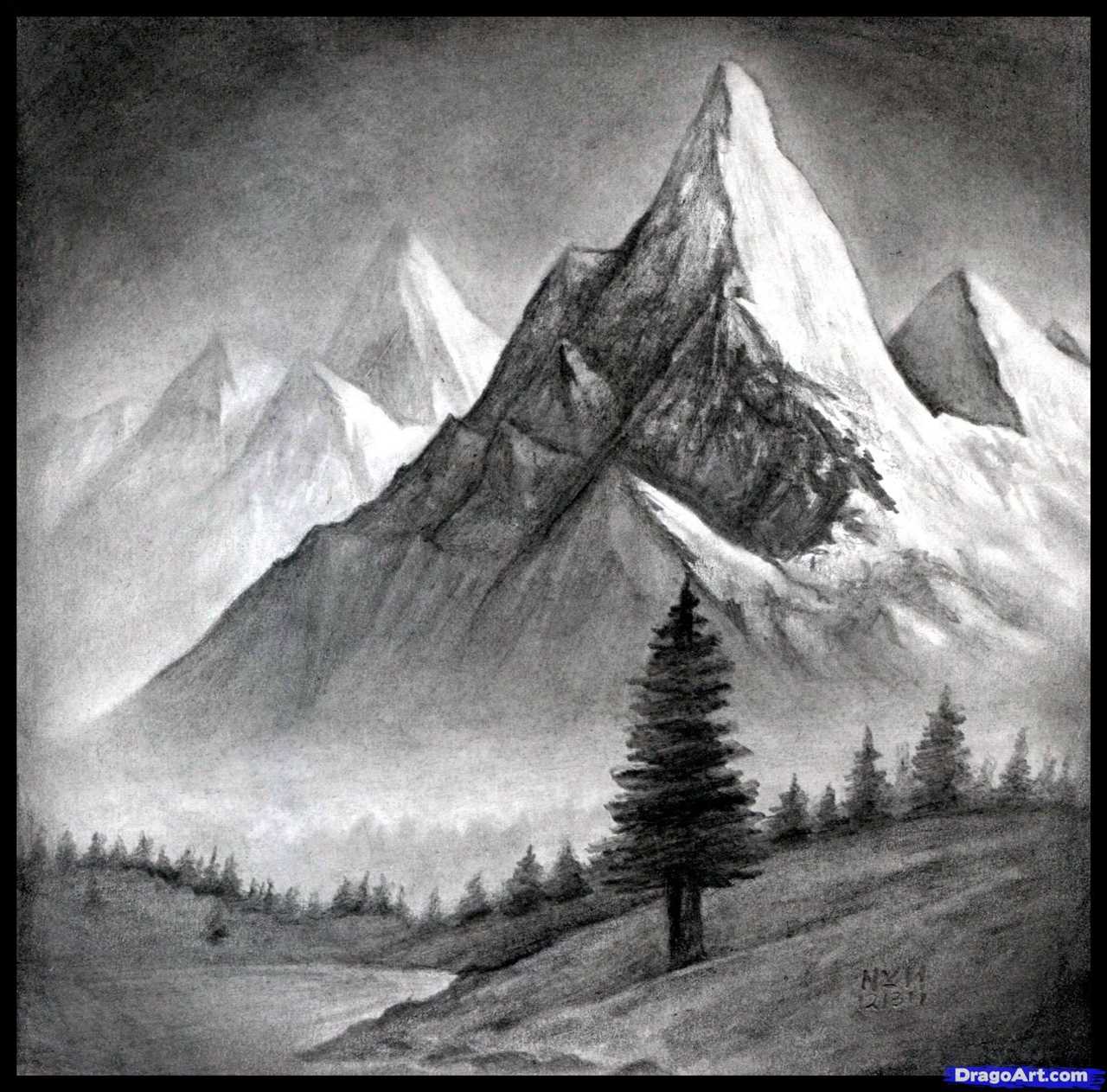
When it comes to landscape drawing, there are several tips and techniques that can help you create stunning scenery sketches. Whether you’re a beginner or an experienced artist, these tips will help you enhance your drawing skills and bring out the beauty of nature in your artwork.
- Observe and study: Take the time to observe and study real-life landscapes. Pay attention to the colors, textures, and composition of the scenery. This will help you understand how to recreate them in your drawings.
- Start with a sketch: Before diving into the final drawing, start with a rough sketch to plan out the composition and layout. This will help you establish the basic shapes and elements of the landscape.
- Use reference photos: Reference photos can be a great tool for landscape drawing. They can provide you with inspiration and help you capture the essence of a particular scene. However, make sure to add your own creative touch and not simply copy the photo.
- Focus on color: Color plays a crucial role in landscape drawing. Experiment with different color palettes to capture the mood and atmosphere of the scenery. Pay attention to the way light and shadows affect the colors in the landscape.
- Create depth and perspective: To make your landscape drawings more realistic, incorporate depth and perspective. Use techniques such as overlapping, diminishing size, and atmospheric perspective to create a sense of distance and depth in your artwork.
- Use different drawing techniques: Explore different drawing techniques such as hatching, cross-hatching, stippling, and blending to add texture and detail to your landscape drawings. These techniques can help you bring out the different elements of nature in your artwork.
- Experiment with composition: Composition is key in landscape drawing. Play around with different compositions to create a visually appealing and balanced artwork. Consider the rule of thirds, leading lines, and focal points to guide the viewer’s eye through the drawing.
- Practice regularly: Like any skill, landscape drawing requires practice. Set aside regular time to practice and experiment with different techniques. The more you practice, the more your skills will improve.
Remember, landscape drawing is an art form that allows you to express your creativity and capture the beauty of nature. Use these tips as a starting point, but don’t be afraid to develop your own style and techniques. Enjoy the process and let your imagination guide you!
Understanding Perspective

Perspective is an essential concept in landscape drawing that helps create a sense of depth and realism in your artwork. It involves understanding how objects appear smaller as they recede into the distance.
In drawing, perspective is achieved by using techniques such as vanishing points, horizon lines, and foreshortening. These techniques allow you to create the illusion of three-dimensional space on a two-dimensional surface.
When drawing a landscape, it’s important to consider the different elements that contribute to perspective. Here are some key points to keep in mind:
- Size and scale: Objects that are closer to the viewer appear larger, while those that are farther away appear smaller. Pay attention to the proportions and sizes of objects in your composition to create a realistic sense of distance.
- Overlap: Overlapping objects can help create a sense of depth in your drawing. By placing objects in front of each other, you can give the viewer a sense of which objects are closer and which are farther away.
- Detail and texture: Objects that are closer to the viewer tend to have more detail and texture, while those that are farther away appear more simplified. Use this knowledge to add depth and realism to your landscape.
- Atmospheric perspective: As objects recede into the distance, they also become less saturated and lighter in color. This effect, known as atmospheric perspective, can help create a sense of depth and distance in your landscape.
When sketching a landscape, start by establishing the horizon line and vanishing points. These will serve as guides for placing objects in your composition. Pay attention to the angles and proportions of objects to create a realistic sense of perspective.
Remember, perspective is a fundamental skill in landscape drawing that takes practice to master. By understanding and applying the principles of perspective, you can create stunning and realistic scenery in your artwork.
Capturing Light and Shadow

When it comes to landscape drawing, capturing light and shadow is essential to create a realistic and captivating artwork. Understanding how light interacts with the scenery can help you bring your drawings to life.
Color plays a significant role in capturing light and shadow. By using different shades and tones, you can depict the various lights and shadows present in the landscape. Experiment with different color combinations to create depth and dimension in your artwork.
Artists often find inspiration in nature itself. Take the time to observe the scenery you want to draw, paying attention to how light falls on different objects. Notice the areas that are in shadow and those that are illuminated by the sun. This observation will help you accurately represent the lighting in your drawing.
Composition is another important aspect to consider when capturing light and shadow. Think about how the light source affects the overall composition of your drawing. It can create interesting patterns and shapes as it interacts with the landscape.
When drawing light and shadow, pay attention to the direction of the light source. Shadows will appear on the opposite side of the light source, creating contrast and depth in your artwork. Use your pencil to create different levels of shading to represent the variations in light and shadow.
Scenery in landscape drawing often involves various elements, such as trees, mountains, and water bodies. Each of these elements interacts with light and shadow differently. Take your time to study how different objects cast shadows and reflect light. This understanding will help you create a more realistic and believable landscape drawing.
Remember to practice regularly to improve your skills in capturing light and shadow. Experiment with different techniques and materials to find your own style. With time and dedication, you will be able to create stunning landscape drawings that truly capture the beauty of nature.
Creating Depth with Layers

When it comes to landscape drawing, creating depth is crucial to capturing the beauty and realism of a scene. One effective technique to achieve depth in your artwork is by using layers. Layers allow you to create a sense of distance and space, making your artwork more engaging and visually appealing.
Here are some tips on how to create depth with layers in your landscape drawings:
- Foreground: Start by sketching the foreground of your landscape. This is the area that is closest to the viewer and should be drawn with more detail and precision. Use darker colors or heavier pencil strokes to emphasize the objects in the foreground.
- Middle ground: The middle ground is the area between the foreground and the background. It should have less detail and softer colors compared to the foreground. Use lighter pencil strokes or lighter colors to create a sense of distance.
- Background: The background is the farthest area in your landscape. It should have the least amount of detail and lighter colors. Use lighter pencil strokes or lighter colors to create a sense of depth and distance.
By creating these layers of varying detail and color, you can effectively create depth and perspective in your landscape drawings. This technique mimics how our eyes perceive depth in real life, making your artwork more realistic and visually appealing.
Remember to pay attention to the composition of your landscape drawing. Consider the placement of objects and elements in your scenery to create a balanced and visually pleasing composition. This will further enhance the sense of depth in your artwork.
Experiment with different techniques and materials to create layers in your landscape drawings. Try using different pencils or adding color to your artwork to enhance the depth and realism. Don’t be afraid to explore and push the boundaries of your art!
With practice and experimentation, you will be able to master the art of creating depth with layers in your landscape drawings. So grab your pencil, immerse yourself in the beauty of nature, and let your creativity flow!
Techniques for Landscape Drawing
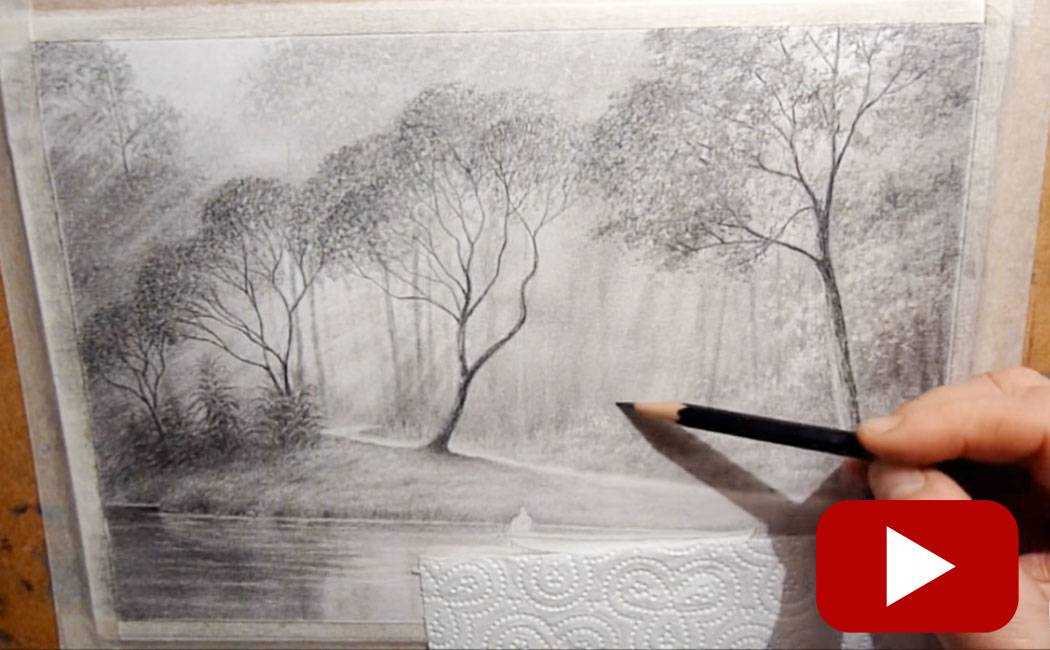
Drawing landscapes can be a rewarding and creative way to capture the beauty of nature. Whether you are a beginner or an experienced artist, here are some techniques to help you improve your landscape drawing skills.
- Observe the scenery: Before you start sketching, take some time to observe the landscape you want to draw. Notice the colors, shapes, and textures of the elements in nature.
- Use color effectively: Color can bring life to your landscape drawings. Experiment with different color palettes to capture the mood and atmosphere of the scene. Pay attention to the way light affects the colors in nature.
- Study nature: Take the time to study and understand the elements of nature. Learn about the different types of trees, plants, and rocks that are commonly found in landscapes. This knowledge will help you create more realistic and detailed drawings.
- Experiment with different art techniques: There are various drawing techniques that you can use to create interesting effects in your landscape drawings. Try using hatching, cross-hatching, stippling, or smudging to add texture and depth to your artwork.
- Focus on composition: Composition is an important aspect of landscape drawing. Consider the placement of objects and the overall balance of your drawing. Use the rule of thirds or other compositional techniques to create a visually pleasing composition.
- Practice sketching: Regular practice is key to improving your landscape drawing skills. Carry a sketchbook with you and sketch whenever you have the opportunity. This will help you develop your observation skills and improve your ability to capture the essence of a landscape.
- Experiment with different perspectives: Don’t be afraid to try different perspectives in your landscape drawings. Experiment with bird’s eye view, worm’s eye view, or unusual angles to create unique and interesting compositions.
- Seek inspiration: Look for inspiration from other artists, both contemporary and historical. Study their techniques and styles to expand your own artistic vocabulary. Visit art galleries, read art books, and explore online resources to discover new ideas and approaches.
Remember, landscape drawing is a journey of exploration and self-expression. Embrace the beauty of nature and let your creativity flow through your drawings.
Using Different Drawing Tools
When it comes to landscape drawing, there are a variety of tools that you can use to create stunning artworks. The choice of drawing tools can greatly influence the final result, so it’s important to experiment with different options to find the ones that work best for you. Here are some common drawing tools that you can use:
- Pencil: The pencil is a versatile tool that is widely used in landscape drawing. It allows you to create different shades and textures, making it perfect for capturing the details of nature.
- Color pencils: Color pencils are a great choice if you want to add vibrant colors to your landscape drawings. They can be layered and blended to create a wide range of hues and tones.
- Pastels: Pastels are another option for adding color to your landscape sketches. They have a soft and powdery texture, which can create a beautiful and dreamy effect.
- Ink pens: Ink pens are ideal for creating bold and precise lines in your landscape drawings. They can be used to add intricate details and patterns to your artwork.
- Markers: Markers are great for adding bold and vibrant colors to your landscape sketches. They can create a strong contrast and make your artwork stand out.
- Charcoal: Charcoal is a popular choice for creating dramatic and expressive landscape drawings. It allows you to create deep, rich blacks and create a sense of depth and atmosphere.
Experimenting with different drawing tools can help you discover new techniques and styles that can enhance your landscape drawings. Don’t be afraid to mix and match different tools to create unique and captivating compositions. Remember, the most important thing is to have fun and let your creativity flow!
Video:Learn the Art of Landscape Drawing Tips Techniques and Inspiration

Hello, I am Beverly J. Sanders, the voice behind the diverse articles you come across on styves.co.za. My passion lies in exploring the nuances of home improvement and sharing tips that can help you transform your living space into a haven of comfort and style. From the latest trends in home decor to practical cleaning advice, I cover a broad spectrum of topics to cater to a wide variety of interests.
In my recent works, I have delved into the advantages of incorporating a horizontal Murphy bed into your home to save space without compromising on design and functionality. I also explored the benefits of having a free-standing electric fireplace that not only adds warmth to your home but also brings a sleek and modern design to any living space. My articles are a rich resource, offering insights into different products and home improvement strategies that can enhance the quality of your life.
I believe in the power of details; a belief that reflects in my comprehensive guides where I discuss even the overlooked aspects of home decor, such as the impact of baseboard trim in enhancing the overall look and feel of your home. I am constantly on the lookout for innovative solutions and products that can add value to your home and life.
Join me in my exploration as I continue to bring you the latest trends, tips, and insights in the home improvement world. Let’s create a home that is not just a place to live, but a reflection of style and personality.