Contents
- 1 Everything You Need to Know About Old Work Electric Boxes
- 1.1 Overview of Old Work Electric Boxes
- 1.2 Installation and Usage
- 1.2.1 1. Choose the right electric box
- 1.2.2 2. Prepare the installation area
- 1.2.3 3. Mark the location
- 1.2.4 4. Cut the opening
- 1.2.5 5. Insert the electric box
- 1.2.6 6. Connect the wiring
- 1.2.7 7. Test the installation
- 1.2.8 8. Secure the box
- 1.2.9 9. Cover the box
- 1.2.10 10. Follow safety precautions
- 1.2.11 Step-by-Step Guide to Installing Old Work Electric Boxes
- 1.3 Video:Everything You Need to Know About Old Work Electric Boxes
Everything You Need to Know About Old Work Electric Boxes

Old work electric boxes are an essential component of any residential or commercial electrical system. These boxes are designed to provide a safe and secure housing for electrical outlets, switches, and other devices. They are typically installed in existing walls or ceilings, making them ideal for renovations or remodeling projects.
One of the key features of old work electric boxes is their versatility. These boxes can be installed in a variety of locations, including drywall, plaster, and wood paneling. They are also available in different sizes and configurations to accommodate various types of electrical devices.
When installing an old work electric box, it is important to follow proper safety procedures. This includes turning off the power to the area where the box will be installed, using the correct tools and equipment, and ensuring that all connections are secure. It is also recommended to consult a licensed electrician if you are unsure about any aspect of the installation process.
In conclusion, old work electric boxes are a crucial component of any electrical system. They provide a safe and secure housing for electrical devices and can be installed in a variety of locations. When installing these boxes, it is important to follow proper safety procedures and consult a professional if needed. By understanding the basics of old work electric boxes, you can ensure the safety and functionality of your electrical system.
Overview of Old Work Electric Boxes

An old work electric box is a type of box that is used for electrical work in existing structures. It is designed to be installed in walls or ceilings that are already finished, making it easier to add or replace electrical outlets, switches, or other devices without the need for extensive remodeling or construction.
Old work electric boxes are typically made of durable materials such as plastic or metal, and they come in various sizes and shapes to accommodate different types of electrical devices. They are designed to be installed by cutting a hole in the wall or ceiling and then securing the box in place using screws or other fasteners.
One of the key features of old work electric boxes is that they have built-in clamps or brackets that hold the electrical wires securely in place. This ensures that the wires do not come loose or get damaged, which could lead to electrical hazards or malfunctions.
Another important aspect of old work electric boxes is that they are designed to meet safety standards and electrical codes. This means that they are tested and certified to be safe for use in residential or commercial buildings, and they comply with regulations regarding wire spacing, grounding, and other electrical requirements.
Old work electric boxes can be used for a variety of applications, such as installing new outlets or switches, adding lighting fixtures, or connecting electrical devices in hard-to-reach areas. They are commonly used in older homes or buildings that do not have pre-installed electrical boxes, as well as in renovation or remodeling projects where existing walls or ceilings need to be preserved.
In summary, old work electric boxes are an essential component of electrical systems in existing structures. They provide a safe and convenient solution for adding or replacing electrical devices without the need for extensive construction or remodeling work. Whether you’re a homeowner, contractor, or electrician, understanding the basics of old work electric boxes is crucial for any electrical project.
What are Old Work Electric Boxes?

An old work electric box, also known as a remodel box or cut-in box, is a type of electrical box that is designed to be installed in an existing wall or ceiling. These boxes are used when you need to add electrical outlets, switches, or other devices to a finished surface, without tearing down the entire wall or ceiling.
Old work electric boxes are typically made of plastic or metal and come in various sizes and shapes to accommodate different types of electrical devices. They have mounting brackets or wings that secure the box to the wall or ceiling surface, and they often have built-in clamps or screws for attaching electrical cables.
These boxes are called “old work” because they are used in existing structures, as opposed to “new work” boxes that are installed during the construction phase. They are commonly used in residential and commercial buildings when renovations or upgrades are needed.
Old work electric boxes are versatile and easy to install. They can be mounted on various surfaces, including drywall, plaster, wood, and concrete. They are designed to provide a secure and stable platform for electrical devices, ensuring proper wiring connections and protecting against electrical hazards.
When installing an old work electric box, it is important to follow the manufacturer’s instructions and local electrical codes. The box should be properly grounded and installed at the correct height and depth. It should also be securely fastened to the wall or ceiling to prevent it from becoming loose or dislodged.
In summary, old work electric boxes are essential components in electrical installations for existing walls and ceilings. They provide a convenient and safe way to add or upgrade electrical devices without the need for major construction work.
Benefits of Old Work Electric Boxes
Old work electric boxes are a popular choice for electrical installations in existing walls or ceilings. These boxes offer several benefits that make them a preferred option for many electricians and homeowners.
- Easy installation: Old work electric boxes are designed to be installed in finished walls or ceilings. They have adjustable mounting brackets that can be easily attached to the existing structure without the need for cutting or damaging the surrounding area.
- Versatility: These boxes can be used for various electrical applications, such as installing outlets, switches, or light fixtures. They come in different sizes and configurations to accommodate different types of electrical devices.
- Convenience: Old work electric boxes allow for easy access to the electrical connections. They have removable covers or plates that can be easily removed without the need for special tools. This makes it convenient for troubleshooting or making changes to the electrical wiring.
- Safe and secure: These boxes are designed to meet safety standards and provide a secure enclosure for electrical connections. They are made of durable materials that can withstand the rigors of everyday use.
- Clean and professional look: Old work electric boxes are designed to blend seamlessly with the surrounding wall or ceiling. They have flanges or wings that can be adjusted to fit snugly against the surface, creating a clean and professional finish.
Overall, old work electric boxes offer a convenient and reliable solution for installing electrical devices in existing walls or ceilings. Their easy installation, versatility, convenience, safety, and aesthetic appeal make them a popular choice for both professionals and DIY enthusiasts.
Common Uses for Old Work Electric Boxes
Old work electric boxes are versatile and can be used in a variety of situations. Here are some common uses for these types of boxes:
- Renovations: Old work electric boxes are commonly used during renovations when new electrical outlets or switches need to be added to existing walls. These boxes can be easily installed without the need to cut into the wall.
- Light Fixture Installations: If you want to install a new light fixture in a room, an old work electric box can be used to provide support and house the electrical connections.
- Adding Electrical Outlets: When you need to add additional electrical outlets in a room, old work electric boxes can be used to safely house the wiring and provide a secure connection point.
- Wall-Mounted TVs: If you want to mount a TV on your wall and hide the wires, old work electric boxes can be used to create a clean and professional-looking installation.
- Ceiling Fan Installations: When installing a ceiling fan, an old work electric box can provide the necessary support and house the electrical connections.
Overall, old work electric boxes are a convenient solution for adding or modifying electrical components in existing walls or ceilings. They provide a secure and professional-looking installation without the need for extensive wall modifications.
Installation and Usage

When it comes to installing and using old work electric boxes, there are a few key points to keep in mind. Whether you’re a DIY enthusiast or a professional electrician, following these guidelines will ensure a safe and efficient installation process.
1. Choose the right electric box

Before starting the installation, it’s important to select the appropriate old work electric box for your project. Consider factors such as the size, material, and capacity of the box. Ensure that it meets the requirements of the electrical code and is suitable for the type of wiring you are working with.
2. Prepare the installation area

Prior to installing the old work electric box, make sure the installation area is clear of any obstructions or hazards. Turn off the power to the area where you will be working to avoid any electrical accidents. If necessary, use a voltage tester to confirm that the power is off.
3. Mark the location

Using a pencil or marker, mark the location where you plan to install the old work electric box. Ensure that it is centered on the stud or wall surface and aligned with the existing electrical wiring. Double-check the measurements to avoid any mistakes.
4. Cut the opening

Using a drywall saw or a keyhole saw, carefully cut the opening for the old work electric box. Start with a small hole and gradually enlarge it to fit the size of the box. Take your time to avoid damaging the surrounding drywall or plaster.
5. Insert the electric box
Once the opening is cut, insert the old work electric box into the hole. Ensure that it fits snugly and is flush with the wall surface. Some boxes may require you to adjust the mounting tabs or screws to secure it in place.
6. Connect the wiring
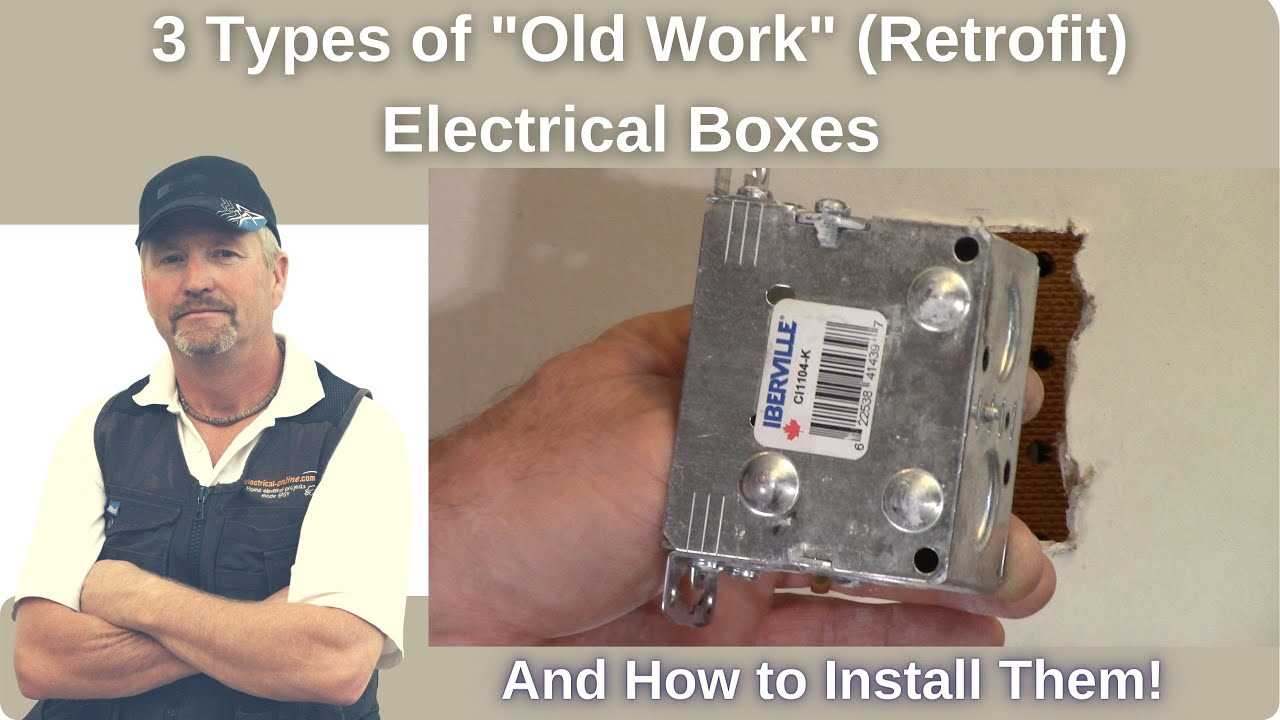
Carefully connect the electrical wiring to the old work electric box. Follow the manufacturer’s instructions and ensure that all connections are secure and properly insulated. Use wire nuts or other appropriate connectors to join the wires together.
7. Test the installation
After completing the wiring connections, turn the power back on and test the old work electric box. Use a voltage tester to ensure that there are no electrical issues or shorts. Check that all outlets, switches, or fixtures connected to the box are functioning properly.
8. Secure the box
Once you have confirmed that the installation is successful, secure the old work electric box in place. Use the provided screws or mounting tabs to fasten it to the wall surface. Ensure that it is tightly secured and does not move or wobble.
9. Cover the box

Finally, cover the old work electric box with a suitable wall plate or cover. This will protect the wiring and provide a finished look to the installation. Choose a cover that matches the style and design of your room.
10. Follow safety precautions
Throughout the installation and usage of old work electric boxes, always prioritize safety. Turn off the power when working with electrical components, use appropriate personal protective equipment, and follow all applicable electrical codes and regulations.
By following these installation and usage guidelines, you can ensure a successful and safe experience when working with old work electric boxes.
Step-by-Step Guide to Installing Old Work Electric Boxes
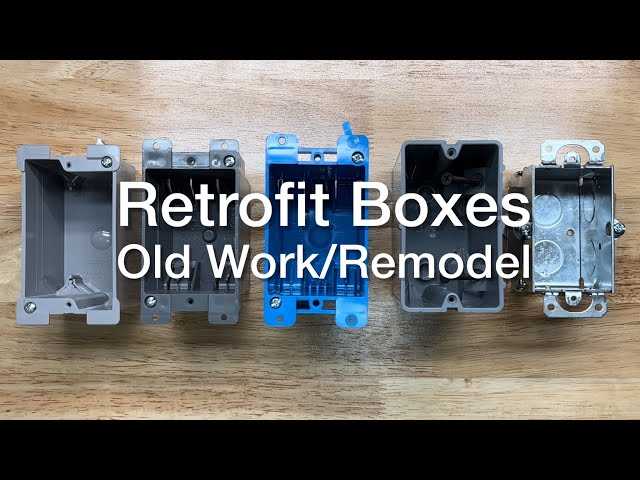
Installing old work electric boxes can be a straightforward process if you follow the right steps. Here is a step-by-step guide to help you with the installation:
- Turn off the power: Before starting any electrical work, it is crucial to turn off the power to the area where you will be installing the old work electric box. This will ensure your safety during the installation process.
- Prepare the wall: Measure and mark the location where you want to install the old work electric box. Use a stud finder to locate any studs in the wall that might interfere with the installation. If there are any studs in the way, you may need to adjust the location of the box.
- Cut the hole: Use a drywall saw or a utility knife to cut the hole for the old work electric box. Make sure to follow the marked lines and cut along the edges carefully.
- Insert the box: Take the old work electric box and insert it into the hole you just cut. Make sure it fits securely and flush against the wall. Some old work electric boxes come with adjustable wings that can be tightened to hold the box in place.
- Secure the box: Once the old work electric box is in position, use a screwdriver to tighten the adjustable wings or screws that hold the box in place. Make sure the box is secure and does not move when pressure is applied.
- Connect the electrical wires: Carefully connect the electrical wires to the old work electric box. Follow the manufacturer’s instructions for properly connecting the wires. Make sure to use wire nuts to secure the connections and prevent any loose wires.
- Test the installation: After connecting the wires, turn the power back on and test the installation. Use a voltage tester to ensure that there is power running to the box. If everything is working correctly, you can proceed to install the electrical device or fixture of your choice.
Remember to always follow safety precautions when working with electricity. If you are unsure about any steps or if you are not comfortable working with electrical wiring, it is best to consult a professional electrician.
Video:Everything You Need to Know About Old Work Electric Boxes

Hello, I am Beverly J. Sanders, the voice behind the diverse articles you come across on styves.co.za. My passion lies in exploring the nuances of home improvement and sharing tips that can help you transform your living space into a haven of comfort and style. From the latest trends in home decor to practical cleaning advice, I cover a broad spectrum of topics to cater to a wide variety of interests.
In my recent works, I have delved into the advantages of incorporating a horizontal Murphy bed into your home to save space without compromising on design and functionality. I also explored the benefits of having a free-standing electric fireplace that not only adds warmth to your home but also brings a sleek and modern design to any living space. My articles are a rich resource, offering insights into different products and home improvement strategies that can enhance the quality of your life.
I believe in the power of details; a belief that reflects in my comprehensive guides where I discuss even the overlooked aspects of home decor, such as the impact of baseboard trim in enhancing the overall look and feel of your home. I am constantly on the lookout for innovative solutions and products that can add value to your home and life.
Join me in my exploration as I continue to bring you the latest trends, tips, and insights in the home improvement world. Let’s create a home that is not just a place to live, but a reflection of style and personality.