Contents
Indian Paintbrush A Beautiful Wildflower Native to North America
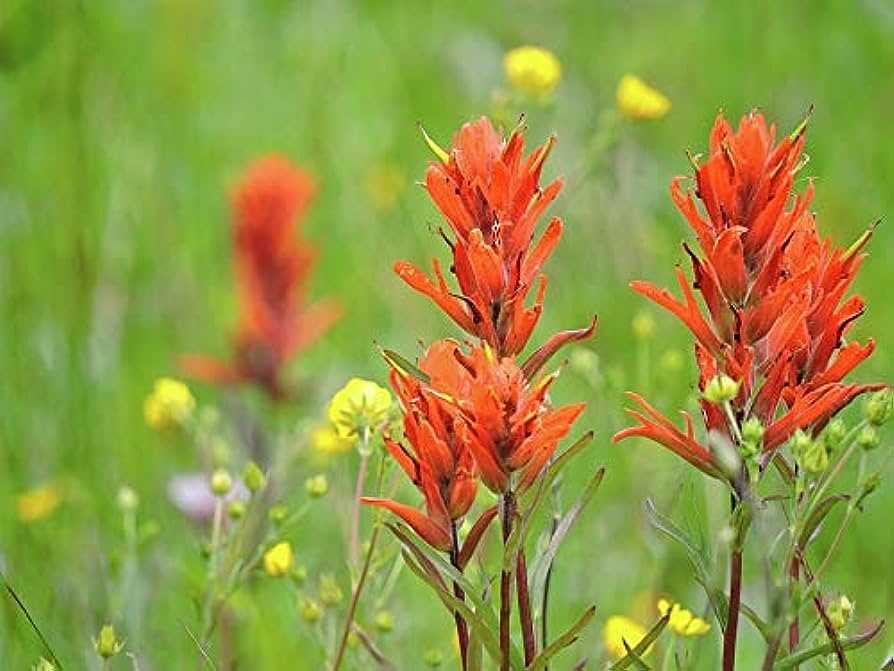
The Indian Paintbrush is a stunning wildflower that is native to North America. It is commonly found in the prairies and meadows of Texas and other parts of the United States. This vibrant flower is known for its unique appearance and bright red blooms.
The Indian Paintbrush, also known as Castilleja, is a member of the Scrophulariaceae family. It gets its name from the vibrant red color of its flowers, which resemble a paintbrush dipped in red paint. This beautiful wildflower can also be found in other colors such as orange, pink, and yellow.
The Indian Paintbrush is a favorite among gardeners and nature enthusiasts due to its striking beauty. Its bright red blooms add a pop of color to any landscape, making it a popular choice for gardens and flower beds. In addition to its aesthetic appeal, this wildflower also plays an important role in the ecosystem as it attracts pollinators such as bees and butterflies.
Native Americans have long admired the Indian Paintbrush for its beauty and have used it for various purposes. Some tribes believed that the flower had magical properties and used it in traditional ceremonies and rituals. Today, the Indian Paintbrush continues to be a symbol of beauty and grace in Native American culture.
About Indian Paintbrush

Indian Paintbrush, also known as Castilleja, is a beautiful wildflower native to North America. It is characterized by its vibrant red or orange-red flowers, which resemble a paintbrush dipped in paint. The name “Indian Paintbrush” comes from the belief that Native Americans used the plant to make paint.
This wildflower species is found in various regions of North America, including Texas and Wyoming. It thrives in open meadows, prairies, and mountain slopes. Indian Paintbrush is well-adapted to these environments and often grows alongside other wildflowers, adding a pop of color to the landscape.
The bloom time of Indian Paintbrush varies depending on the region and climate. In Texas, it typically blooms from April to June, while in Wyoming, it blooms from June to August. During the blooming period, the plant produces tall stalks with clusters of flowers at the top.
The flowers of Indian Paintbrush are unique because they do not have petals. Instead, they consist of colorful bracts surrounding tiny, inconspicuous flowers. These bracts are often red or orange-red, but they can also be yellow, pink, or purple, depending on the species.
Indian Paintbrush is an important source of nectar for pollinators such as hummingbirds and butterflies. The plant relies on these pollinators for cross-pollination and reproduction. Its bright colors and sweet nectar attract these flying insects, making it a valuable addition to any garden or natural habitat.
In addition to its beauty and ecological importance, Indian Paintbrush has cultural significance as well. It has been used in traditional Native American medicine for various purposes, including treating respiratory ailments and skin conditions.
In conclusion, Indian Paintbrush is a stunning wildflower native to North America. With its vibrant red or orange-red flowers and unique bracts, it adds a touch of beauty to the landscape. Whether you encounter it in Texas, Wyoming, or any other region, Indian Paintbrush is sure to capture your attention and admiration.
Description and Origin

The Indian Paintbrush is a beautiful wildflower native to North America. It is known for its vibrant and striking colors, resembling the bristles of a paintbrush. This unique characteristic gives the flower its name.
The Indian Paintbrush is commonly found in prairies and meadows across the United States, particularly in Texas and Wyoming. It is a perennial plant that blooms from late spring to early summer.
This wildflower is a member of the Castilleja genus and is part of the Orobanchaceae family. It is characterized by its long, tubular flowers that come in a variety of colors, including red, orange, pink, and yellow. The flowers are often found in clusters and can reach heights of up to 2 feet.
The Indian Paintbrush is not only visually appealing but also serves as an important source of nectar for various pollinators, including bees, butterflies, and hummingbirds. Its bright colors attract these pollinators, allowing them to transfer pollen from one flower to another.
Native Americans have a rich history with the Indian Paintbrush. They used the plant for various purposes, including medicinal and ceremonial uses. The flower holds cultural significance and is considered a symbol of love and beauty in many Native American tribes.
Overall, the Indian Paintbrush is a stunning wildflower that adds beauty and vibrancy to the North American landscape. Its unique colors and cultural significance make it a beloved and cherished flower.
Symbolism and Cultural Significance

The Indian Paintbrush is not only admired for its vibrant red bloom and delicate petals, but it also holds great symbolism and cultural significance in North America. This wildflower is native to various regions, including Texas, Wyoming, and other prairie areas.
In Native American cultures, the Indian Paintbrush is often associated with strength, bravery, and healing. It is believed to possess spiritual powers and is used in traditional medicinal practices. The flower’s vibrant red color is said to represent the life force and energy.
Furthermore, the Indian Paintbrush holds a special place in the folklore and legends of Native American tribes. It is often associated with love and devotion, and its presence is believed to bring good luck and fortune.
In Texas, the Indian Paintbrush is the official state flower and is highly cherished. It is commonly seen blooming in fields and along roadsides, adding a beautiful touch to the landscape.
In Wyoming, the Indian Paintbrush is a protected wildflower and is highly valued for its ecological importance. It plays a vital role in maintaining the balance of the prairie ecosystem and provides a source of nectar for pollinators.
The Indian Paintbrush is not only a beautiful wildflower but also a symbol of cultural heritage and natural beauty. Its significance in Native American cultures and its ecological importance make it a cherished and respected flower.
Growing Indian Paintbrush

Indian Paintbrush is a beautiful wildflower native to North America. It is known for its vibrant red flowers that resemble a paintbrush, hence the name. This flower is commonly found in the prairie regions of Texas and Wyoming.
If you are interested in growing Indian Paintbrush in your garden, here are some tips to help you get started:
- Choose the right location: Indian Paintbrush prefers full sun and well-drained soil. Make sure to select a spot in your garden that receives at least 6 hours of direct sunlight each day.
- Prepare the soil: Before planting, it is important to prepare the soil. Indian Paintbrush prefers sandy or loamy soil. You can improve the soil’s drainage by adding organic matter such as compost or peat moss.
- Sow the seeds: Indian Paintbrush seeds can be sown directly in the garden in the early spring or fall. Scatter the seeds on the prepared soil and lightly press them into the ground. Keep the soil moist until the seeds germinate.
- Watering: Once the seeds have germinated, water the plants regularly. Indian Paintbrush prefers moist soil but avoid overwatering as it can cause root rot.
- Maintenance: Indian Paintbrush is a low-maintenance plant. However, you may need to remove weeds that compete for nutrients and water. Mulching around the plants can help suppress weed growth.
- Enjoy the bloom: Indian Paintbrush typically blooms in late spring or early summer. The flowers attract pollinators such as bees and butterflies, making it a great addition to any garden.
By following these tips, you can successfully grow Indian Paintbrush in your garden and enjoy its vibrant red blooms. Happy gardening!
Climate and Soil Requirements

The Indian Paintbrush is a vibrant wildflower native to North America, commonly found in prairies and open fields. It is known for its striking red flowers, which bloom from late spring to early summer. This beautiful flower can be found in various states, including Wyoming and Texas.
Climate plays a crucial role in the successful growth of Indian Paintbrush. It prefers regions with a temperate climate, characterized by moderate rainfall and mild temperatures. The flower thrives in areas where the average annual temperature ranges from 50°F to 70°F (10°C to 21°C).
In terms of soil requirements, the Indian Paintbrush prefers well-drained soils. It can tolerate a wide range of soil types, including sandy, loamy, and clay soils. However, the soil should be rich in organic matter and have a pH level between 6.0 and 7.5 for optimal growth.
Additionally, this wildflower has a symbiotic relationship with certain species of fungi. These fungi form a connection with the roots of the Indian Paintbrush, aiding in nutrient absorption. Therefore, it is important to ensure that the soil is conducive to the growth of these beneficial fungi.
Overall, the Indian Paintbrush is a hardy wildflower that can adapt to different climates and soil conditions. With the right environmental factors in place, this beautiful flower can thrive and add a touch of vibrant color to the landscape.
Preferred Growing Conditions

The Indian paintbrush is a beautiful wildflower native to North America. It is known for its vibrant red flowers and can be found in various regions, including Texas and Wyoming.
When it comes to growing Indian paintbrush, there are certain conditions that are preferred for optimal growth and blooming. Here are some key factors to consider:
- Climate: Indian paintbrush thrives in regions with a temperate climate. It prefers areas with mild winters and moderate summer temperatures.
- Soil: This wildflower prefers well-drained soil that is slightly acidic. It can tolerate a wide range of soil types, including sandy and loamy soils.
- Sunlight: Indian paintbrush requires full sunlight to thrive. It needs at least 6 hours of direct sunlight each day.
- Water: While Indian paintbrush is relatively drought-tolerant, it still requires regular watering, especially during dry periods. However, it is important to avoid overwatering, as it can lead to root rot.
- Companion Plants: Indian paintbrush often grows alongside other wildflowers and grasses. Some common companion plants include bluebonnets, lupines, and sagebrush.
By providing these preferred growing conditions, you can create an ideal environment for Indian paintbrush to thrive and showcase its beautiful red blooms. Whether you’re in Texas or Wyoming, this native wildflower can add a touch of natural beauty to any garden or landscape.
Soil Preparation and Planting

Before planting Indian Paintbrush, it is important to prepare the soil to ensure optimal growth and bloom. Here are some steps to follow:
- Choose the right location: Indian Paintbrush is native to North America and can be found in many regions, including Wyoming. It thrives in open prairies and meadows, so choose a sunny spot with well-draining soil.
- Clear the area: Remove any weeds or grass from the planting area to reduce competition for nutrients and water.
- Loosen the soil: Use a garden fork or tiller to loosen the soil to a depth of about 6 inches. This will help the roots penetrate the soil easily.
- Add organic matter: Mix in some compost or well-rotted manure to improve the soil’s fertility and drainage. This will provide the necessary nutrients for the Indian Paintbrush to thrive.
- Planting: Scatter the Indian Paintbrush seeds on the prepared soil and lightly press them into the ground. The seeds are tiny, so avoid burying them too deep. Leave some space between the seeds to allow for growth.
- Watering: After planting, water the area gently to settle the seeds into the soil. Keep the soil moist but not waterlogged throughout the germination period.
Note: Indian Paintbrush is a hemiparasitic plant, meaning it obtains some of its nutrients from nearby grasses or other host plants. If you are planting Indian Paintbrush in a garden bed, you may want to consider planting it near compatible host plants.
Caring for Indian Paintbrush

Indian Paintbrush is a beautiful wildflower native to North America. It can be found in various regions, including the prairies of Wyoming and Texas. The flower gets its name from its unique appearance, resembling a paintbrush dipped in red paint.
If you want to care for Indian Paintbrush in your garden, here are some tips to keep in mind:
- Location: Indian Paintbrush prefers full sun to partial shade. Make sure to plant it in an area that receives at least six hours of direct sunlight per day.
- Soil: The flower thrives in well-draining soil. If your soil is heavy or clay-like, consider amending it with organic matter to improve drainage.
- Watering: Indian Paintbrush is drought-tolerant once established. Water it regularly during the first few weeks after planting to help the roots establish. Afterward, only water when the soil feels dry to the touch.
- Fertilizer: Avoid using high-nitrogen fertilizers on Indian Paintbrush, as they can promote excessive foliage growth at the expense of flower production. Instead, use a balanced fertilizer or compost in the spring before the blooming season.
- Pruning: Indian Paintbrush does not require much pruning. However, you can remove spent flowers to encourage additional blooms and prevent self-seeding.
- Propagation: Indian Paintbrush can be propagated by seed or division. Collect seeds from mature plants in the fall and sow them in the spring. To divide the plant, carefully dig up the clump and separate it into smaller sections, ensuring each section has roots attached.
By following these care tips, you can enjoy the beauty of Indian Paintbrush in your garden and help support the native wildflower populations.
Watering and Fertilizing

Indian Paintbrush is a prairie wildflower native to North America. It is known for its vibrant red blooms and can be found in various regions, including Texas and Wyoming. To ensure the health and beauty of your Indian Paintbrush, proper watering and fertilizing techniques are essential.
Watering:
- Indian Paintbrush is a drought-tolerant wildflower and does not require frequent watering.
- Water your Indian Paintbrush sparingly, only when the soil is dry to the touch.
- Overwatering can lead to root rot and other diseases, so it is important to avoid excessive moisture.
- When watering, aim to provide a deep soak rather than light sprinkling. This will encourage the roots to grow deeper into the soil.
Fertilizing:
- Indian Paintbrush is a low-maintenance wildflower that generally does not require fertilization.
- If your soil is poor in nutrients, you can apply a balanced slow-release fertilizer in early spring.
- Avoid using high-nitrogen fertilizers, as they can promote excessive foliage growth at the expense of flower production.
- It is important to follow the instructions on the fertilizer package and not exceed the recommended dosage.
By following these watering and fertilizing guidelines, you can help your Indian Paintbrush thrive and enjoy its beautiful red flowers throughout the blooming season.
Proper Watering Techniques

Watering is an important aspect of caring for Indian Paintbrush, a beautiful wildflower native to North America. Proper watering techniques can help ensure that your Indian Paintbrush blooms and thrives. Here are some tips to help you water your Indian Paintbrush effectively:
- Watering Frequency: Indian Paintbrush requires regular watering, especially during dry periods. It is important to keep the soil consistently moist, but not waterlogged. Aim to water your Indian Paintbrush once or twice a week, depending on the weather conditions.
- Watering Method: Water your Indian Paintbrush at the base of the plant, near the roots. Avoid overhead watering, as this can lead to the development of fungal diseases. Use a watering can or a drip irrigation system to deliver water directly to the roots.
- Soil Moisture: Check the moisture level of the soil before watering. Stick your finger about an inch into the soil. If it feels dry at that depth, it’s time to water. If it feels moist, wait a day or two before watering again.
- Watering Amount: Indian Paintbrush prefers a moderate amount of water. Aim to provide about 1 inch of water per week. This will help the roots establish and encourage healthy growth.
- Watering Time: Water your Indian Paintbrush in the morning or early evening. This allows the plant to absorb the water before the heat of the day evaporates it. Avoid watering during the hottest part of the day, as this can cause stress to the plant.
Following these proper watering techniques will help ensure that your Indian Paintbrush, with its vibrant red flowers, remains healthy and blooms beautifully. Remember to monitor the moisture level of the soil and adjust your watering schedule accordingly.
Video:Indian Paintbrush A Beautiful Wildflower Native to North America
Turning Old Nursery into a 7-ACRE NATIVE "INSECT" MEADOW — Ep. 077
Why Indian paintbrush turned yellow/white |Daphne Richards

Hello, I am Beverly J. Sanders, the voice behind the diverse articles you come across on styves.co.za. My passion lies in exploring the nuances of home improvement and sharing tips that can help you transform your living space into a haven of comfort and style. From the latest trends in home decor to practical cleaning advice, I cover a broad spectrum of topics to cater to a wide variety of interests.
In my recent works, I have delved into the advantages of incorporating a horizontal Murphy bed into your home to save space without compromising on design and functionality. I also explored the benefits of having a free-standing electric fireplace that not only adds warmth to your home but also brings a sleek and modern design to any living space. My articles are a rich resource, offering insights into different products and home improvement strategies that can enhance the quality of your life.
I believe in the power of details; a belief that reflects in my comprehensive guides where I discuss even the overlooked aspects of home decor, such as the impact of baseboard trim in enhancing the overall look and feel of your home. I am constantly on the lookout for innovative solutions and products that can add value to your home and life.
Join me in my exploration as I continue to bring you the latest trends, tips, and insights in the home improvement world. Let’s create a home that is not just a place to live, but a reflection of style and personality.