Contents
Mallard Drake The Ultimate Guide to Identifying and Understanding This Popular Duck Species
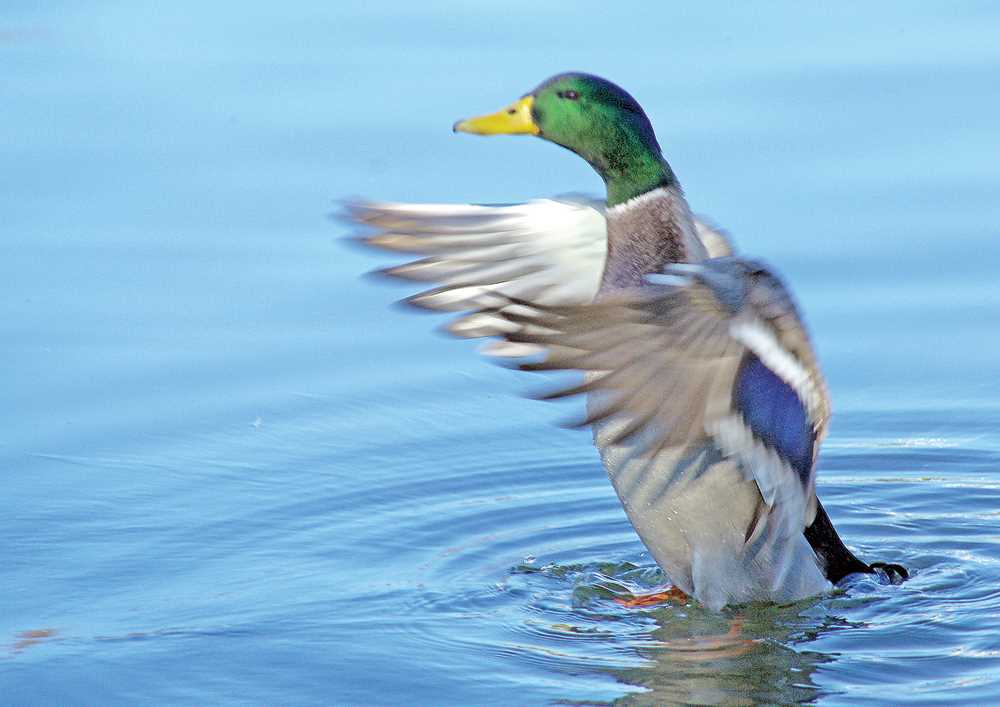
The Mallard Drake, known for its vibrant plumage and distinctive quack, is one of the most recognizable and widespread duck species in the world. Found in ponds, lakes, and wetlands across North America, Europe, and Asia, this male mallard is a common sight for birdwatchers and nature enthusiasts.
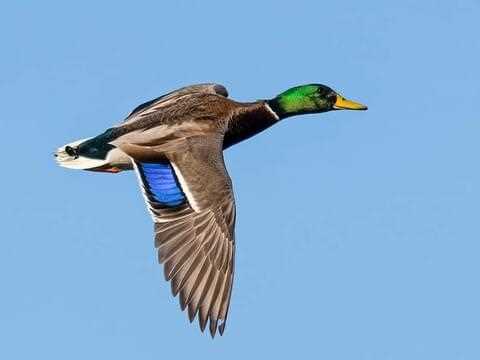
The mallard drake is easily distinguished by its striking appearance. The male mallard sports a glossy green head and neck, a bright yellow bill, and a white collar around its neck. Its chest and sides are a beautiful chestnut brown, while its back and tail feathers are a rich, iridescent dark green. This combination of colors makes the mallard drake a truly stunning bird.
One of the mallard drake’s most remarkable features is its ability to adapt to various environments. It is equally comfortable in both freshwater and saltwater habitats, and can be found in urban parks, agricultural fields, and even backyard ponds. This adaptability has allowed the mallard drake to thrive in a wide range of habitats and establish itself as a successful and resilient species.
The mallard drake’s behavior is also fascinating to observe. During the breeding season, male mallards engage in impressive displays to attract females. They perform elaborate courtship rituals, including head-bobbing, bill-dipping, and tail-wagging, to impress potential mates. Once a female is attracted, the male mallard will fiercely defend his chosen territory and mate from rival males.
In conclusion, the mallard drake is a captivating bird that stands out with its vibrant plumage and adaptable nature. Its presence in diverse habitats and its intriguing breeding behavior make it a popular subject for bird enthusiasts and researchers alike. Understanding and appreciating this remarkable species can provide valuable insights into the complex dynamics of the natural world.
Mallard Drake: The Ultimate Guide
The Mallard Drake, also known as the male Mallard, is a common species of duck found in ponds, lakes, and other bodies of water. With its vibrant feathers and distinct features, the Mallard Drake is easily recognizable and a favorite among birdwatchers and nature enthusiasts.
The Mallard Drake is characterized by its colorful plumage, which is a combination of iridescent green on its head and neck, a white ring around its neck, and a chestnut-brown breast. Its wings are grayish with black and white stripes, and its tail feathers are long and pointed.
One of the most striking features of the Mallard Drake is its bright yellow bill, which is narrow and slightly upturned. This bill is used for foraging in the water, where the Mallard Drake feeds on aquatic plants, insects, and small fish.
The Mallard Drake is known for its strong flying abilities. It can reach speeds of up to 55 miles per hour and can fly long distances during migration. Despite its impressive flying skills, the Mallard Drake spends most of its time on the water, where it is a skilled swimmer and diver.
During the breeding season, the Mallard Drake attracts females with an elaborate courtship display. This display includes head bobbing, wing flapping, and vocalizations. Once a female is attracted, the pair will mate and the female will build a nest near the water, where she will lay her eggs.
The Mallard Drake is a social bird and can often be found in large groups, known as flocks, especially during the winter months. These flocks provide protection and companionship, and also help the Mallard Drake find food.
In conclusion, the Mallard Drake is a beautiful and fascinating bird. Its vibrant plumage, impressive flying abilities, and social nature make it a popular species among birdwatchers. Whether you spot a Mallard Drake in a pond or in flight, take a moment to appreciate its beauty and observe its behavior in its natural habitat.
History and Origins
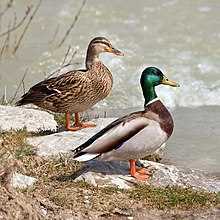
The Mallard Drake, also known as the male Mallard, is a bird species that belongs to the Anatidae family. It is a waterfowl species that is native to North America, Europe, Asia, and Africa. The Mallard Drake is known for its vibrant and colorful feathers, making it a popular sight in ponds and lakes.
The Mallard Drake has a long history and has been present in various cultures and societies throughout the ages. It is believed to have originated in Europe and Asia, where it was first domesticated for its meat and feathers. Over time, the Mallard Drake spread to other parts of the world, thanks to its adaptability to different environments.
One of the reasons why the Mallard Drake is so popular is its ability to thrive in various habitats. It can be found in freshwater ponds, lakes, rivers, and even urban parks. Its adaptability and resilience have allowed it to survive in different climates and ecosystems.
In addition to its physical characteristics, the Mallard Drake is also known for its behavior. It is a social bird that typically forms small groups or pairs during the breeding season. The male Mallard is known for its distinctive call, which is a series of low quacks.
The Mallard Drake is also a highly migratory bird, with some populations traveling long distances during the winter months. This behavior allows the Mallard Drake to find suitable habitats and food sources throughout the year.
Overall, the Mallard Drake is a fascinating bird species that has a rich history and is widely recognized for its beauty and adaptability. Its presence in various parts of the world has made it a beloved sight in ponds and lakes, and its behavior and migratory patterns continue to intrigue bird enthusiasts and researchers alike.
Physical Characteristics
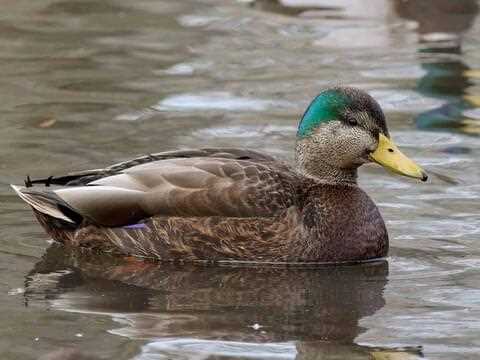
The Mallard Drake is a male mallard duck, commonly found in ponds and other bodies of water. It is known for its vibrant plumage and distinct physical features.
The most notable characteristic of the Mallard Drake is its colorful feathers. The male Mallard has a glossy green head, which is complemented by a white ring around its neck. Its breast is a rich chestnut color, while the rest of its body is a mix of gray and brown. The Mallard Drake also has a yellow bill and orange legs.
One of the distinguishing features of the Mallard Drake is its long, narrow tail. This tail is made up of stiff, pointed feathers that help the bird maintain balance while swimming. The feathers of the Mallard Drake are also waterproof, which allows it to stay dry and buoyant in the water.
The Mallard Drake is a medium-sized bird, measuring about 20-26 inches in length and weighing around 1.5-3 pounds. Its wingspan is typically between 32-39 inches.
During the breeding season, the male Mallard displays its vibrant plumage to attract a mate. It raises its head high, puffs out its chest, and flaps its wings to show off its colorful feathers. This courtship display is known as “head-throwing” and is a common sight during the spring.
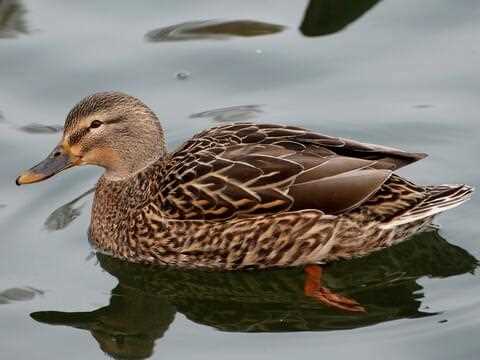
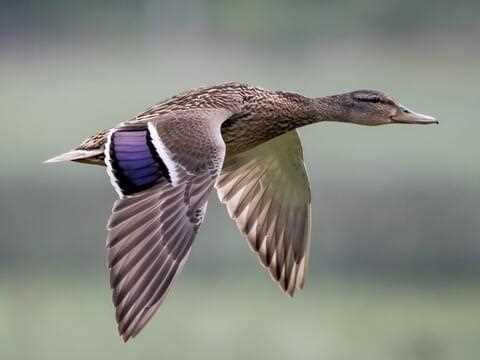
In contrast to the Mallard Drake, the female Mallard, known as a hen, has more muted plumage. She has a mottled brown body, with a speckled appearance that helps her blend into her surroundings for protection. This difference in plumage between the male and female Mallard is a common characteristic among many bird species.
Overall, the physical characteristics of the Mallard Drake make it a striking and easily recognizable bird. Its vibrant plumage, long tail, and distinct features set it apart from other duck species, making it a popular subject for birdwatchers and nature enthusiasts.
Behavior and Habitat
The mallard is a species of duck that is known for its vibrant feathers and distinctive plumage. It is commonly found near bodies of water, such as ponds and lakes, where it can often be seen swimming and diving for food.
The male mallard, also known as a drake, is easily recognizable by its bright green head, yellow bill, and brownish-gray body. It is a social bird and can often be found in groups, known as flocks, especially during the breeding season.
One of the most interesting behaviors of the mallard is its courtship display. The male will often bob its head and flap its wings while making a variety of calls to attract a female. Once a pair has formed, they will build a nest together and the female will lay her eggs. The male will then stand guard to protect the nest and the young ducklings once they hatch.
Mallards are highly adaptable and can be found in a wide range of habitats, including urban areas. They are able to tolerate a variety of water conditions and can often be seen in both fresh and saltwater environments.
In addition to their swimming and diving abilities, mallards are also capable of flying long distances. They have strong wings that allow them to migrate to different areas in search of food and suitable nesting sites.
Overall, mallards are fascinating birds that are well-adapted to their habitat. Whether swimming in a pond or flying through the air, these ducks are a common sight in many parts of the world.
Identifying a Mallard Drake
A mallard drake is a common species of duck that can be found in various habitats such as ponds, lakes, and marshes. It is known for its beautiful plumage and distinct features.
Feathers: The feathers of a mallard drake are mainly brown with hints of green and blue on the head and wings. The body feathers have a mottled pattern, which helps them blend in with their surroundings.
Water: Mallard drakes are commonly found in or near water, as they are excellent swimmers. They can often be seen floating gracefully on ponds or swimming in a smooth, effortless manner.
Pond: Mallard drakes are often found in ponds, where they feed on aquatic plants, insects, and small fish. They are adaptable and can also be found in other bodies of water, such as lakes and rivers.
Mallard: The mallard is a species of duck that is native to North America, Europe, and Asia. It is one of the most recognizable and widespread duck species in the world.
Bird: Mallard drakes are members of the bird family Anatidae, which also includes ducks, geese, and swans. They are medium-sized birds, with males being larger than females.
Plumage: The plumage of a mallard drake is highly variable, depending on the age and sex of the bird. Adult males have a glossy green head, a white collar, a chestnut breast, and grayish-brown body feathers. Females have a mottled brown plumage, which provides camouflage while nesting.
Drake: The term “drake” refers to a male duck. Mallard drakes can be identified by their bright green head, yellow bill, and reddish-brown chest. They also have a curled black tail feather, called a “drake feather,” which is a distinctive feature.
Duck: Mallard drakes are a type of duck, which is a waterfowl species. Ducks are characterized by their broad bills, webbed feet, and ability to swim. They are highly adaptable and can be found in a wide range of habitats.
In conclusion, identifying a mallard drake involves looking for specific features such as its feathers, water habitat, and distinctive plumage. By observing these characteristics, you can easily identify and understand this popular duck species.
Distinctive Features

The Mallard Drake is a common sight in ponds and lakes, easily recognizable by its distinctive features. Here are some key characteristics that set it apart from other duck species:
- Feathers: The drake’s feathers are vibrant and colorful, with a mix of green, blue, and black hues. These feathers are highly reflective and can appear iridescent in sunlight.
- Plumage: The male Mallard has a glossy green head and neck, with a white ring around its neck. Its chest is chestnut-brown, and its back is grayish-brown. The wings have a blue patch, and the tail is curled.
- Bird Size: Mallard Drakes are medium-sized ducks, measuring around 50-62 centimeters in length and weighing approximately 800-1500 grams.
- Male vs. Female: The drake’s plumage is more vibrant and colorful compared to the female Mallard. Females have a mottled brown coloration, which provides camouflage during nesting.
The Mallard Drake’s distinctive features make it easy to spot and identify in its natural habitat. Its striking appearance and unique plumage make it a favorite subject for birdwatchers and nature enthusiasts.
Plumage and Coloration

The feathers of the Mallard drake, the male of the species, are known for their vibrant colors and striking patterns. These features play a crucial role in attracting mates and establishing dominance.
The head of the male Mallard is glossy green, with a white ring around its neck. Its breast is chestnut brown, while the rest of its body is gray. The wings are gray with blue patches, and the tail is long and pointed. These unique colorations make the Mallard drake easily distinguishable from other ducks.
During the breeding season, the male Mallard’s plumage becomes even more vibrant. The chestnut brown color on its breast deepens, and its head develops a metallic green sheen. The blue patches on its wings become more pronounced, and its overall appearance becomes more colorful and striking.
In contrast, the female Mallard, known as the hen, has more subdued plumage. Its feathers are primarily brown, with streaks of buff and white. This coloration helps the female blend into its surroundings, providing camouflage and protection while nesting.
It is important to note that the Mallard’s plumage and coloration can vary slightly among individuals. Factors such as age, diet, and genetics can influence the intensity and pattern of their feathers.
The Mallard’s vibrant plumage is not only aesthetically pleasing but also serves as a signal of health and vitality. Males with brighter and more colorful feathers are often perceived as more attractive by females. This is because the quality of the male’s plumage reflects its ability to find food, avoid predators, and maintain good overall health.
The Mallard’s plumage plays a significant role in courtship displays. Males will often flaunt their colorful feathers and perform elaborate rituals to attract females. These displays can include head bobbing, wing flapping, and vocalizations.
In conclusion, the plumage and coloration of the Mallard drake are essential characteristics that help identify and understand this popular duck species. Its vibrant feathers are not only visually stunning but also play a crucial role in mate attraction and species survival.
Video:Mallard Drake The Ultimate Guide to Identifying and Understanding This Popular Duck Species
Duck Identification: Mallards

Hello, I am Beverly J. Sanders, the voice behind the diverse articles you come across on styves.co.za. My passion lies in exploring the nuances of home improvement and sharing tips that can help you transform your living space into a haven of comfort and style. From the latest trends in home decor to practical cleaning advice, I cover a broad spectrum of topics to cater to a wide variety of interests.
In my recent works, I have delved into the advantages of incorporating a horizontal Murphy bed into your home to save space without compromising on design and functionality. I also explored the benefits of having a free-standing electric fireplace that not only adds warmth to your home but also brings a sleek and modern design to any living space. My articles are a rich resource, offering insights into different products and home improvement strategies that can enhance the quality of your life.
I believe in the power of details; a belief that reflects in my comprehensive guides where I discuss even the overlooked aspects of home decor, such as the impact of baseboard trim in enhancing the overall look and feel of your home. I am constantly on the lookout for innovative solutions and products that can add value to your home and life.
Join me in my exploration as I continue to bring you the latest trends, tips, and insights in the home improvement world. Let’s create a home that is not just a place to live, but a reflection of style and personality.