Pothos vs Philodendron A Complete Comparison Guide
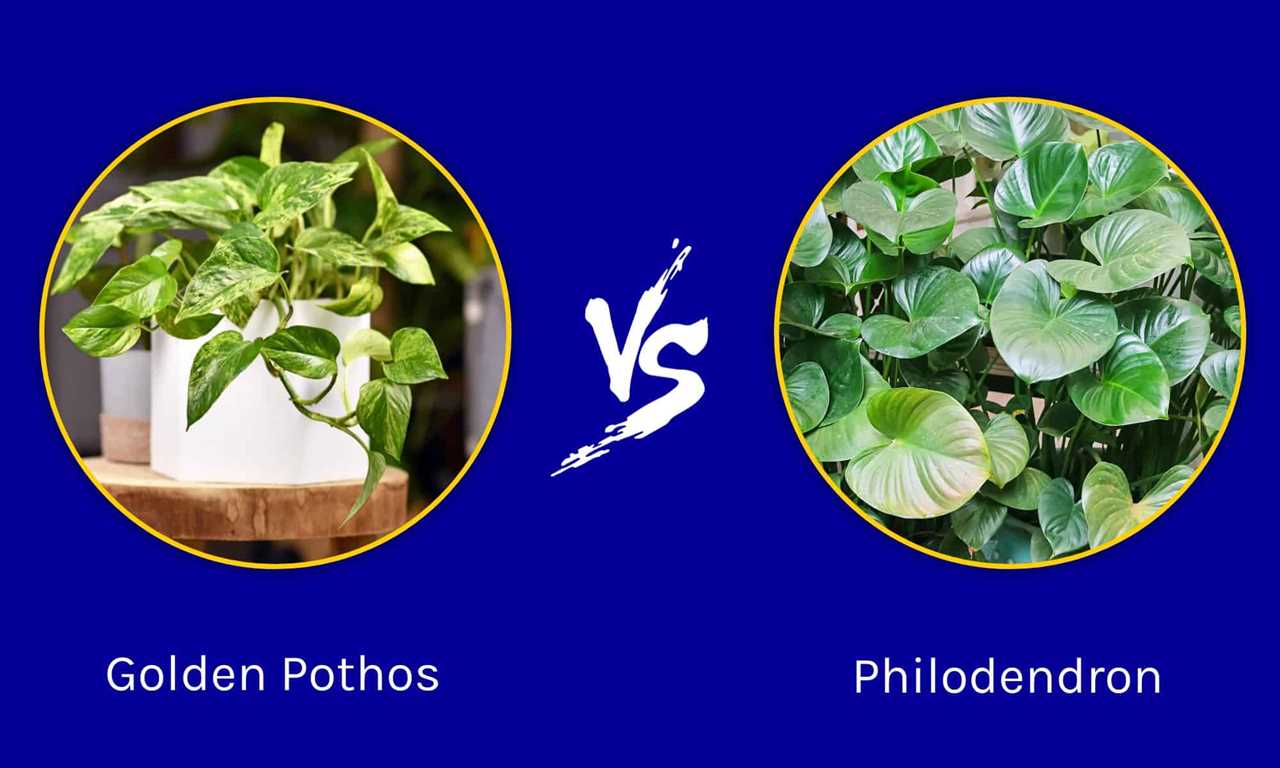
When it comes to indoor plants, both pothos and philodendron are popular choices due to their easy growth and low maintenance requirements. These houseplants are loved for their lush green vines and beautiful leaves, making them a great addition to any home or office.
While pothos and philodendron may look similar at first glance, there are some key differences between the two. Understanding these differences can help you choose the right plant for your space and ensure proper care.
Pothos, also known as Devil’s Ivy, is a fast-growing vine with heart-shaped leaves. It is known for its ability to thrive in low light conditions, making it an ideal choice for those with less sunlight in their homes. Pothos plants are also known for their air-purifying qualities, helping to improve the air quality in your space.
On the other hand, philodendron plants have larger, more elongated leaves compared to pothos. They are also known for their climbing abilities, often requiring support or a trellis to grow properly. Philodendrons are more tolerant of bright, indirect light and can handle slightly drier conditions compared to pothos.
When it comes to care, both pothos and philodendron are relatively low maintenance. They prefer well-draining soil and should be watered when the top inch of soil feels dry. Pothos plants can tolerate a bit of neglect and can even bounce back from underwatering, while philodendrons prefer slightly more consistent watering.
In conclusion, while both pothos and philodendron are beautiful houseplants with similar growth habits, there are some differences to consider. Pothos is a great choice for low light conditions and has air-purifying qualities, while philodendron can handle brighter light and climbing. Ultimately, the choice between the two will depend on your specific lighting conditions and care preferences.
Overview
Philodendron and pothos are both popular vine houseplants that are commonly grown indoors. They are known for their lush green leaves and easy growth.
Philodendron is a genus of flowering plants in the family Araceae. It is native to the tropical regions of the Americas. There are many different species of philodendron, but the most commonly grown as houseplants include the heartleaf philodendron (Philodendron hederaceum) and the split-leaf philodendron (Philodendron bipinnatifidum).
Pothos, on the other hand, is a common name for several different species of the genus Epipremnum. It is also native to the tropical regions of the Americas. The most commonly grown pothos variety is the golden pothos (Epipremnum aureum).
Both philodendron and pothos are easy to care for and can tolerate a wide range of indoor conditions. They are both known for their vining growth habit, making them ideal for hanging baskets or trailing down from shelves or bookcases.
When it comes to care, both philodendron and pothos prefer bright, indirect light but can also tolerate lower light conditions. They should be watered when the top inch of soil feels dry, and the excess water should be allowed to drain out. They can also benefit from regular misting to increase humidity.
Philodendron and pothos are also both known for their air-purifying qualities, making them great choices for improving indoor air quality.
| Philodendron | Pothos |
|---|---|
| Genus: Philodendron | Genus: Epipremnum |
| Native to: Tropical regions of the Americas | Native to: Tropical regions of the Americas |
| Commonly grown species: Heartleaf philodendron, Split-leaf philodendron | Commonly grown species: Golden pothos |
| Care: Bright, indirect light; water when top inch of soil is dry; regular misting; air-purifying | Care: Bright, indirect light; water when top inch of soil is dry; regular misting; air-purifying |
In conclusion, both philodendron and pothos are beautiful and easy-to-care-for houseplants that can add a touch of greenery to any indoor space.
Key Differences
- Comparison: Pothos and philodendron are both popular houseplants that are suitable for indoor cultivation.
- Philodendron: Philodendron is a type of vine that belongs to the Araceae family. It has large, glossy leaves and is known for its ability to adapt to different light conditions. Philodendron plants require moderate care and are relatively easy to grow.
- Pothos: Pothos, also known as Devil’s Ivy, is another vine-like houseplant that belongs to the Araceae family. It has heart-shaped leaves that come in various shades of green and can have variegations. Pothos plants are known for their ability to tolerate low light conditions and are considered one of the easiest houseplants to care for.
- Leaves: While both pothos and philodendron have similar vine-like growth habits, their leaves have some differences. Pothos leaves are typically smaller and have a more elongated shape, while philodendron leaves are larger and have a more rounded shape.
- Care: Pothos plants are more forgiving when it comes to care. They can tolerate neglect, low light, and occasional dryness. Philodendron plants, on the other hand, require slightly more attention and prefer bright, indirect light and consistently moist soil.
Similarities
The leaves of both philodendron and pothos are similar in appearance, making it difficult to differentiate between the two plants at first glance. Both plants are popular choices for indoor houseplants due to their attractive foliage and easy care requirements.
Both philodendron and pothos are vining plants that can be trained to grow on supports or allowed to trail down from hanging baskets. This makes them versatile choices for adding greenery to any space.
In terms of growth, both philodendron and pothos are relatively fast-growing plants. They can quickly fill up empty spaces and create a lush and green look in any room.
Both plants are also known for their air-purifying abilities. They can help to improve indoor air quality by removing toxins and pollutants from the environment.
Overall, philodendron and pothos have many similarities, from their leaf appearance to their growth habits and air-purifying qualities. They are both excellent choices for beginner plant enthusiasts or anyone looking to add a touch of green to their indoor space.
Appearance
When it comes to growth and appearance, both pothos and philodendron are popular choices as houseplants. However, there are some key differences between the two.
- Leaves: One of the main differences is the shape and size of their leaves. Pothos has heart-shaped leaves with a glossy texture, while philodendron has broader leaves that are usually more elongated.
- Comparison: In terms of color, pothos leaves can vary from green to yellow or even variegated with white or golden patterns. On the other hand, philodendron leaves are typically darker green, although some varieties may have red or purple undertones.
- Indoor: Both pothos and philodendron are excellent choices for indoor plants, as they can thrive in low light conditions. However, pothos is generally more tolerant of neglect and can survive in lower light levels compared to philodendron.
- Vine: Another notable difference is their growth habit. Pothos is a fast-growing vine that can trail or climb, making it a popular choice for hanging baskets or training on a trellis. Philodendron, on the other hand, tends to have a more upright growth habit, with some varieties growing tall and bushy.
In summary, while both pothos and philodendron are attractive indoor plants, they have distinct differences in terms of leaf shape, color, growth habit, and light requirements.
Leaf Shape
When it comes to leaf shape, there are some noticeable differences between pothos and philodendron. While both plants belong to the same family, Araceae, their leaves have distinct features that set them apart.
Pothos:
- Pothos leaves are heart-shaped or arrowhead-shaped, with a pointed tip and a rounded base.
- The leaves of pothos are typically smaller in size compared to philodendron.
- Some pothos varieties, like the Marble Queen and Neon Pothos, have variegated leaves with patches of white, yellow, or light green.
- Pothos leaves grow alternately along the vine, creating a dense and lush foliage.
Philodendron:
- Philodendron leaves are usually larger and broader compared to pothos.
- The shape of philodendron leaves can vary depending on the species or variety, but they are typically more elongated and have a distinct lobed pattern.
- Some philodendron varieties, such as the Split-leaf Philodendron (Monstera deliciosa), have leaves with deep, irregular splits or holes.
- Philodendron leaves grow in a rosette pattern, with new leaves emerging from the center of the plant.
In summary, while both pothos and philodendron are popular houseplants known for their vining growth habit, their leaf shapes differ. Pothos has heart-shaped or arrowhead-shaped leaves that grow alternately along the vine, while philodendron has larger, broader leaves with a distinct lobed pattern and a rosette growth pattern. Understanding these leaf shape differences can help in identifying and caring for these indoor plants.
Leaf Color
One of the main differences between Pothos and Philodendron is the color of their leaves. Both indoor plants are known for their vibrant and attractive foliage.
Pothos: Pothos plants have a variety of leaf colors, including green, yellow, and variegated combinations of green and yellow. Some popular pothos varieties with different leaf colors include Golden Pothos, Neon Pothos, and Marble Queen Pothos.
Philodendron: Philodendron plants also come in different leaf colors, but they are usually shades of green. The leaves of philodendron plants can vary in size and shape, but their color is mostly green. Some popular philodendron varieties with different leaf colors include Heartleaf Philodendron and Brasil Philodendron.
When it comes to leaf color, Pothos plants offer a wider range of options compared to Philodendron. If you are looking for a houseplant with colorful foliage, Pothos is a great choice. However, if you prefer the classic green leaves, Philodendron can be the perfect indoor vine for your home.
Growth Pattern
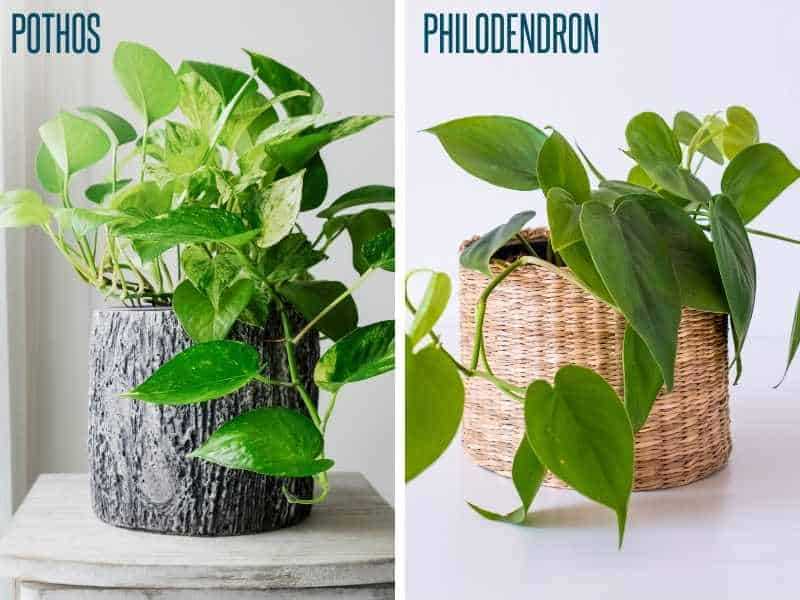
Both pothos and philodendron are vine plants that have a trailing growth pattern. They are known for their ability to climb and crawl, making them popular choices for indoor houseplants.
The growth of pothos and philodendron is similar in many ways. Both plants have long, slender stems that can grow several feet in length. These stems produce leaves along their length, creating a lush and full appearance.
One key difference between pothos and philodendron is the shape of their leaves. Pothos leaves have a heart-shaped appearance, while philodendron leaves are typically more elongated and pointed.
Pothos plants are known for their fast growth rate, often producing new leaves and vines within a matter of weeks. They are also highly adaptable and can thrive in a variety of lighting conditions, from low light to bright indirect light.
Philodendron plants, on the other hand, have a slightly slower growth rate compared to pothos. They prefer bright indirect light and may not grow as quickly in lower light conditions. However, with proper care and the right conditions, philodendron plants can still grow into beautiful and full houseplants.
- Pothos has a faster growth rate compared to philodendron.
- Pothos can thrive in a variety of lighting conditions, while philodendron prefers bright indirect light.
- Both plants have trailing vines and produce leaves along their stems.
In conclusion, while pothos and philodendron have similar growth patterns, there are some differences in their growth rates and lighting preferences. Whether you choose pothos or philodendron, both plants can make beautiful additions to your indoor plant collection.
Care and Maintenance
Both Pothos and Philodendron are popular indoor vines that are easy to care for and can thrive in various conditions. However, there are some differences in their care requirements and growth habits.
Light:
- Pothos: Pothos can tolerate a wide range of light conditions, from low to bright indirect light. However, it prefers bright, indirect light for optimal growth.
- Philodendron: Philodendron also prefers bright, indirect light but can tolerate lower light conditions better than Pothos.
Water:
- Pothos: Pothos prefers to dry out between waterings and does not like to sit in soggy soil. Water it thoroughly and allow the top inch of soil to dry out before watering again.
- Philodendron: Philodendron also prefers to dry out between waterings but can tolerate slightly more moisture than Pothos. Water it thoroughly and then allow the top few inches of soil to dry out before watering again.
Fertilizer:
- Pothos: Pothos is not a heavy feeder and can do well with a balanced houseplant fertilizer applied every 2-4 weeks during the growing season.
- Philodendron: Philodendron benefits from regular fertilization during the growing season. Use a balanced houseplant fertilizer and follow the instructions on the packaging.
Pruning:
- Pothos: Pothos can be pruned to control its growth and shape. Prune back any leggy or overgrown vines to encourage bushier growth.
- Philodendron: Philodendron can also be pruned to control its size and shape. Prune back any long or unruly vines to maintain a compact and tidy appearance.
Propagation:
- Pothos: Pothos is easily propagated through stem cuttings. Simply cut a healthy vine below a node and place it in water or moist soil until roots develop.
- Philodendron: Philodendron can also be propagated through stem cuttings. Cut a healthy vine below a node and place it in water or moist soil until roots form.
Pests and Diseases:
- Pothos: Pothos is relatively resistant to pests and diseases. However, it can be susceptible to mealybugs and spider mites. Regularly inspect the leaves for any signs of infestation.
- Philodendron: Philodendron is also generally resistant to pests and diseases. However, it can be prone to mealybugs, scale insects, and root rot if overwatered.
Conclusion:
Both Pothos and Philodendron are low-maintenance houseplants that can add a touch of greenery to any indoor space. While they have similar care requirements, there are slight differences in their light preferences, watering needs, and growth habits. Understanding these differences can help you provide the best care for your plants and ensure their healthy growth.
Light Requirements
Light is one of the most important factors for the growth and health of a houseplant, including philodendron and pothos. Both of these plants are vine-like and are commonly grown indoors.
Philodendron: Philodendrons prefer bright, indirect light. They can tolerate lower light conditions, but they will grow slower and have smaller leaves. Direct sunlight can scorch their leaves, so it is best to place them near a window with filtered light or in a well-lit room.
Pothos: Pothos are also known as “devil’s ivy” because of their ability to thrive in low light conditions. They can tolerate a wide range of light levels, including low light and bright, indirect light. Pothos can even survive in fluorescent light, making them an ideal plant for offices and other indoor spaces with artificial lighting.
In terms of light requirements, both philodendron and pothos are relatively easy to care for and can adapt to different lighting conditions. However, pothos have a slight advantage when it comes to low light situations.
| Philodendron | Pothos | |
|---|---|---|
| Light Requirements | Bright, indirect light | Low light to bright, indirect light |
Overall, both philodendron and pothos are great indoor plants that can thrive in various light conditions. Consider your specific lighting situation and choose the plant that best fits your needs and preferences.
Watering Needs
When it comes to watering, both Pothos and Philodendron have similar needs due to their shared characteristics as vining indoor plants with large leaves. However, there are some slight differences in their watering requirements that are worth noting.
- Pothos: Pothos plants prefer to have their soil slightly moist but not overly wet. It is important to allow the top inch of soil to dry out before watering again. Overwatering can lead to root rot and hinder the growth of the plant. Regularly check the soil moisture by inserting your finger into the soil to determine if it is time to water.
- Philodendron: Philodendron houseplants also prefer slightly moist soil, but they can tolerate more drying out between waterings compared to Pothos. It is recommended to allow the top 1-2 inches of soil to dry out before watering again. Philodendrons are more forgiving when it comes to underwatering, but overwatering can still be detrimental to their growth.
Both plants benefit from a well-draining soil mix that allows excess water to escape, preventing root rot. It is important to avoid letting the plants sit in standing water, as this can lead to root rot as well.
As a general rule, it is better to underwater these plants rather than overwater them. If in doubt, it is safer to wait a bit longer before watering again. Remember to take into account factors such as the humidity levels in your home, the size of the pot, and the amount of light the plants receive, as these can affect their watering needs.
Soil Preferences
Both pothos and philodendron are vine plants that have similar soil preferences. They both thrive in well-draining soil that is rich in organic matter. The soil should be slightly acidic to neutral, with a pH level between 6.0 and 7.0. This type of soil allows for optimal nutrient absorption and root growth.
Pothos and philodendron have similar leaf structures, with large, glossy leaves that can grow quite large. These leaves require a nutrient-rich soil to support their growth and maintain their health. A soil that is too compact or lacks nutrients can lead to stunted growth and yellowing of the leaves.
When it comes to indoor care, both pothos and philodendron prefer to be slightly root-bound. This means that they do not require a large pot and can thrive in a smaller container. However, it is important to repot them every 1-2 years to refresh the soil and provide more space for root growth.
Here is a comparison of the soil preferences for pothos and philodendron:
| Pothos | Philodendron |
|---|---|
|
|
Overall, both pothos and philodendron have similar soil preferences and can thrive in similar conditions. It is important to provide them with a well-draining, nutrient-rich soil to support their growth and keep them healthy.
Video:Pothos vs Philodendron A Complete Comparison Guide

Hello, I am Beverly J. Sanders, the voice behind the diverse articles you come across on styves.co.za. My passion lies in exploring the nuances of home improvement and sharing tips that can help you transform your living space into a haven of comfort and style. From the latest trends in home decor to practical cleaning advice, I cover a broad spectrum of topics to cater to a wide variety of interests.
In my recent works, I have delved into the advantages of incorporating a horizontal Murphy bed into your home to save space without compromising on design and functionality. I also explored the benefits of having a free-standing electric fireplace that not only adds warmth to your home but also brings a sleek and modern design to any living space. My articles are a rich resource, offering insights into different products and home improvement strategies that can enhance the quality of your life.
I believe in the power of details; a belief that reflects in my comprehensive guides where I discuss even the overlooked aspects of home decor, such as the impact of baseboard trim in enhancing the overall look and feel of your home. I am constantly on the lookout for innovative solutions and products that can add value to your home and life.
Join me in my exploration as I continue to bring you the latest trends, tips, and insights in the home improvement world. Let’s create a home that is not just a place to live, but a reflection of style and personality.