Contents
All You Need to Know About Brad Nails Uses Sizes and Tips
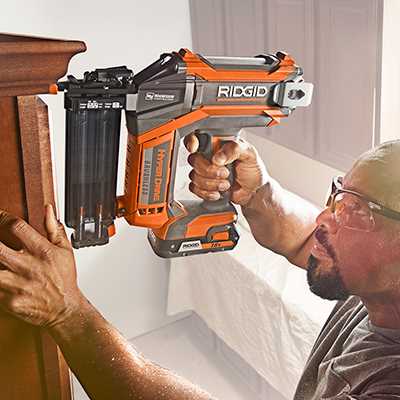
Carpentry, metal work, and construction projects often require the use of nails to secure materials together. While traditional nails and hammers are commonly used, there is also a specific type of nail that is perfect for certain applications – the brad nail.
Brad nails are thin, small nails that are designed for precision and minimal damage. They are commonly used in woodworking and building projects where a larger nail may cause splitting or visible holes in the material. Brad nails are ideal for securing delicate trim, molding, and other lightweight materials.
When it comes to choosing the right brad nail, there are a few factors to consider. The size of the nail is important, as it should be long enough to securely hold the materials together, but not too long to cause damage. The gauge of the nail refers to its thickness, with smaller gauge numbers indicating thicker nails. The gauge should be chosen based on the strength required for the specific project.
While brad nails are typically used with a pneumatic nail gun, they can also be driven into the material using a hammer. However, care must be taken to avoid damaging the material or causing the nail to bend. Brad nails can be used on various materials, including wood, metal, and even certain types of concrete, making them a versatile choice for many construction and building projects.
What are Brad Nails?

Brad nails are small, thin nails that are commonly used in construction and carpentry for fastening purposes. These nails are specifically designed for tasks that require precision and a clean finish.
Unlike traditional nails that are driven into wood or metal using a hammer, brad nails are typically inserted using a brad nailer, which is a specialized power tool. The nailer applies enough force to drive the nail into the material without causing damage or leaving a noticeable hole.
Brad nails are available in various sizes to accommodate different applications. They are often used in woodworking projects, such as attaching trim or molding, as well as in metalworking tasks where a smaller fastening solution is required.
One of the key advantages of using brad nails is their small size. This allows them to be easily concealed and minimizes the risk of splitting or damaging the material. Additionally, the thin diameter of brad nails reduces the chance of the wood or metal cracking or splitting when the nail is driven in.
Brad nails are typically made from hardened steel, ensuring their durability and strength. They have a small, rounded head that can be easily countersunk into the material, resulting in a flush and seamless finish.
In summary, brad nails are an essential tool in construction and carpentry. They provide a secure and inconspicuous fastening solution for a range of materials, including wood and metal.
Benefits of Using Brad Nails

Brad nails are small, thin nails that are commonly used in carpentry, building, and construction projects. They are made of metal and are designed for fastening wood and other materials together.
There are several benefits to using brad nails:
- Size: Brad nails are small in size, which makes them ideal for delicate and detailed work. They are less likely to split or damage the wood compared to larger nails.
- Appearance: Brad nails leave a small hole when driven into the wood, which can easily be filled and concealed. This makes them a popular choice for finishing work and projects where aesthetics are important.
- Strength: Despite their small size, brad nails provide strong and reliable fastening. They have enough holding power to securely join pieces of wood together.
- Versatility: Brad nails can be used for a wide range of applications, including trim work, paneling, and molding. They are also commonly used in furniture making and other woodworking projects.
- Ease of use: Brad nails can be easily driven into the wood using a brad nailer or a hammer. They require less force and effort compared to larger nails, making them easier to work with.
In conclusion, brad nails offer numerous advantages when it comes to fastening wood and other materials. Their small size, appearance, strength, versatility, and ease of use make them a popular choice among carpenters, builders, and DIY enthusiasts.
Common Applications of Brad Nails

Brad nails are small, thin metal fastening nails that are commonly used in carpentry, woodworking, and building construction. They are designed to be discreet and provide a secure hold without splitting the wood. Here are some common applications of brad nails:
- Trim and Molding: Brad nails are often used to attach trim and molding to walls, ceilings, and floors. Their small size allows for a clean and seamless installation, leaving minimal visible marks.
- Furniture Assembly: Brad nails are commonly used in furniture assembly to secure joints, attach panels, and reinforce structural components. They provide a strong and durable hold while maintaining the aesthetic appeal of the furniture.
- Cabinet Making: Brad nails are ideal for cabinet making, as they can be used to attach face frames, secure back panels, and install drawer slides. Their small size allows for precise placement and reduces the risk of splitting the wood.
- Door and Window Installation: Brad nails are often used to install doors and windows, securing the frames and trim in place. They provide a secure hold and can be easily concealed with putty or paint.
- Crafts and DIY Projects: Brad nails are commonly used in various crafts and DIY projects, such as picture frame assembly, small woodworking projects, and decorative accents. Their small size and discreet appearance make them perfect for these applications.
Overall, brad nails are versatile fasteners that can be used in a wide range of woodworking and construction projects. They offer a secure hold while minimizing damage to the wood, making them a popular choice among carpenters and DIY enthusiasts.
Section 2: Understanding Brad Nail Sizes

In the world of hammer-fastening, one of the most commonly used types of nails is the brad nail. These small, thin nails are commonly used in metal, building, construction, and carpentry projects. Understanding the different sizes of brad nails is essential for selecting the right nail for the job.
Brad nails come in various sizes, typically ranging from 15 gauge to 23 gauge. The gauge refers to the thickness of the nail, with a lower gauge number indicating a thicker nail. The length of the brad nail can also vary, with common lengths ranging from 3/8 inch to 2 inches.
Here is a breakdown of the most common brad nail sizes:
- 15 Gauge: These brad nails are thicker and longer, making them suitable for heavy-duty construction and carpentry projects.
- 18 Gauge: These brad nails are thinner and shorter, making them ideal for delicate woodworking and trim work.
- 23 Gauge: These brad nails are the thinnest and shortest, commonly used for delicate finishing work and attaching thin materials.
It’s important to note that the length and gauge of brad nails can vary depending on the specific manufacturer and brand. It’s always a good idea to consult the manufacturer’s specifications or guidelines for the specific project you are working on.
When selecting the right brad nail size, consider the thickness of the material you are fastening, as well as the desired level of holding power. Thicker nails provide more holding power, but may also cause splitting or damage to delicate materials. Thinner nails are less likely to cause damage, but may not provide as much holding power.
Overall, understanding the different sizes of brad nails is crucial for selecting the appropriate nail for the job at hand. Whether you’re working on heavy-duty construction or delicate woodworking, choosing the right brad nail size will ensure a successful and secure fastening.
Different Sizes of Brad Nails

Carpentry and woodworking projects often require the use of brad nails. Brad nails are thin, small nails that are used for fastening wood and other materials together. They are commonly used in construction, building, and other woodworking applications.
Brad nails come in various sizes, which are measured by their length and gauge. The length of a brad nail refers to the distance from the tip of the nail to the head, while the gauge refers to the thickness of the nail shaft. The size of the brad nail you choose depends on the specific application and the thickness of the materials you are working with.
Here are some common sizes of brad nails:
- 18-gauge brad nails: These are the most common size of brad nails and are suitable for a wide range of applications. They are versatile and can be used for general carpentry, trim work, and other woodworking projects.
- 16-gauge brad nails: These nails are slightly thicker than 18-gauge nails and provide increased holding power. They are often used for heavier duty applications, such as attaching baseboards and crown molding.
- 23-gauge brad nails: These nails are very thin and delicate, making them ideal for delicate trim work and finishing touches. They leave behind a very small hole, which can easily be filled and concealed.
It is important to note that the size of brad nails you use should match the size of the nail gun or hammer you are using. Different nail guns and hammers are designed to accommodate specific sizes of brad nails, so be sure to check the manufacturer’s recommendations before purchasing and using brad nails.
Overall, brad nails are a versatile and essential tool for carpentry and woodworking projects. By choosing the right size of brad nails for your specific application, you can ensure a secure and professional result.
Choosing the Right Brad Nail Size

When it comes to nails, there are various sizes and types available for different applications. Brad nails are a popular choice for fastening wood and metal in building and construction projects. They are smaller in size compared to other types of nails, making them ideal for delicate and lightweight materials.
Choosing the right brad nail size is important to ensure a strong and secure connection. The size of the brad nail will depend on the thickness of the material you are fastening. Using a brad nail that is too long can cause the nail to split the wood or protrude out of the other side. On the other hand, using a brad nail that is too short may not provide enough holding power.
Here are some general guidelines for choosing the right brad nail size:
- For thin and delicate materials, such as trim, molding, and paneling, use brad nails with a length of 5/8 inch to 1 inch.
- For medium-thickness materials, such as cabinet frames and furniture assembly, use brad nails with a length of 1 inch to 1 1/2 inches.
- For thicker and sturdier materials, such as door frames and heavy-duty construction, use brad nails with a length of 1 1/2 inches to 2 inches.
It’s also important to consider the gauge of the brad nail. The gauge refers to the thickness of the nail. The most common gauges for brad nails are 18 and 16. The higher the gauge number, the thinner the nail. For most applications, an 18-gauge brad nail is sufficient.
Before using brad nails, it’s recommended to pre-drill pilot holes to prevent splitting and ensure accurate placement. This is especially important when working with hardwood or dense materials.
In summary, choosing the right brad nail size is crucial for a successful and secure fastening. Consider the thickness of the material and select a brad nail with an appropriate length and gauge. Always follow proper safety precautions and techniques when using brad nails.
Video:All You Need to Know About Brad Nails Uses Sizes and Tips
HOW TO USE A NAIL GUN – FOR BEGINNERS PIN nailer VS BRAD Nailer
6 Nail Gun Mistakes You Should Avoid | Brad Nailer Tips
How to Use a Brad Nailer | RYOBI Tools 101
Beginner Nail Tech | Apex | Nail Thickness | Acrylic Nail Application

Hello, I am Beverly J. Sanders, the voice behind the diverse articles you come across on styves.co.za. My passion lies in exploring the nuances of home improvement and sharing tips that can help you transform your living space into a haven of comfort and style. From the latest trends in home decor to practical cleaning advice, I cover a broad spectrum of topics to cater to a wide variety of interests.
In my recent works, I have delved into the advantages of incorporating a horizontal Murphy bed into your home to save space without compromising on design and functionality. I also explored the benefits of having a free-standing electric fireplace that not only adds warmth to your home but also brings a sleek and modern design to any living space. My articles are a rich resource, offering insights into different products and home improvement strategies that can enhance the quality of your life.
I believe in the power of details; a belief that reflects in my comprehensive guides where I discuss even the overlooked aspects of home decor, such as the impact of baseboard trim in enhancing the overall look and feel of your home. I am constantly on the lookout for innovative solutions and products that can add value to your home and life.
Join me in my exploration as I continue to bring you the latest trends, tips, and insights in the home improvement world. Let’s create a home that is not just a place to live, but a reflection of style and personality.