Contents
Pergola vs Gazebo Which Outdoor Structure is Right for You
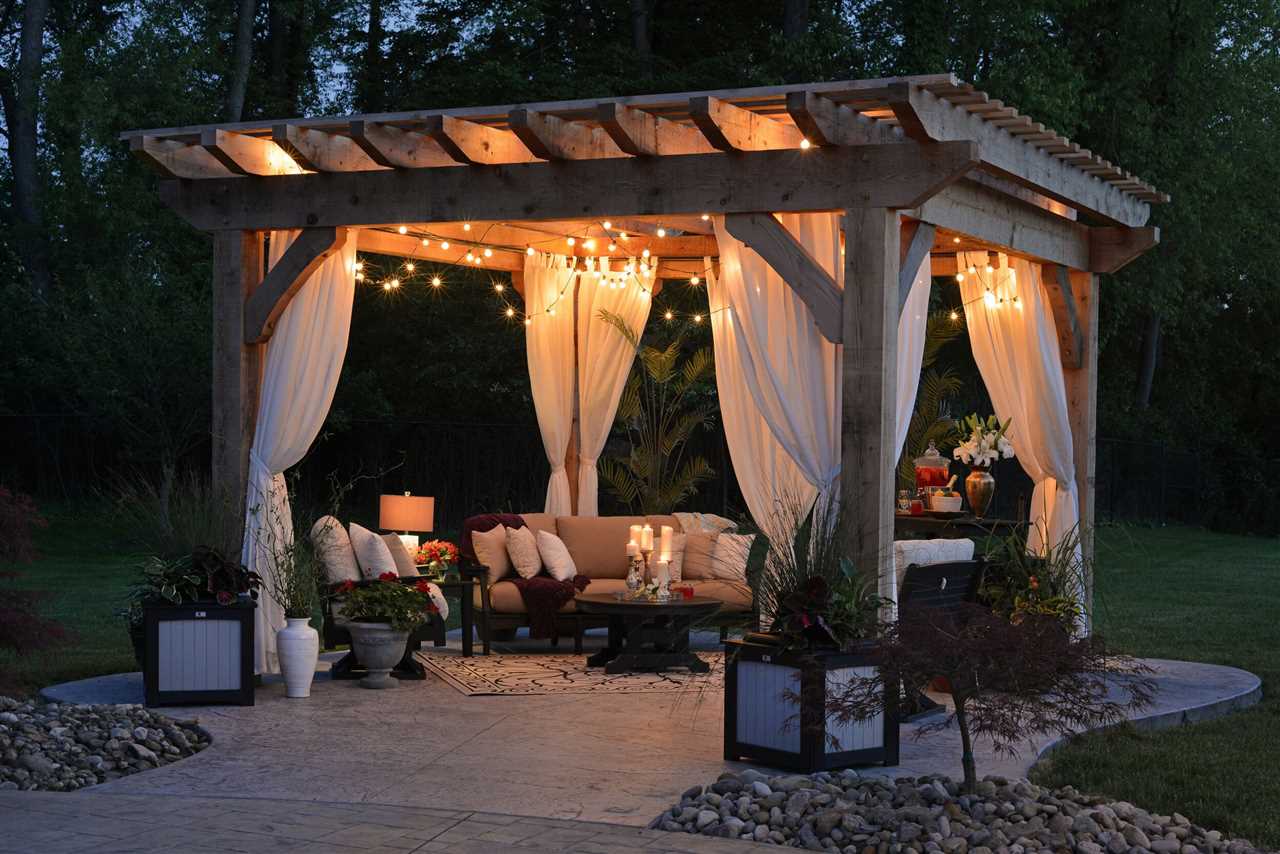
When it comes to creating a sheltered and shaded outdoor space, there are two popular options to consider: the pergola and the gazebo. Both structures offer unique benefits and can enhance the beauty and functionality of your patio or outdoor area. Whether you’re looking for a space to relax and unwind or a place to entertain guests, understanding the differences between a pergola and a gazebo can help you make the right choice for your needs.
A pergola is a versatile outdoor structure that typically consists of vertical posts supporting an open lattice roof. This design allows for partial shade, as the roof lets some sunlight through while providing protection from direct sunlight. Pergolas are often used to define an outdoor living space, such as a patio or deck, and can be customized with climbing plants or fabric canopies for added shade and privacy.
On the other hand, a gazebo is a freestanding structure with a complete roof and enclosed sides. This provides full shade and protection from the elements, making it an ideal choice for those looking for a more sheltered space. Gazebos are often used as outdoor dining areas or as a separate seating area for relaxation and entertainment. They can be designed with open or screened sides, allowing you to enjoy the outdoors while keeping bugs and insects at bay.
Ultimately, the choice between a pergola and a gazebo depends on your specific needs and preferences. If you’re looking for a structure that offers a balance of shade and sunlight, and you want the ability to customize it with plants or fabric, a pergola may be the right choice for you. On the other hand, if you prioritize full shade and protection from the elements, and you want a more enclosed space, a gazebo may be the better option. Consider your desired level of shade, the amount of space you have available, and how you plan to use the structure to make the best decision for your outdoor area.
Overview
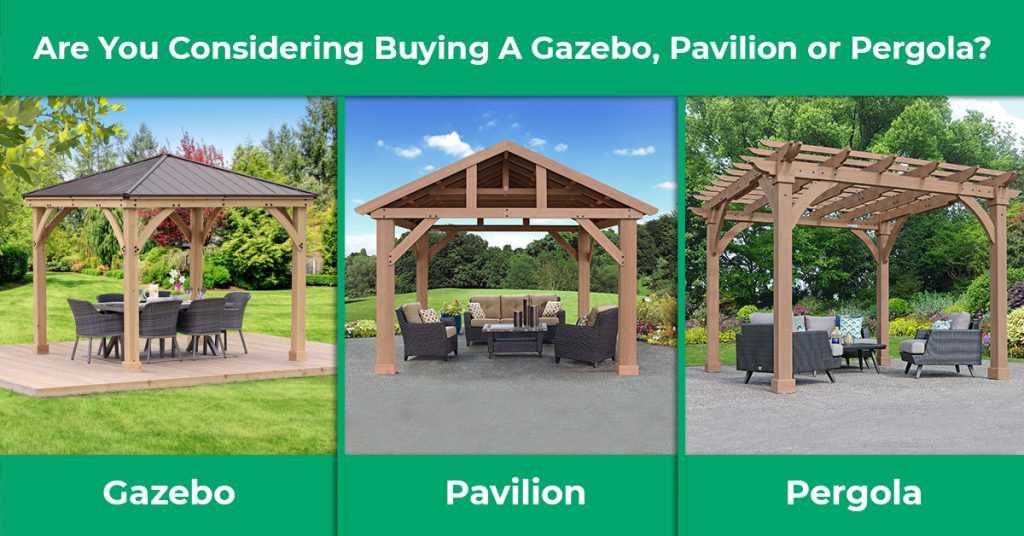
When it comes to creating a comfortable outdoor space, having a shade structure is essential. Whether you are looking to relax in the garden or entertain guests on your patio, a gazebo or a pergola can provide the perfect solution. These outdoor structures not only offer shelter from the sun but also add a touch of elegance to your outdoor space.
A gazebo is a freestanding structure that is typically round or octagonal in shape. It features a solid roof and open sides, providing a shaded area for relaxation or socializing. Gazebos are often placed in the center of a garden or backyard, creating a focal point and adding charm to the overall landscape.
On the other hand, a pergola is a more versatile structure that can be attached to the side of a house or built as a freestanding unit. It consists of vertical posts supporting a roof made of slats or beams. Pergolas are designed to create an outdoor living space that allows for partial shade. They can be used to define an outdoor dining area, provide a cozy spot for lounging, or even serve as a framework for climbing plants.
Both gazebos and pergolas offer their own unique benefits. Gazebos provide a fully covered space, offering maximum shade and protection from the elements. They are ideal for hosting outdoor events or enjoying a quiet moment in the garden. Pergolas, on the other hand, offer a more open and airy feel, allowing for a balance of sunlight and shade. They are perfect for creating a comfortable and inviting outdoor living space.
Ultimately, the choice between a gazebo and a pergola depends on your specific needs and preferences. Consider the size of your outdoor space, the level of shade and privacy you desire, and the overall aesthetic you want to achieve. Both structures can enhance the beauty and functionality of your outdoor area, providing a place to relax and enjoy the outdoors.
Understanding the Differences
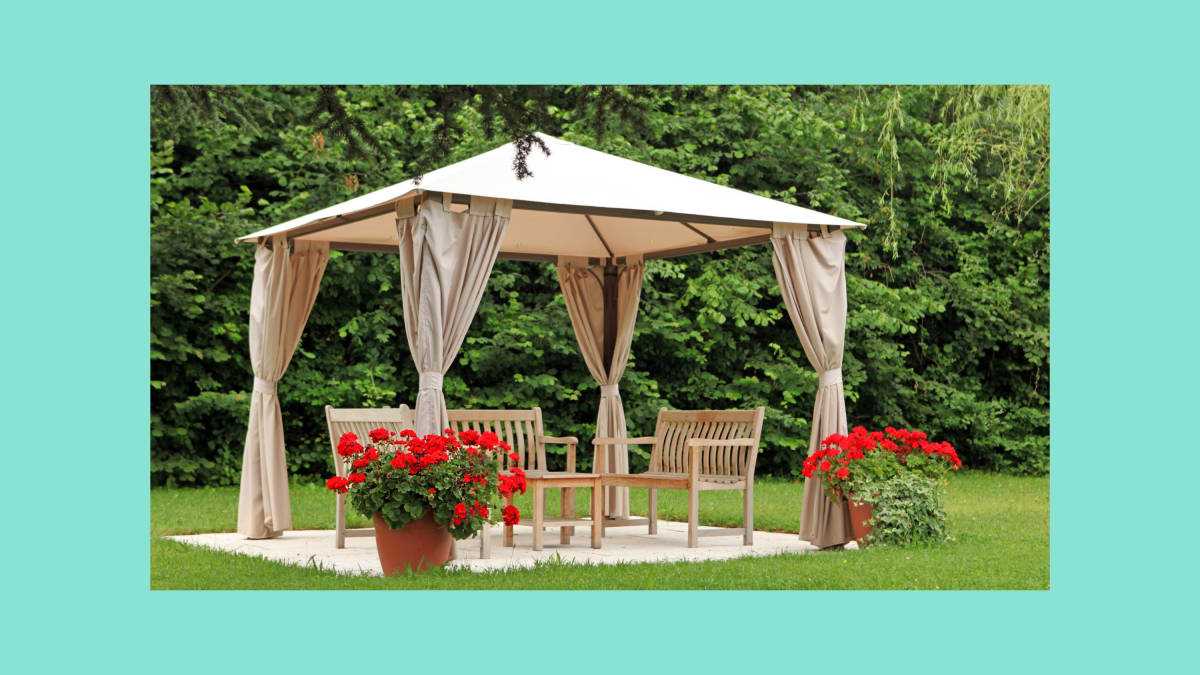
When it comes to outdoor structures, pergolas and gazebos are two popular options. Both provide a space for relaxation and enjoyment of the outdoor environment, but they have some key differences that make them suitable for different purposes.
A pergola is an outdoor structure that consists of vertical posts supporting a roof of cross beams, creating an open-air space. It is typically built as an extension of a patio or outdoor living area and provides partial shade. Pergolas are often used to define a specific area in the garden or patio and can be used to support climbing plants, creating a natural and beautiful green space.
A gazebo, on the other hand, is a freestanding outdoor structure with a solid roof and open sides. It is usually placed in a garden or open space and provides complete shade and protection from the elements. Gazebos are often used as a focal point in a garden, offering a space for outdoor dining, entertaining, or simply enjoying the view.
While both pergolas and gazebos provide outdoor shade and a place to relax, they differ in terms of their structure and purpose. Pergolas are more open and airy, allowing for a greater connection to the surrounding environment. They are ideal for creating a cozy and intimate outdoor space where you can enjoy the beauty of your garden.
Gazebos, on the other hand, offer more protection from the elements and can be used in a variety of ways. They provide a sheltered space for outdoor activities, such as dining or hosting gatherings, and can also be used as a quiet retreat for reading or enjoying nature.
In summary, pergolas and gazebos are both outdoor structures that provide shade and relaxation, but they have distinct differences in terms of their structure and purpose. A pergola is a more open and airy structure that is ideal for creating a cozy and intimate outdoor space, while a gazebo offers more protection and can be used in a variety of ways.
Factors to Consider
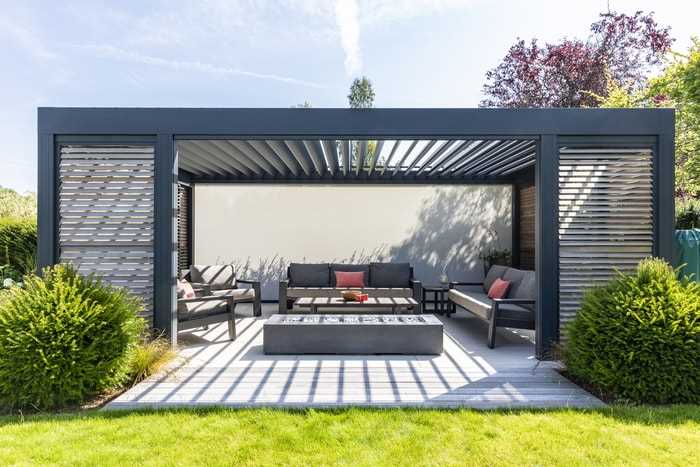
When deciding between a pergola and a gazebo, there are several factors to consider that can help you make the right choice for your outdoor space:
- Shelter: Consider how much shelter you need from the elements. A gazebo provides more protection as it has a roof, while a pergola offers more open-air space.
- Outdoor Use: Think about how you plan to use the structure. If you want a space for relaxation or entertaining guests, a gazebo may be more suitable. If you want to enhance your garden or create a shaded area for plants, a pergola might be the better option.
- Structure: Consider the overall design and structure of your outdoor space. A gazebo has a more solid and defined structure, while a pergola has a more open and airy feel.
- Shade: If you’re looking for a structure that provides shade, both a gazebo and a pergola can offer this. However, a pergola can be customized with the addition of canopy or curtains for extra shade.
- Patio: Think about the size and layout of your patio. A gazebo may require more space, while a pergola can be built to fit any size patio.
Considering these factors can help you determine whether a gazebo or a pergola is the right outdoor structure for you and your needs.
Pergola
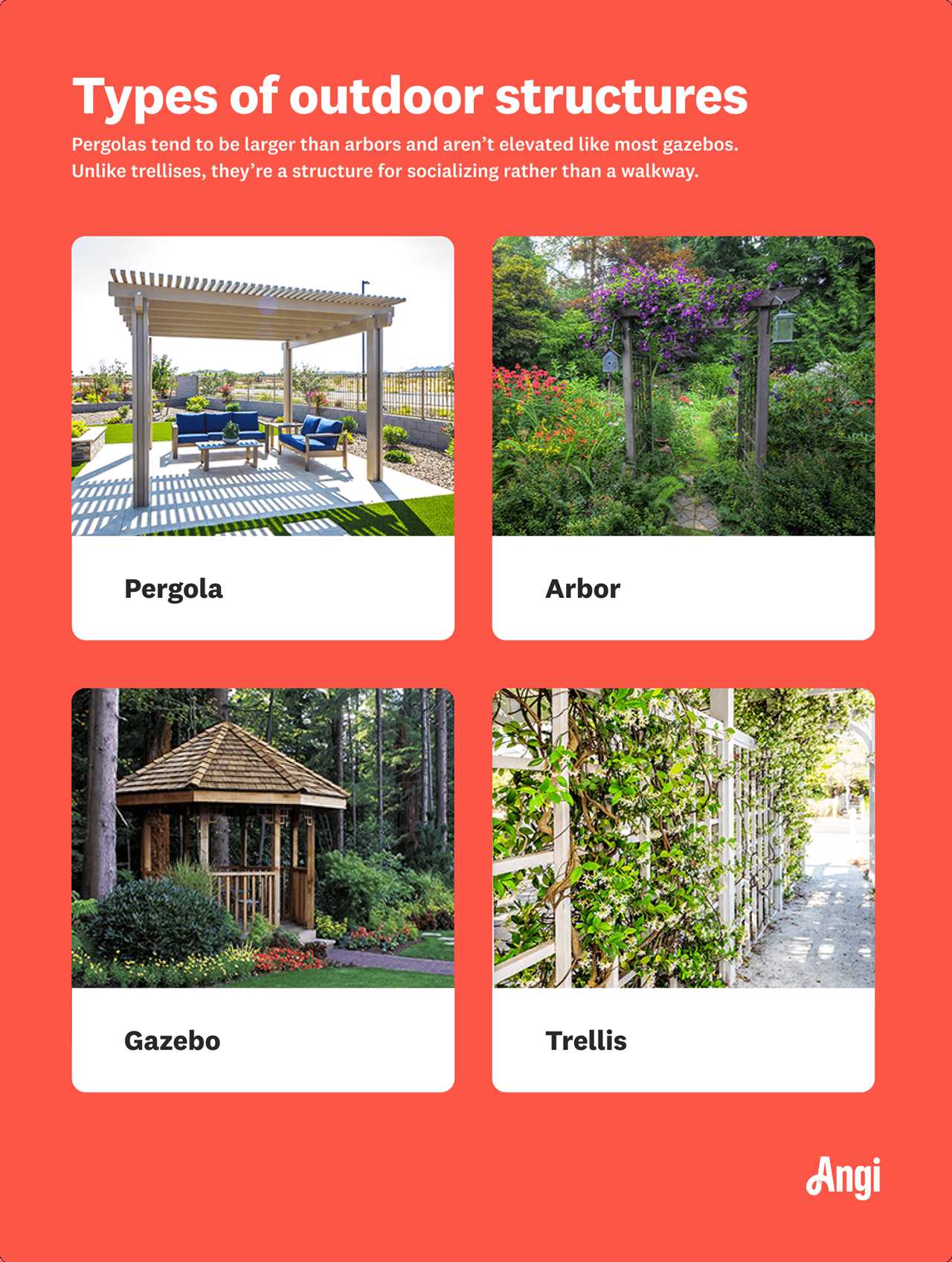
A pergola is a sheltered outdoor structure that creates a relaxing and inviting space on a patio or in a garden. It is designed to provide shade and protection from the elements while still allowing for an open and airy feel.
The main purpose of a pergola is to provide shade. The structure is typically made up of vertical posts or columns that support a series of horizontal beams or rafters. These beams can be left open or covered with a variety of materials such as fabric, latticework, or plants to create a shaded area.
Unlike a gazebo, which is a fully enclosed structure, a pergola is more open and allows for a greater connection with the surrounding environment. It provides a sense of openness and freedom while still providing shelter and shade.
One of the main benefits of a pergola is its versatility. It can be used to create an outdoor living space, an extension of the home’s interior, or as a focal point in a garden. It can be used for entertaining guests, enjoying meals, or simply relaxing and enjoying the outdoors.
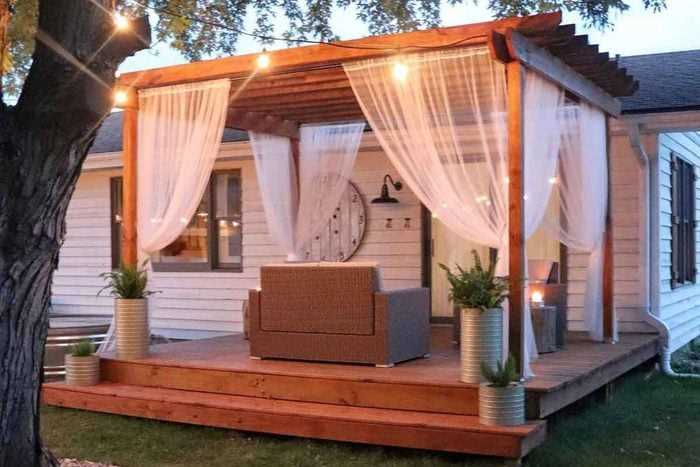
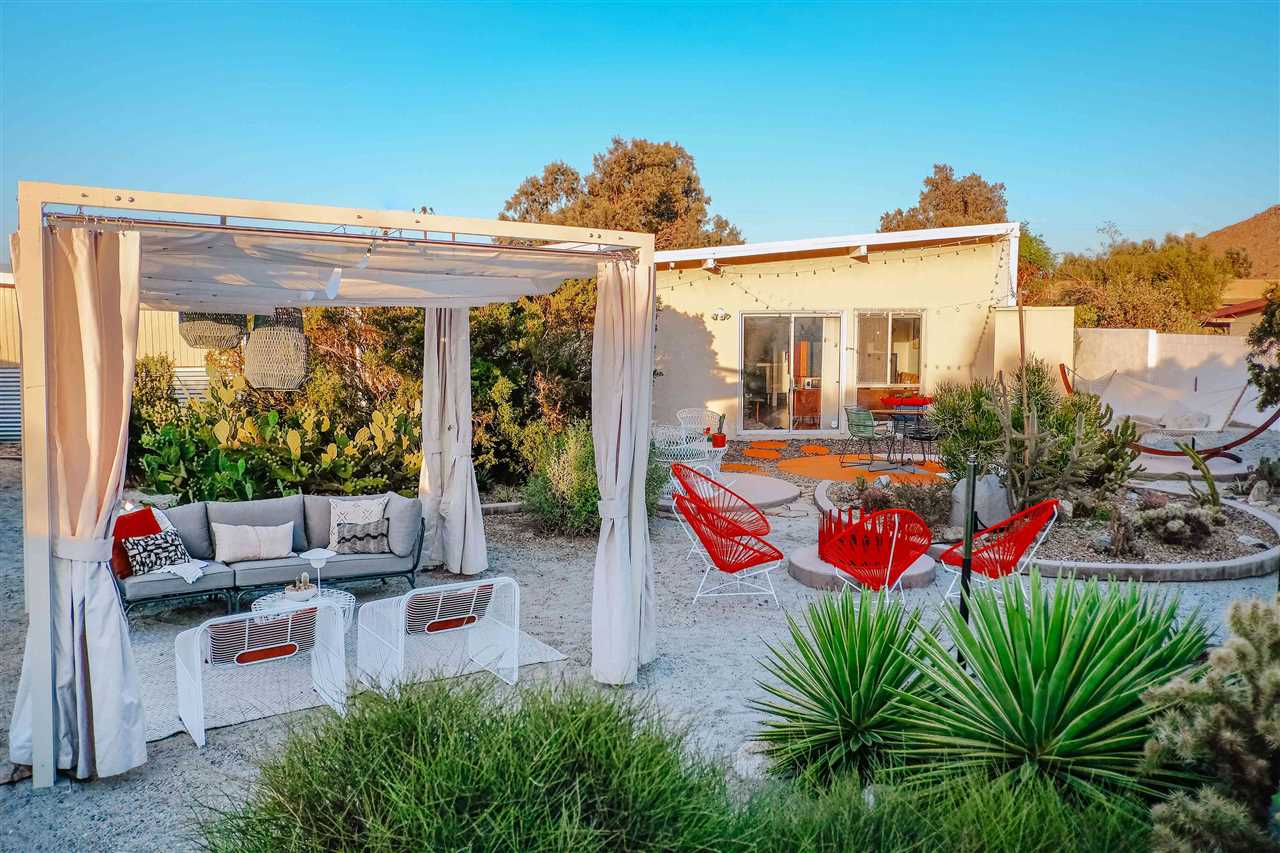
A pergola can be customized to fit any style or design preference. It can be made from a variety of materials such as wood, metal, or vinyl, and can be painted or stained to match the existing decor. It can also be adorned with accessories such as curtains, lighting, or climbing plants to create a more personalized and inviting space.
In summary, a pergola is a versatile outdoor structure that provides shade, shelter, and relaxation. It can be used to create a comfortable and inviting space on a patio or in a garden, and can be customized to fit any style or design preference. Whether used as a standalone structure or in combination with other outdoor elements, a pergola adds beauty and functionality to any outdoor space.
Definition and Design
A gazebo is a freestanding outdoor structure that provides shelter and shade. It is typically octagonal or hexagonal in shape and has a solid roof and open sides. Gazebo designs can vary greatly, from simple and traditional to elaborate and ornate.
A pergola, on the other hand, is a structure that is usually attached to a building or stands on its own to create an outdoor relaxation area. It is typically made of vertical posts or pillars that support crossbeams and an open lattice roof. Pergolas are designed to provide partial shade and can be adorned with climbing plants and vines.
Both gazebos and pergolas are popular choices for outdoor structures in gardens and other outdoor spaces. They offer a place to relax and enjoy the outdoors while providing shelter from the sun and other elements.
When deciding between a gazebo and a pergola, it is important to consider the design and style that best fits your outdoor space. Gazebos are often seen as more formal and traditional, while pergolas have a more open and airy feel. The choice between the two structures ultimately depends on personal preference and the desired aesthetic for your outdoor space.
Benefits and Uses
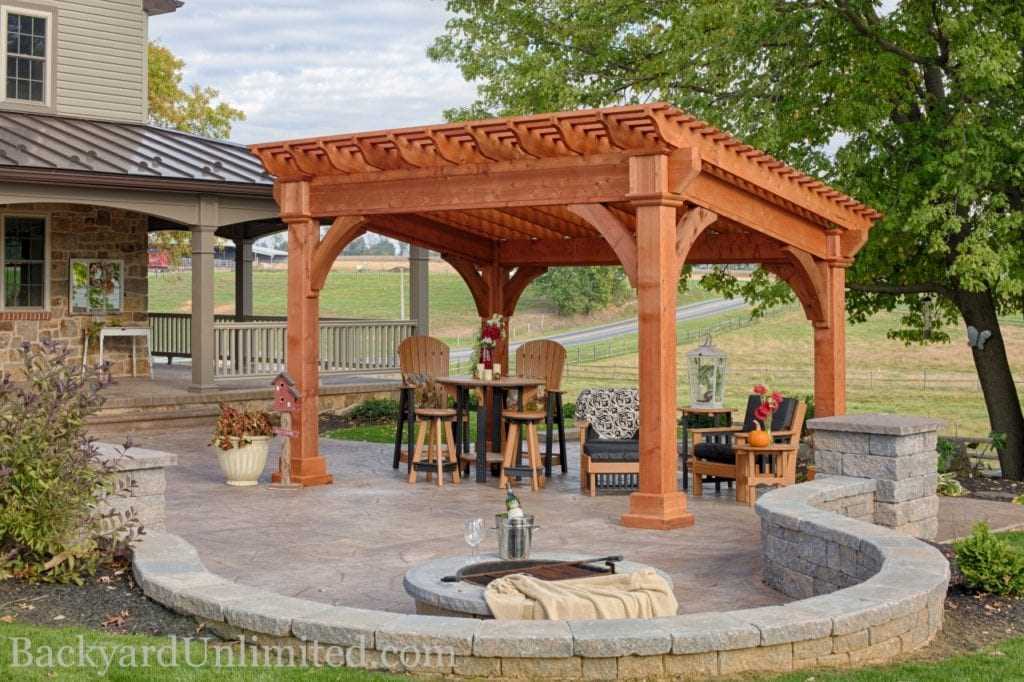
Both gazebos and pergolas are popular outdoor structures that offer various benefits and uses for homeowners. Whether you have a patio or a garden, these structures can enhance your outdoor space and provide a place for relaxation and entertainment.
Gazebo:
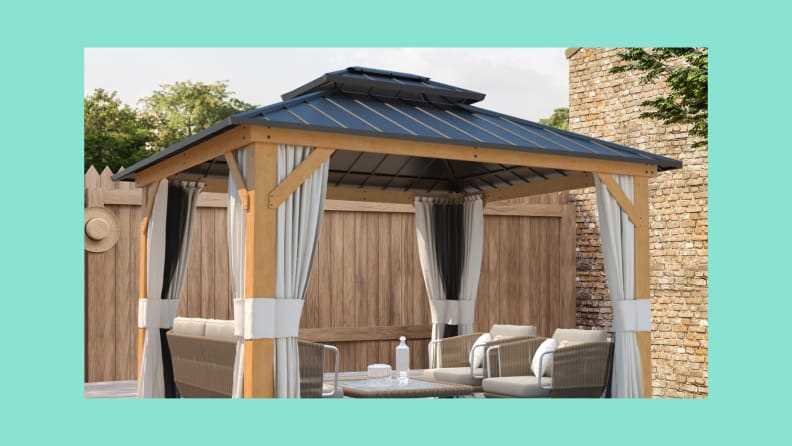
- A gazebo is a freestanding structure with a roof and open sides, often built in a hexagonal or octagonal shape.
- It provides shade and shelter from the sun, making it a perfect spot for outdoor activities such as dining, reading, or hosting gatherings.
- A gazebo adds aesthetic appeal to your outdoor space and can become a focal point in your garden.
- It can be used as a standalone structure or incorporated into a larger outdoor living area.
Pergola:
- A pergola is an outdoor structure with an open roof supported by columns or posts.
- It creates a partially shaded area, allowing you to enjoy the outdoors while still being protected from the sun.
- A pergola can be used to define different areas in your outdoor space, such as a seating area or a pathway.
- It provides a framework for climbing plants, such as vines or flowers, adding beauty and greenery to your garden.
- A pergola can be customized with various accessories, such as curtains, lights, or a retractable canopy, to create a more personalized and functional space.
Whether you choose a gazebo or a pergola, both structures offer a range of benefits and uses. They provide shade, shelter, and a designated space for relaxation and outdoor activities. Consider your specific needs and the style of your outdoor space to determine which structure is right for you.
Materials and Maintenance
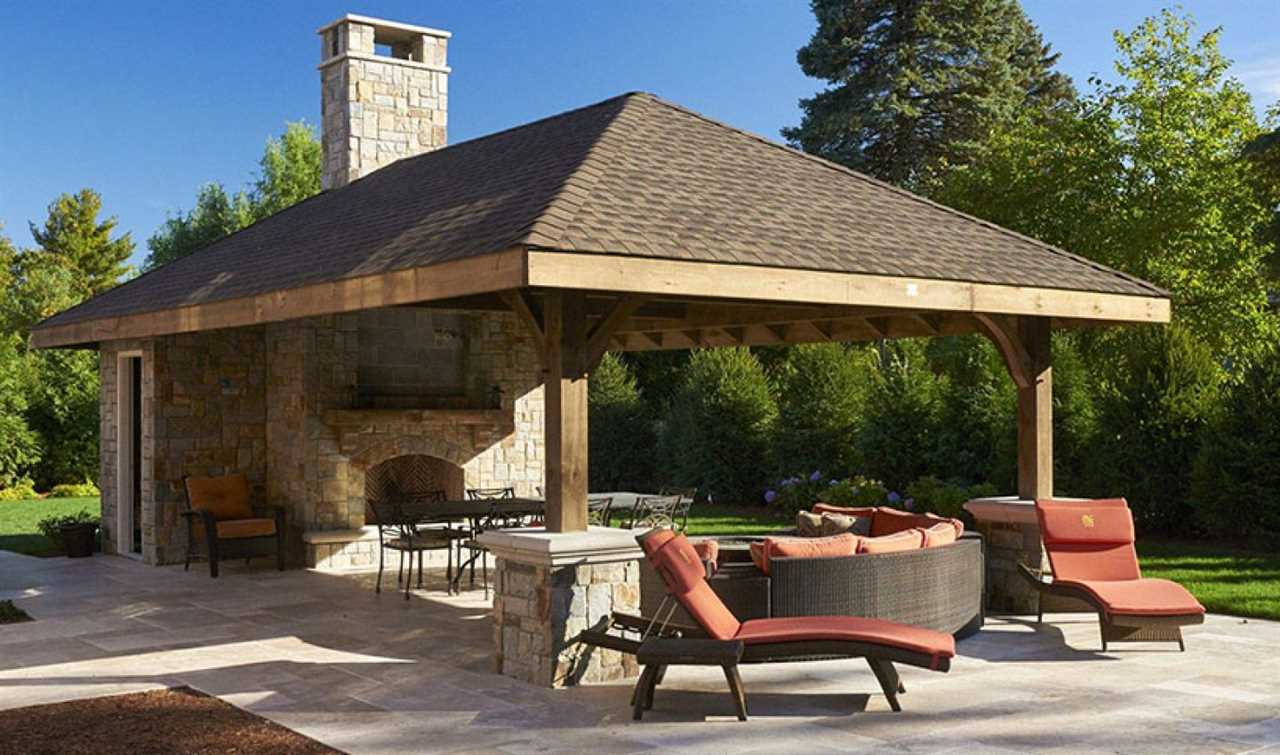
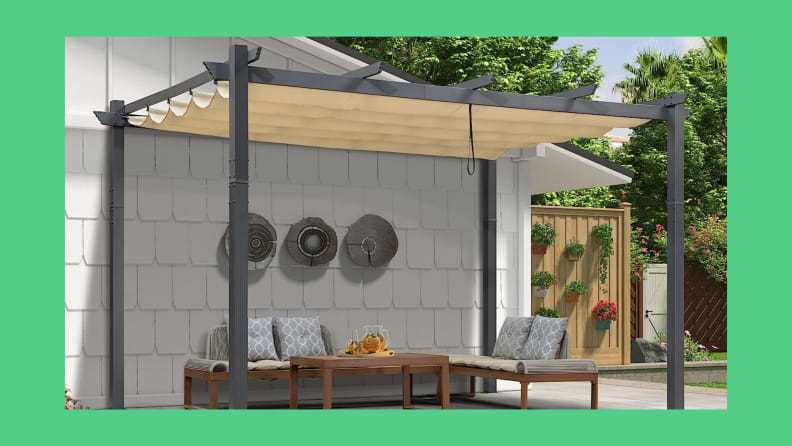
When it comes to materials, both gazebos and pergolas offer a variety of options to choose from. The choice of materials will depend on your personal preferences, budget, and the overall aesthetic you want to achieve in your garden.
Gazebos are typically made from wood, metal, or vinyl. Wood gazebos have a classic and natural look, but they require regular maintenance to keep them in good condition. Metal gazebos are durable and low-maintenance, but they may rust over time if not properly cared for. Vinyl gazebos are easy to clean and maintain, but they may not have the same aesthetic appeal as wood or metal.
Pergolas are also available in various materials, including wood, metal, and vinyl. Wood pergolas are popular for their natural beauty and versatility. They can be stained or painted to match your outdoor decor and can be easily customized with additional features such as curtains or climbing plants. Metal pergolas are durable and require minimal maintenance, but they may not offer the same warmth and charm as wood. Vinyl pergolas are low-maintenance and resistant to rot and insects, but they may not have the same visual appeal as wood or metal.
Regardless of the material you choose, regular maintenance is important to keep your outdoor structure in good condition. This includes cleaning, sealing, and repairing any damage that may occur over time. It’s also important to consider the climate in your area, as certain materials may be more suitable for specific weather conditions.
In summary, both gazebos and pergolas offer a range of materials to choose from, each with its own advantages and considerations. Whether you prefer the classic charm of wood, the durability of metal, or the low-maintenance convenience of vinyl, there is a material that will suit your needs and complement your outdoor space.
Gazebo
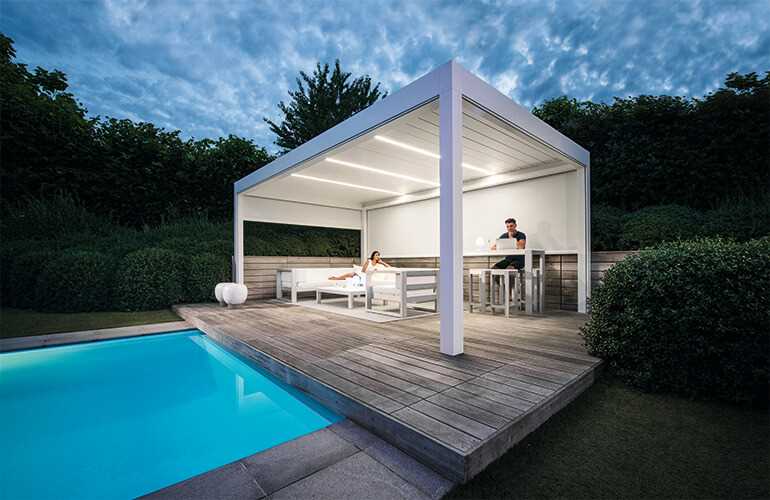
A gazebo is a garden structure that provides shade and shelter in an outdoor space. It is typically freestanding and can be placed anywhere in the garden or yard. Gazebo is a popular choice for those who want to create a relaxing and comfortable outdoor space.
Gazebos are often made of wood or metal and feature a roof and open sides. The roof provides protection from the sun and rain, while the open sides allow for fresh air and a view of the surrounding garden. Some gazebos also have curtains or screens that can be drawn to provide additional privacy.
A gazebo can be a great addition to a patio or deck, providing a designated area for relaxation and entertainment. It can be used for outdoor dining, hosting parties, or simply enjoying a cup of coffee in the morning. With the right furniture and decor, a gazebo can become a cozy and inviting outdoor living space.
One of the advantages of a gazebo is its versatility. It can be used year-round, providing shade in the summer and protection from the elements in the winter. It can also be decorated and customized to fit any style or theme, making it a unique and personal addition to any garden or outdoor space.
Overall, a gazebo is a great option for those who want a versatile and stylish outdoor structure. Whether you want a space for relaxation, entertainment, or simply enjoying the beauty of your garden, a gazebo can provide the perfect sheltered spot.
Definition and Design
An outdoor structure is a great addition to any garden or patio, providing shade and shelter from the elements. Two popular options for outdoor structures are pergolas and gazebos.
A pergola is an open-air structure that typically consists of vertical posts supporting a lattice or crossbeam roof. It is designed to provide partial shade and can be used to define an outdoor space or create a focal point in a garden. Pergolas are often used to support climbing plants, such as vines or roses, adding a natural and beautiful element to the structure.
A gazebo, on the other hand, is a fully enclosed structure that is often hexagonal or octagonal in shape. It features a solid roof and walls, providing complete protection from the sun, rain, and wind. Gazebos are designed to create a cozy and intimate space for relaxation or entertaining, and they often have benches or seating areas inside.
Both pergolas and gazebos come in a variety of designs and materials. Pergolas can be made from wood, vinyl, or metal, and they can be customized with different roof styles, such as a flat roof or a pitched roof. Gazebos are typically made from wood or metal and can have a traditional or modern design. They can also be customized with features like screens or curtains for added privacy.
When choosing between a pergola and a gazebo, consider your outdoor space and how you plan to use the structure. If you want a structure that provides partial shade and allows for the growth of climbing plants, a pergola may be the best option. If you prefer a fully enclosed and protected space, a gazebo may be more suitable. Ultimately, the choice between a pergola and a gazebo depends on your personal preferences and the specific needs of your outdoor space.
Benefits and Uses
Both pergolas and gazebos are outdoor structures that provide shade and add beauty to any outdoor space. They can be used in various ways and offer different benefits depending on your needs and preferences.
Pergola:
- A pergola is an open-air structure that consists of vertical posts supporting crossbeams and an open lattice roof.
- It provides partial shade, allowing some sunlight to filter through the roof, creating a dappled effect.
- Pergolas are perfect for creating an outdoor relaxation area in your garden or patio.
- They can be used to define an outdoor living space or as a focal point in your garden.
- With the addition of climbing plants or vines, pergolas can offer additional shade and create a natural and cozy atmosphere.
Gazebo:
- A gazebo is a complete outdoor structure with a solid roof and open sides.
- It provides full shade and protection from the elements, making it ideal for outdoor gatherings and events.
- Gazebos can be used as outdoor dining areas, entertainment spaces, or as a sheltered spot for relaxation.
- They offer a more enclosed and intimate space compared to pergolas.
- Gazebos can be customized with screens, curtains, or mosquito netting to keep insects out and add privacy.
In summary, pergolas are great for creating a semi-shaded outdoor space that blends with your garden, while gazebos provide full shade and a more enclosed environment. Consider your needs and preferences to determine which outdoor structure is right for you.
Materials and Maintenance
When it comes to materials, both pergolas and gazebos offer a range of options to choose from. The choice of material will depend on factors such as budget, desired aesthetics, and maintenance requirements.
Garden Pergola:
- Wood: Wood is a popular choice for pergolas as it gives a natural and rustic look to the outdoor space. However, it requires regular maintenance such as staining or painting to protect it from rot and weather damage.
- Aluminum: Aluminum pergolas are lightweight, durable, and low-maintenance. They are resistant to rust and can withstand harsh weather conditions. Additionally, they can be painted to match the desired color scheme.
- Vinyl: Vinyl pergolas are highly durable and require minimal maintenance. They are resistant to rot, insects, and fading. Vinyl pergolas are available in a variety of colors and styles, making them a versatile choice for any garden or patio.
Garden Gazebo:
- Wood: Wood gazebos offer a classic and elegant look to any outdoor space. However, they require regular maintenance such as staining or sealing to protect them from rot and insect damage.
- Metal: Metal gazebos, such as those made of wrought iron or steel, are durable and long-lasting. They require minimal maintenance and can withstand harsh weather conditions. However, they may be prone to rust if not properly cared for.
- Canvas: Some gazebos feature a canvas canopy, which provides shade and protection from the elements. These canopies can be easily removed and replaced, allowing for customization and easy maintenance.
Regardless of the material chosen, both pergolas and gazebos require some level of maintenance to ensure their longevity and aesthetic appeal. Regular cleaning, inspection, and repairs are necessary to keep the outdoor structure in good condition.
Overall, the choice of material for a garden pergola or gazebo will depend on personal preferences, budget, and maintenance capabilities. Whether it’s the natural beauty of wood, the durability of metal, or the low-maintenance appeal of vinyl, there is a material option to suit every outdoor space.
Video:Pergola vs Gazebo Which Outdoor Structure is Right for You

Hello, I am Beverly J. Sanders, the voice behind the diverse articles you come across on styves.co.za. My passion lies in exploring the nuances of home improvement and sharing tips that can help you transform your living space into a haven of comfort and style. From the latest trends in home decor to practical cleaning advice, I cover a broad spectrum of topics to cater to a wide variety of interests.
In my recent works, I have delved into the advantages of incorporating a horizontal Murphy bed into your home to save space without compromising on design and functionality. I also explored the benefits of having a free-standing electric fireplace that not only adds warmth to your home but also brings a sleek and modern design to any living space. My articles are a rich resource, offering insights into different products and home improvement strategies that can enhance the quality of your life.
I believe in the power of details; a belief that reflects in my comprehensive guides where I discuss even the overlooked aspects of home decor, such as the impact of baseboard trim in enhancing the overall look and feel of your home. I am constantly on the lookout for innovative solutions and products that can add value to your home and life.
Join me in my exploration as I continue to bring you the latest trends, tips, and insights in the home improvement world. Let’s create a home that is not just a place to live, but a reflection of style and personality.