Contents
Choosing the Right Hardwood Floor Underlayment A Complete Guide
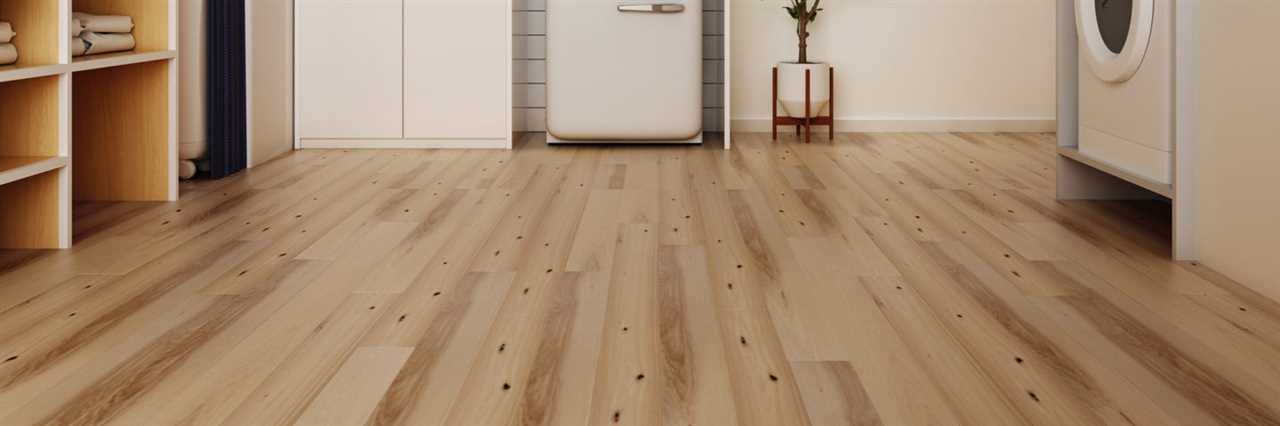
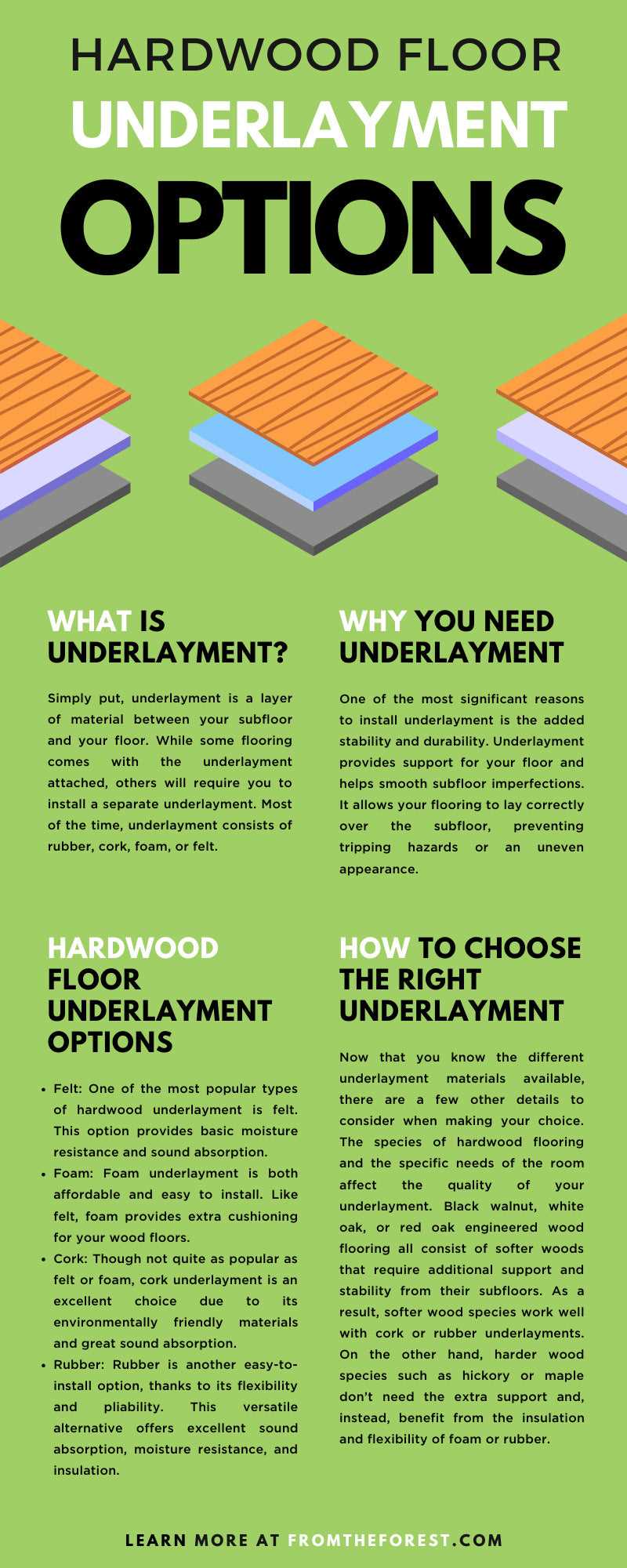
When it comes to the installation of a wood floor, one of the most important factors to consider is the underlayment. The underlayment is a layer of material that is placed between the subfloor and the hardwood floor. It serves several purposes, including providing a smooth and level surface for the floor, reducing noise, and acting as a moisture barrier.
There are several types of underlayment to choose from, but one of the most common options is plywood. Plywood underlayment is made from thin layers of wood veneer that are glued together. It is a popular choice because it is relatively inexpensive and easy to work with. Plywood underlayment also provides good insulation and is resistant to moisture, which makes it suitable for use in areas with high humidity or where moisture may be a concern.
Another option to consider is foam underlayment. Foam underlayment is made from a lightweight material that provides excellent insulation and noise reduction. It is easy to install and can be used on both concrete and wood subfloors. Foam underlayment is also resistant to moisture, making it a suitable choice for areas with high humidity or where moisture may be present.
Ultimately, the choice of underlayment will depend on several factors, including the type of subfloor, the level of moisture in the area, and personal preference. It is important to carefully consider these factors and choose the right underlayment to ensure a successful and long-lasting hardwood floor installation.
Understanding the Importance of Underlayment
When it comes to installing hardwood floors, choosing the right underlayment is crucial. Underlayment is a thin layer of material that is placed between the subfloor and the hardwood floor. It serves several important purposes and can greatly impact the performance and longevity of your hardwood floor.
One of the main functions of underlayment is to provide a smooth and level surface for the installation of the hardwood floor. It helps to eliminate any imperfections in the subfloor, such as unevenness or minor cracks. This ensures that the hardwood floor is installed correctly and prevents any potential problems in the future.
Another important role of underlayment is to act as a moisture barrier. Moisture can be a major issue for hardwood floors, as it can cause the wood to warp or swell. Underlayment helps to prevent moisture from seeping up from the subfloor and damaging the hardwood floor. This is especially important in areas with high humidity or moisture, such as bathrooms or basements.
Underlayment also provides insulation for the hardwood floor. It helps to reduce noise transmission, making the floor quieter to walk on. It also provides thermal insulation, helping to keep the floor warm in colder months. This can be particularly beneficial in homes with concrete subfloors, which can feel cold to the touch.
Choosing the right underlayment for your hardwood floor is essential. There are different types of underlayment available, including foam, cork, and plywood. The type of underlayment you choose will depend on factors such as the type of hardwood floor, the subfloor material, and your specific needs and preferences.
Overall, underlayment plays a crucial role in the installation and performance of hardwood floors. It helps to create a smooth and level surface, acts as a moisture barrier, and provides insulation. By choosing the right underlayment, you can ensure that your hardwood floor is installed correctly and will last for years to come.
Why Underlayment Matters
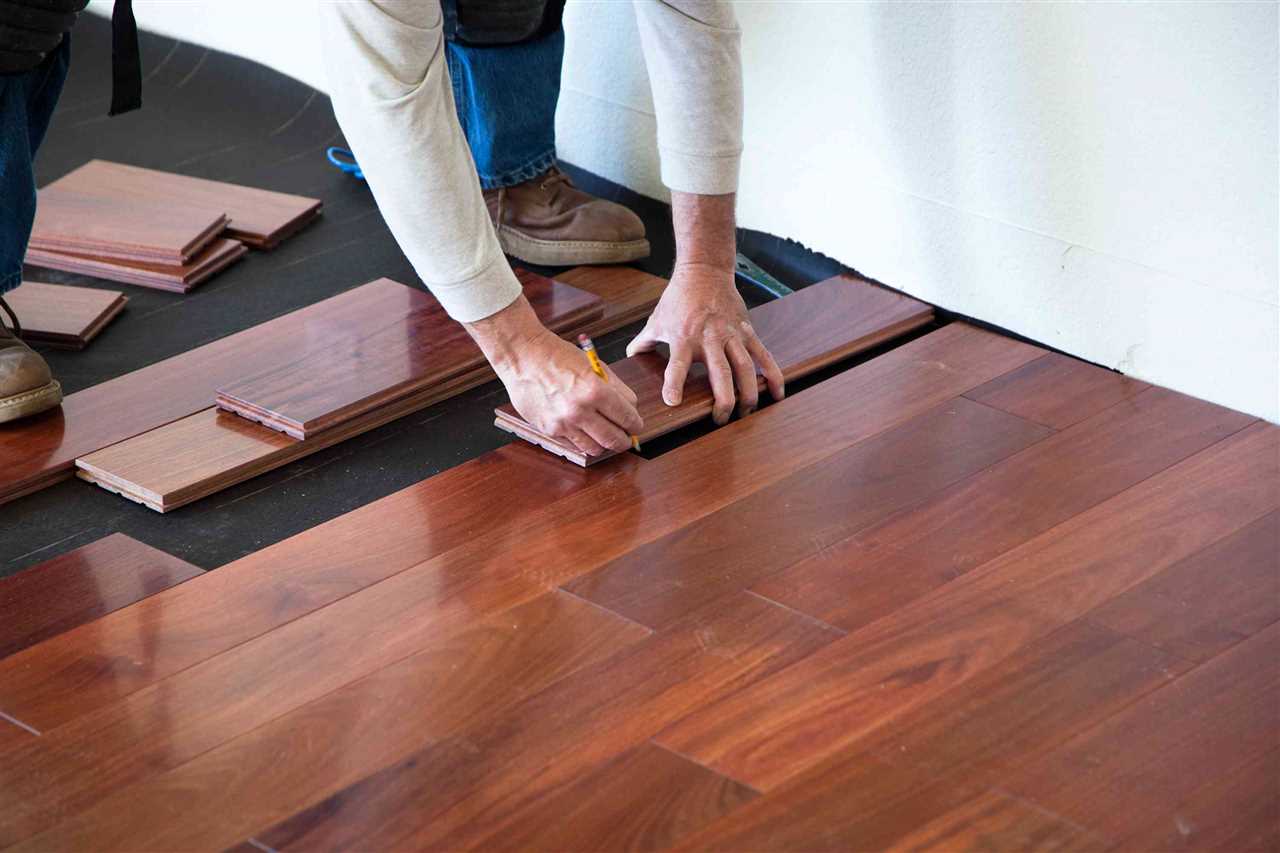
When it comes to installing hardwood floors, the underlayment is an important factor that should not be overlooked. The underlayment is a layer of material that is placed between the subfloor and the hardwood flooring. It serves several important purposes that can greatly impact the performance and longevity of your new floor.
One of the main reasons why underlayment matters is because it helps to provide a smooth and level surface for the installation of the hardwood floor. If the subfloor is uneven or has imperfections, these can transfer through to the hardwood and cause issues such as squeaking or uneven wear. The underlayment helps to create a more stable and even surface, ensuring that your hardwood floor is installed correctly and will last for years to come.
In addition to providing a level surface, underlayment also helps to reduce noise. Hardwood floors can be quite noisy, especially in high traffic areas or multi-story buildings. The underlayment acts as a buffer, absorbing sound and reducing the amount of noise that travels through the floor. This can make a significant difference in the overall comfort and livability of your space.
Another important reason why underlayment matters is because it provides insulation. Without proper insulation, hardwood floors can feel cold underfoot, especially in colder climates. The underlayment helps to insulate the floor, keeping it warmer and more comfortable. This can also help to reduce energy costs by preventing heat loss through the floor.
Underlayment also helps to protect the hardwood floor from moisture. Moisture can seep up from the subfloor and damage the hardwood, causing it to warp or buckle over time. The underlayment acts as a barrier, preventing moisture from reaching the hardwood and preserving its integrity.
Overall, underlayment is a crucial component of a successful hardwood floor installation. It provides a level surface, reduces noise, provides insulation, and protects the hardwood from moisture. When choosing an underlayment, be sure to consider the specific needs of your space and the type of hardwood flooring you are installing. With the right underlayment, you can ensure that your hardwood floor will not only look beautiful but also perform well for years to come.
Enhances Durability
An underlayment is an essential component of a hardwood floor installation. It not only provides a smooth and level surface for the hardwood to be installed on, but it also enhances the durability of the floor.
One of the main benefits of using an underlayment is that it helps to prevent moisture from seeping into the hardwood. Moisture can cause the wood to warp, buckle, or even rot over time, leading to costly repairs or replacement. By providing a barrier between the hardwood and the subfloor, the underlayment helps to protect the wood from moisture damage.
In addition to moisture protection, an underlayment also helps to reduce noise and provide insulation. The underlayment acts as a buffer between the hardwood and the subfloor, absorbing sound and reducing the amount of noise that travels through the floor. This is especially important in multi-story buildings or areas where noise reduction is a priority.
Furthermore, the underlayment provides insulation, helping to improve the energy efficiency of the space. It helps to keep the room warm in the winter and cool in the summer, reducing the need for excessive heating or air conditioning. This not only helps to lower energy costs but also provides a more comfortable living environment.
When choosing an underlayment for your hardwood floor, it is important to consider the specific needs of your installation. Some underlayments are better suited for moisture-prone areas, while others are designed for sound reduction. Additionally, the type of subfloor you have, whether it is concrete or plywood, may also affect your underlayment choice.
| Factor | Description |
|---|---|
| Moisture Protection | An underlayment with a moisture barrier is necessary for areas prone to moisture, such as basements or bathrooms. |
| Noise Reduction | If reducing noise is a priority, choose an underlayment with soundproofing properties. |
| Subfloor Type | The type of subfloor you have, whether it is concrete or plywood, may require a specific type of underlayment. |
| Installation Method | Consider the installation method of the underlayment, whether it is adhesive-backed, floating, or nailed down. |
By choosing the right underlayment for your hardwood floor, you can enhance its durability and ensure that it will last for years to come. With the added benefits of moisture protection, noise reduction, and insulation, an underlayment is a crucial component of any hardwood floor installation.
Improves Sound Insulation
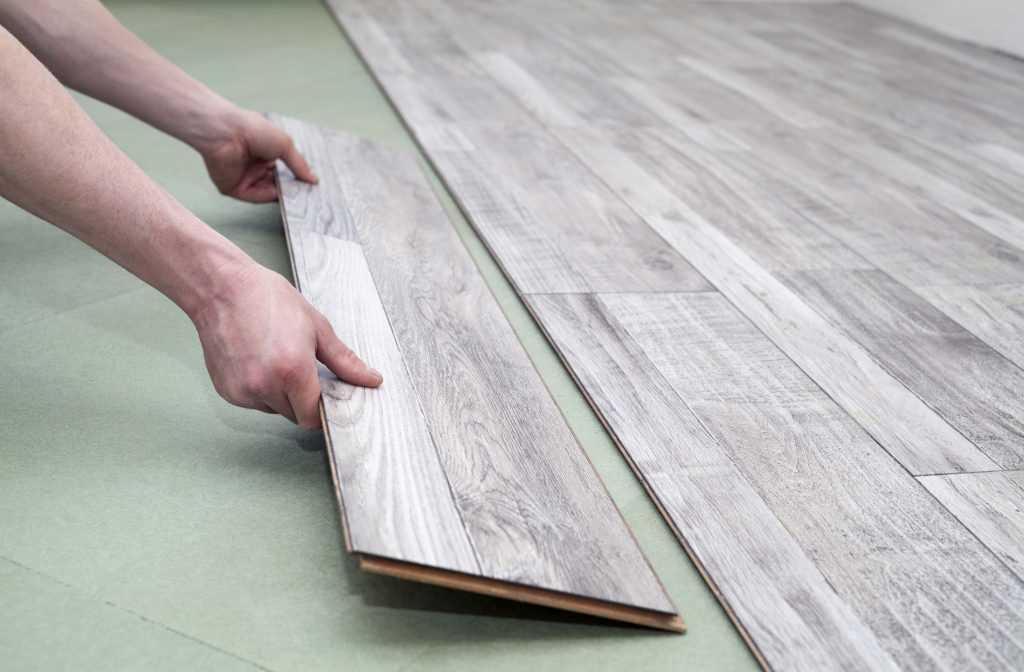
The choice of underlayment for your hardwood floor can have a significant impact on the sound insulation of your space. Hardwood floors can often transmit sound and vibrations, causing noise to travel to different areas of your home or building. However, using the right underlayment can help to improve sound insulation and reduce noise transfer.
Plywood underlayment is a popular choice for improving sound insulation. Plywood is a dense and solid material that helps to absorb sound and prevent it from traveling through the floor. When installed properly, plywood underlayment can significantly reduce noise transmission, providing a quieter and more peaceful environment.
In addition to plywood, there are also specialized underlayment materials designed specifically for sound insulation. These materials often have built-in insulation properties, such as foam or rubber, that help to further dampen sound vibrations. They are typically thicker than regular underlayment and provide an extra layer of protection against noise transfer.
Moisture can also affect the sound insulation of your hardwood floor. Wet or damp underlayment can reduce its effectiveness in absorbing sound and may even promote the growth of mold or mildew. Therefore, it is important to choose an underlayment that is moisture-resistant and will not be affected by humidity or water damage.
When selecting an underlayment for sound insulation, consider the type of hardwood flooring you have and the level of noise you want to reduce. Some underlayments are better suited for specific types of hardwood, while others are more versatile and can be used with any type of wood. Additionally, the thickness and density of the underlayment can also impact its sound insulation properties.
In conclusion, the right underlayment can greatly improve the sound insulation of your hardwood floor. Whether you choose plywood or specialized soundproofing materials, make sure to select an underlayment that is moisture-resistant and suitable for your specific flooring type. By doing so, you can create a quieter and more comfortable space for your home or building.
Types of Hardwood Floor Underlayment
When it comes to choosing the right hardwood floor underlayment, there are several options available. The type of underlayment you choose will depend on various factors, including the type of hardwood flooring you have, the subfloor you are working with, and your specific needs and preferences.
Here are some of the most common types of hardwood floor underlayment:
- Felt Underlayment: Felt underlayment is a popular choice for hardwood flooring installation. It is made from recycled fibers and is typically used on plywood subfloors. Felt underlayment helps to reduce noise and provides a cushioning effect.
- Foam Underlayment: Foam underlayment is lightweight and easy to install. It is often used on concrete subfloors and provides excellent sound insulation. Foam underlayment also helps to reduce moisture and can be used with both solid and engineered hardwood flooring.
- Cork Underlayment: Cork underlayment is an eco-friendly option that is made from the bark of cork oak trees. It is a natural moisture barrier and provides excellent sound insulation. Cork underlayment is suitable for both concrete and wood subfloors.
- Rubber Underlayment: Rubber underlayment is a durable option that is resistant to moisture and mold. It provides excellent sound insulation and is often used in areas where noise reduction is a priority, such as apartments or multi-story buildings.
It’s important to choose the right hardwood floor underlayment for your specific needs to ensure a successful and long-lasting installation. Consider factors such as the type of subfloor, the level of moisture in the area, and the desired level of sound insulation when making your decision.
Remember to always follow the manufacturer’s instructions and recommendations when installing hardwood floor underlayment to ensure proper installation and optimal performance.
Foam Underlayment

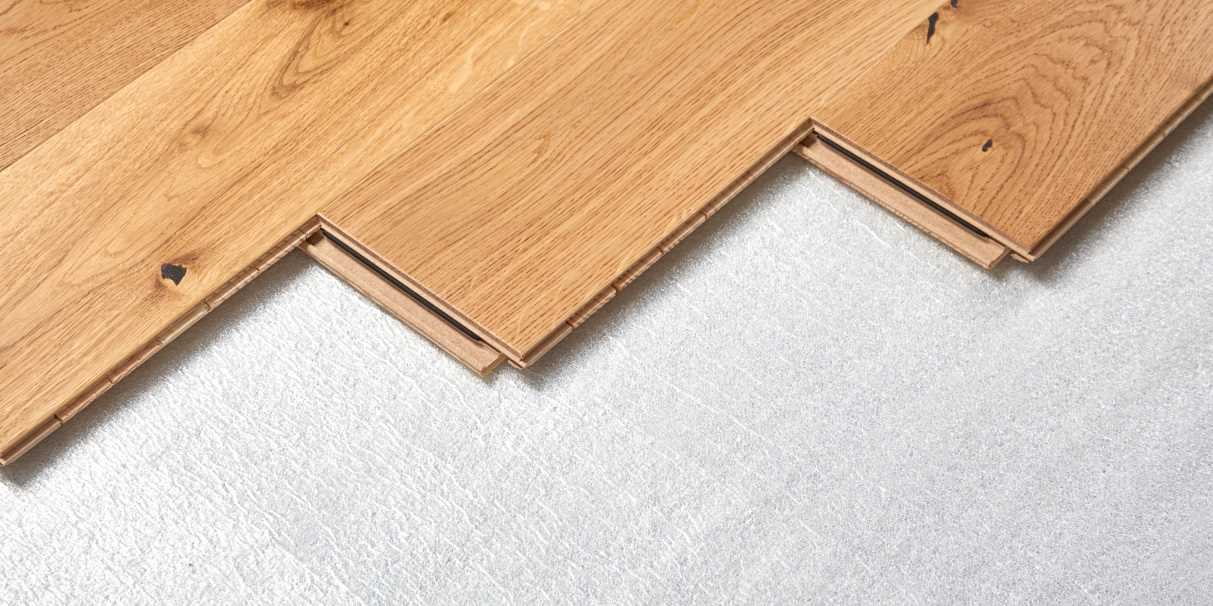
Foam underlayment is a popular choice for hardwood floor installations due to its affordability and versatility. It is a lightweight material that is easy to install and provides a cushioning effect under the wood floor, making it more comfortable to walk on.
One of the main benefits of foam underlayment is its ability to provide insulation. It helps to reduce heat loss and noise transmission, creating a more comfortable and quieter living space. This is especially beneficial in multi-story buildings where noise from foot traffic can be a concern.
Another advantage of foam underlayment is its moisture resistance. It acts as a barrier between the subfloor and the wood floor, preventing moisture from seeping through and causing damage. This is particularly important in areas with high humidity or where moisture is a common issue.
Foam underlayment is available in different thicknesses, with thicker options providing better cushioning and insulation. It can be easily cut to fit the shape of the room and is compatible with most types of hardwood flooring.
When choosing foam underlayment, it is important to consider the specific requirements of your hardwood floor installation. Some manufacturers recommend specific types or thicknesses of underlayment for their products, so be sure to check the manufacturer’s guidelines.
Overall, foam underlayment is a cost-effective and practical choice for hardwood floor installations. Its cushioning effect, insulation properties, and moisture resistance make it a reliable option for creating a comfortable and durable wood floor.
Benefits of Foam Underlayment
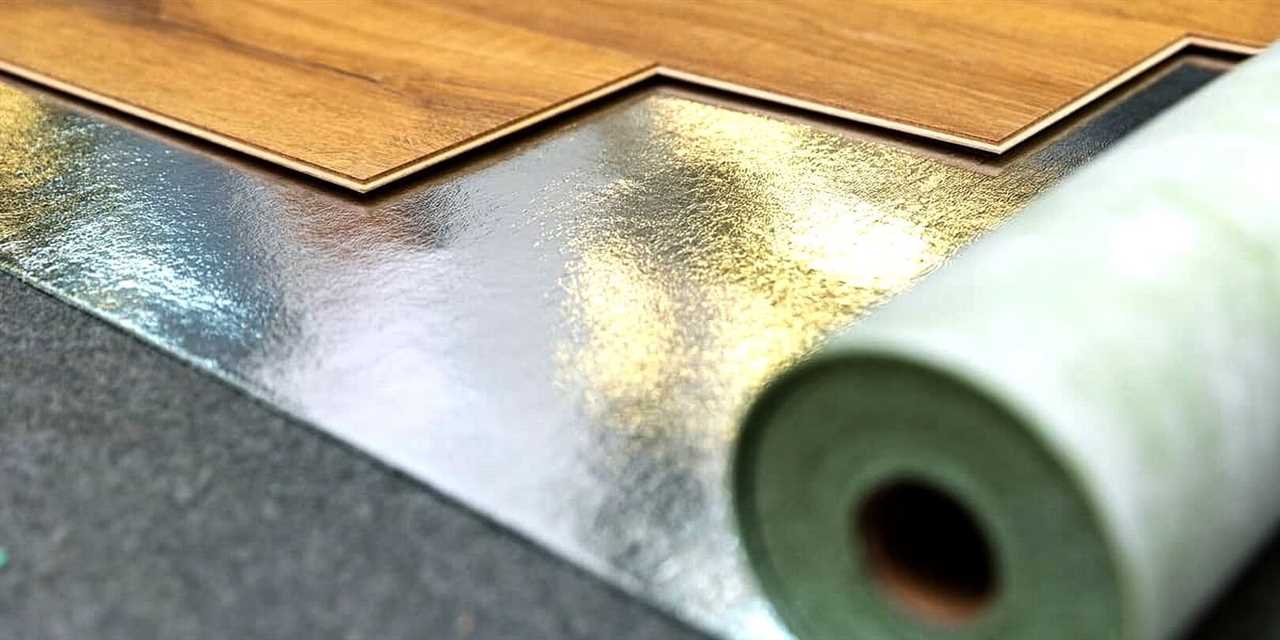
- Floor Protection: Foam underlayment provides an additional layer of protection for your hardwood floor. It acts as a cushion between the subfloor and the hardwood, preventing any damage that may occur due to unevenness or imperfections in the subfloor.
- Subfloor Insulation: Foam underlayment helps in providing insulation to your hardwood floor. It helps in maintaining the temperature of the room by preventing heat loss through the subfloor. This can result in energy savings and a more comfortable living environment.
- Moisture Barrier: Foam underlayment acts as a moisture barrier, protecting your hardwood floor from any moisture that may seep through the subfloor. This is especially important in areas where moisture levels are high, such as basements or bathrooms. It helps in preventing the growth of mold and mildew, which can damage the wood and affect indoor air quality.
- Easy Installation: Foam underlayment is easy to install. It comes in rolls or sheets that can be easily cut and laid down on the subfloor. The lightweight nature of the foam makes it easy to handle and maneuver during the installation process. It can be installed by homeowners themselves, saving time and money on professional installation.
- Sound Absorption: Foam underlayment helps in reducing noise transmission between floors. It absorbs sound vibrations and prevents them from traveling to other areas of the house. This can be particularly beneficial in multi-story homes or apartments, where noise from footsteps or furniture movement can be a nuisance.
- Smooth Surface: Foam underlayment provides a smooth and even surface for the installation of hardwood flooring. It helps in reducing any imperfections or irregularities in the subfloor, resulting in a more professional and aesthetically pleasing installation.
- Compatibility with Wood: Foam underlayment is compatible with all types of hardwood flooring. It can be used with both solid and engineered wood, providing the same benefits in terms of protection and insulation.
- Cost-Effective: Foam underlayment is an affordable option for enhancing the performance and longevity of your hardwood floor. It offers a range of benefits at a relatively low cost, making it a cost-effective choice for homeowners.
Drawbacks of Foam Underlayment
While foam underlayment is a popular choice for hardwood floor installations, it does have some drawbacks that should be considered before making a decision. These drawbacks include:
- Lack of structural support: Foam underlayment does not provide any structural support to the floor. It is designed to act as a cushion and reduce noise, but it does not add any stability to the subfloor or prevent the movement of the hardwood floor.
- Potential for moisture buildup: Foam underlayment can trap moisture between the subfloor and the hardwood floor. This can lead to the growth of mold and mildew, which can damage the wood and create an unhealthy living environment.
- Less effective in high-moisture areas: In areas with high moisture levels, such as basements or bathrooms, foam underlayment may not be the best choice. It is not as resistant to moisture as other types of underlayment, such as plywood or cork.
- Reduced acoustical performance: While foam underlayment does help to reduce noise, it is not as effective as other types of underlayment, such as cork or rubber. If noise reduction is a priority, it may be worth considering alternative options.
- Less durable: Foam underlayment is not as durable as other types of underlayment, such as plywood or rubber. It can compress over time, especially in high-traffic areas, which can affect the stability and longevity of the hardwood floor.
It is important to weigh these drawbacks against the benefits of foam underlayment and consider the specific needs of your hardwood floor installation. Consulting with a professional can help you make the best decision for your project.
Cork Underlayment
Cork underlayment is a popular choice for hardwood floor installations due to its unique properties. Made from the bark of the cork oak tree, cork underlayment provides excellent insulation and moisture resistance, making it an ideal option for areas where moisture may be a concern.
One of the main benefits of cork underlayment is its ability to resist moisture. This is especially important in areas such as basements or bathrooms, where moisture can easily seep into the wood and cause damage. Cork underlayment acts as a barrier, preventing moisture from reaching the hardwood floor and protecting it from potential damage.
In addition to its moisture resistance, cork underlayment also provides excellent insulation. It helps to reduce noise transmission, making it a great choice for rooms where soundproofing is desired. The natural properties of cork, such as its ability to absorb vibrations, make it an effective sound barrier.
Cork underlayment is also easy to install. It can be glued down or floated over the subfloor, depending on the specific requirements of the installation. The flexibility of cork underlayment allows it to conform to uneven surfaces, providing a smooth and level base for the hardwood floor.
Overall, cork underlayment is a versatile and practical choice for hardwood floor installations. Its moisture resistance, insulation properties, and ease of installation make it an excellent option for a variety of applications.
Video:Choosing the Right Hardwood Floor Underlayment A Complete Guide
Solid Wood Floors vs Engineered Hardwood Floors: Which is Better for Your Home?
Beginner’s Guide to Engineered Wood Flooring
Choosing The Right Hardwood Flooring
Hardwood Floor Installation For Beginners – Ultimate Step-By-Step Guide

Hello, I am Beverly J. Sanders, the voice behind the diverse articles you come across on styves.co.za. My passion lies in exploring the nuances of home improvement and sharing tips that can help you transform your living space into a haven of comfort and style. From the latest trends in home decor to practical cleaning advice, I cover a broad spectrum of topics to cater to a wide variety of interests.
In my recent works, I have delved into the advantages of incorporating a horizontal Murphy bed into your home to save space without compromising on design and functionality. I also explored the benefits of having a free-standing electric fireplace that not only adds warmth to your home but also brings a sleek and modern design to any living space. My articles are a rich resource, offering insights into different products and home improvement strategies that can enhance the quality of your life.
I believe in the power of details; a belief that reflects in my comprehensive guides where I discuss even the overlooked aspects of home decor, such as the impact of baseboard trim in enhancing the overall look and feel of your home. I am constantly on the lookout for innovative solutions and products that can add value to your home and life.
Join me in my exploration as I continue to bring you the latest trends, tips, and insights in the home improvement world. Let’s create a home that is not just a place to live, but a reflection of style and personality.