Contents
Discover the Beauty of Winter Trees A Guide to the Majestic Trees of the Winter Season

As the gloomy winter days settle in and the snow blankets the landscape, the world becomes a silent and serene place. Amidst this quietude, one can find solace in the beauty of winter trees. These majestic giants stand tall and proud, their branches reaching towards the sky, as if trying to touch the clouds. Despite the barren and bare appearance, there is an undeniable charm to these cold-weather companions.
Winter trees, with their stark and naked branches, create a striking contrast against the white backdrop of snow. The absence of leaves allows one to appreciate the intricate patterns and shapes formed by the branches. Each twist and turn tells a story of resilience and adaptation to the harsh winter conditions. These trees become a living testament to the cycle of life, shedding their leaves in preparation for the cold chill that winter brings.
While the cold may deter some from venturing outdoors, those who brave the elements are rewarded with a sight to behold. The branches of winter trees, coated in frost or dusted with snow, glisten in the sunlight, creating a magical atmosphere. The soft hues of white and blue merge together, transforming the landscape into a winter wonderland. It is during these moments that one can truly appreciate the beauty and tranquility of nature.
So, next time you find yourself longing for the warmth of spring, take a moment to admire the beauty of winter trees. Their silent presence serves as a reminder of the strength and resilience that lies within each of us. Embrace the cold and venture into the winter wonderland, for you never know what hidden treasures await among the branches of these majestic trees.
The Importance of Winter Trees

During the winter season, when the world is covered in frost and the ground is barren, trees stand tall and bare, their branches reaching towards the sky. In this silent and cold season, trees play a vital role in providing shelter, food, and beauty.
One of the main reasons why winter trees are important is their ability to provide shelter for wildlife. Despite the chill in the air, many animals find refuge in the branches and hollows of trees. Birds, squirrels, and other creatures build nests and seek warmth in the nooks and crannies of these majestic structures. The branches of winter trees also offer protection from predators, allowing animals to feel safe and secure.
Winter trees also play a crucial role in the environment by acting as natural air purifiers. Through a process called transpiration, trees release moisture into the air, helping to increase humidity levels. This moisture can help alleviate the dryness and discomfort caused by the cold winter air. Additionally, trees trap dust and pollutants, improving air quality and creating a healthier environment for both humans and wildlife.
Furthermore, the barren beauty of winter trees adds a touch of elegance to the otherwise gloomy landscape. Their stark branches and delicate silhouettes create a sense of serenity and tranquility. Winter trees have inspired countless artists and poets, who have captured their essence in paintings, photographs, and written works. They serve as a reminder of the cycle of life and the resilience of nature.
In conclusion, winter trees are not just silent observers of the cold season. They play a vital role in providing shelter, purifying the air, and adding beauty to the winter landscape. So, next time you find yourself surrounded by the chill of winter, take a moment to appreciate the importance and majesty of these remarkable trees.
The Role of Winter Trees in the Ecosystem

In the winter season, when the ground is covered in snow and the air is cold, the branches of trees stand silently against the barren landscape. Despite the chill and gloomy atmosphere, winter trees play a vital role in the ecosystem.
During the winter, when most other plants have shed their leaves and are dormant, trees provide shelter and protection for various animals. The branches and trunks of trees create a network of hiding places, allowing birds and small mammals to find refuge from the harsh weather.
Winter trees also contribute to the overall health of the ecosystem by reducing soil erosion. The roots of trees hold the soil in place, preventing it from being washed away by winter rains or melting snow. This helps to maintain the stability of the landscape and prevents the loss of valuable topsoil.
Furthermore, winter trees provide important food sources for animals. Many tree species produce seeds or fruits that remain on the branches throughout the winter. These food sources are vital for birds and small mammals, helping them to survive during the cold months when other food may be scarce.
In addition to providing shelter and food, winter trees also have a significant impact on the overall aesthetic of the landscape. Despite being bare and seemingly lifeless, the skeletal silhouettes of trees against a snowy backdrop create a unique and beautiful scene. The stark contrast between the white snow and dark branches can be visually striking and evoke a sense of tranquility and serenity.
In conclusion, although winter trees may appear lifeless and barren, they play a crucial role in the ecosystem. From providing shelter and food for animals to reducing soil erosion and adding beauty to the landscape, winter trees are an essential part of the winter season.
The Significance of Winter Trees in Landscaping
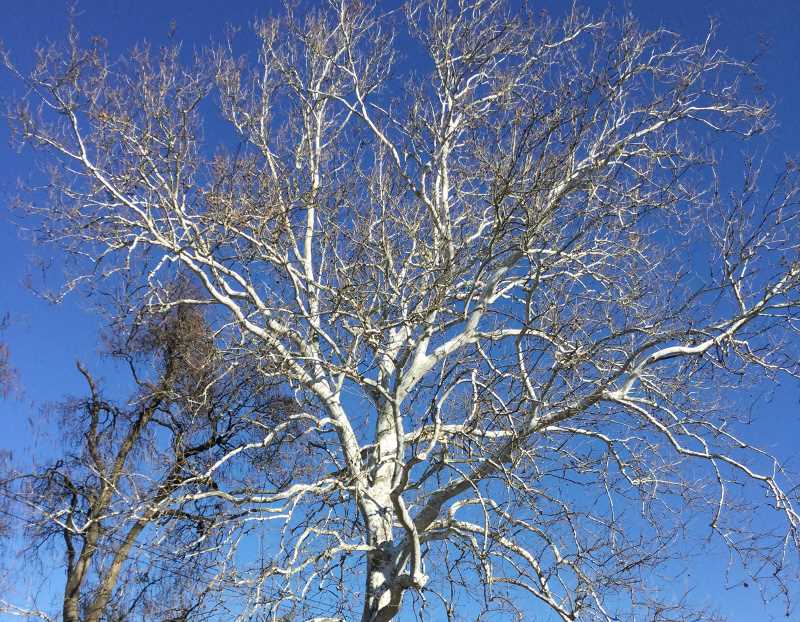
Winter trees play a silent yet significant role in landscaping. While the winter season may seem gloomy and chill, these bare branches can add a unique beauty to the landscape. The barren trees covered in frost and snow create a serene and peaceful atmosphere.
One of the main advantages of winter trees in landscaping is their ability to create a strong focal point. With their stark appearance, they stand out against the white backdrop of snow, drawing attention and adding depth to the landscape.
Winter trees also provide structure and form to the landscape. The bare branches create interesting patterns against the sky, adding visual interest to the scene. Their skeletal silhouette adds a sense of drama and elegance to the overall design.
In addition to their aesthetic value, winter trees serve practical purposes as well. They can act as windbreaks, reducing the impact of cold winter winds on surrounding areas. The dense branches can also provide shelter for wildlife, offering a refuge for birds and small animals during the harsh winter months.
When it comes to landscaping, incorporating winter trees into the design can be done in various ways. Planting evergreen trees, such as pine or spruce, can provide year-round foliage and color. Deciduous trees with interesting branch structures, such as birch or oak, can also be strategically placed to create focal points and add visual interest.
When designing with winter trees, it is important to consider their growth habits and size. Some trees may grow too large for a specific area, while others may have specific soil or light requirements. Consulting with a professional landscaper or arborist can help ensure that the chosen trees are suitable for the specific landscape and climate.
| Benefits | Description |
|---|---|
| Strong focal point | Winter trees stand out against the white backdrop of snow, drawing attention and adding depth to the landscape. |
| Structure and form | The bare branches create interesting patterns against the sky, adding visual interest to the scene. |
| Practical purposes | Winter trees can act as windbreaks and provide shelter for wildlife. |
In conclusion, winter trees have a significant role in landscaping. Their silent presence adds beauty, structure, and practicality to the winter landscape. By carefully selecting and placing these trees, a landscape can transform into a serene and captivating winter wonderland.
Types of Winter Trees

Winter is a season known for its frosty and gloomy weather. The cold temperatures and lack of sunlight can make the landscape appear barren and lifeless. However, there are several types of trees that thrive in the winter season, adding beauty and interest to the otherwise chill and silent surroundings.
1. Evergreen Trees
Evergreen trees are known for their ability to retain their green leaves or needles throughout the year. These trees provide a stark contrast to the snow-covered landscape, as their branches remain full and vibrant. Some common types of evergreen trees include pine, spruce, and fir trees.
2. Birch Trees
Birch trees are easily recognized by their distinctive white bark. In the winter, when the leaves have fallen, the bright white bark stands out against the snowy backdrop. These trees also have delicate branches that create an elegant silhouette against the winter sky.
3. Oak Trees
While oak trees are typically associated with lush green foliage in the spring and summer, they also have a unique beauty in the winter. The bare branches of oak trees create intricate patterns against the sky, and the dried leaves that cling to the branches add texture and interest.
4. Willow Trees
Willow trees are known for their graceful and drooping branches, which become even more pronounced in the winter. These trees often retain their leaves throughout the season, creating a soft and delicate contrast to the cold and harsh environment.
5. Maple Trees
Maple trees are famous for their vibrant autumn foliage, but they also have a distinct beauty in the winter. The branches of maple trees have a unique structure that adds interest to the barren winter landscape. Additionally, the dried leaves that remain on the branches create a warm and rustic feel.
6. Dogwood Trees
Dogwood trees are known for their stunning flowers in the spring, but they also have a captivating appearance in the winter. These trees have vibrant red or yellow branches that create a striking contrast against the snow. The bright colors of the dogwood trees bring life and vibrancy to the otherwise muted winter landscape.
In conclusion, while winter may be a season of cold and silence, the different types of winter trees bring beauty and interest to the surroundings. Whether it’s the evergreen trees that retain their vibrant green leaves or the birch trees with their white bark, each tree adds its own unique charm to the winter landscape.
Evergreen Trees: Symbols of Resilience in the Cold

Winter can be a frosty and gloomy season, with bare branches and snow-covered landscapes. However, amidst the chill and cold, evergreen trees stand tall and vibrant, serving as symbols of resilience and endurance.
Unlike deciduous trees that shed their leaves in the winter, evergreen trees retain their foliage throughout the year. This characteristic allows them to maintain their green color, even in the barren winter months. Their lush greenery provides a stark contrast against the bare and lifeless surroundings, adding a touch of vibrancy to the cold landscape.
Evergreen trees are well-adapted to withstand the harsh conditions of winter. Their needle-like leaves or scale-like foliage helps to minimize water loss and protect them from freezing temperatures. The waxy coating on their leaves also acts as a barrier against moisture loss, ensuring their survival during the cold and dry winter months.
These resilient trees are often associated with strength and longevity. Their ability to thrive in challenging environments serves as a reminder of the importance of perseverance and adaptability. Just like evergreen trees, we too can find strength and resilience within ourselves, even when faced with difficult circumstances.
Evergreen trees also play a vital role in the ecosystem during winter. Their dense foliage provides shelter and protection for various bird species and small animals, offering them a refuge from the cold and harsh weather. Additionally, the presence of evergreen trees helps to regulate the temperature and humidity levels in the surrounding area, creating a more comfortable environment for other plant species to thrive.
In conclusion, evergreen trees are not just beautiful to look at, but they also serve as symbols of resilience and endurance in the cold winter months. Their ability to retain their green foliage and withstand the harsh conditions of winter is truly remarkable. So, the next time you come across an evergreen tree, take a moment to appreciate its strength and beauty, and let it serve as a reminder of our own resilience in the face of adversity.
Deciduous Trees: A Stunning Display of Changing Colors

During the winter season, when the landscape is often bare and covered in frost and snow, deciduous trees provide a stunning display of changing colors. As their leaves fall, the branches of these trees become the focal point, revealing their intricate structures against the barren backdrop.
Despite the chill and cold, deciduous trees stand tall and silent, their branches reaching towards the sky. The absence of leaves allows for a clear view of the intricate patterns created by the branches, showcasing the tree’s unique character.
As winter progresses, the branches of deciduous trees may become covered in a delicate layer of frost, adding a touch of magic to their already captivating appearance. The frost glistens in the sunlight, creating a shimmering effect that is truly mesmerizing.
One of the most captivating aspects of deciduous trees in winter is their ability to change colors. Some species, such as the maple tree, display a vibrant array of reds, oranges, and yellows, while others, like the oak tree, showcase shades of brown and copper.
Walking through a forest of deciduous trees in winter is like stepping into a painting. The colors create a breathtaking spectacle that is both calming and invigorating. Each tree tells its own story, with its unique combination of colors and patterns.
Whether you choose to explore a forest or simply admire a single tree in your backyard, take a moment to appreciate the beauty of deciduous trees in winter. Their stunning display of changing colors is a reminder of the ever-changing nature of the seasons and the resilience of nature itself.
Coniferous Trees: Adding Texture and Structure to Winter Landscapes

During the winter season, when most deciduous trees are bare and the landscape appears barren and gloomy, coniferous trees stand tall and proud, adding texture and structure to the cold and snowy surroundings. These evergreen trees, with their needle-like leaves and cone-bearing branches, bring life to the otherwise silent winter scenery.
Coniferous trees are well-adapted to withstand the chill and cold of winter. Their needle-like leaves help to reduce water loss and protect them from freezing temperatures. This adaptation allows them to retain their green color throughout the year, providing a stark contrast to the white snow-covered ground.
One of the most fascinating features of coniferous trees is their ability to carry a heavy load of snow on their branches. The dense structure of their branches and the flexibility of their needles allow them to withstand the weight of the snow, creating a picturesque scene that is both serene and breathtaking.
These trees also provide shelter and food for various animals during the winter months. The dense branches of coniferous trees offer protection from the harsh elements, while the cones provide a source of food for birds and small mammals.
When planning a winter landscape, coniferous trees should be given careful consideration. Their unique beauty and ability to withstand the cold make them an excellent choice for adding structure and texture to any winter garden or park.
| Tree Name | Scientific Name |
|---|---|
| Pine | Pinus |
| Spruce | Picea |
| Fir | Abies |
| Cedar | Cedrus |
Whether you choose a majestic pine, a graceful spruce, a noble fir, or a sturdy cedar, coniferous trees are sure to enhance the beauty of any winter landscape. Their presence brings a sense of tranquility and resilience, reminding us of the enduring power of nature even in the harshest of seasons.
Winter Tree Care and Maintenance

During the cold winter months, trees face a variety of challenges. The chill in the air and the bare, barren branches can make it difficult for trees to thrive. However, with proper care and maintenance, you can help your trees survive the winter and ensure their health for the coming seasons.
1. Protecting from Frost and Snow:
- Wrap the trunks of young trees with burlap or tree wrap to protect them from frost and snow.
- Apply a layer of mulch around the base of the tree to insulate the roots and protect them from extreme temperatures.
- Remove snow from the branches gently using a broom or your hands. Be careful not to shake the branches too vigorously, as this can cause damage.
2. Pruning:
- Prune dead or damaged branches before winter to prevent them from falling during storms and causing injury or damage.
- Remove any branches that are crossing or rubbing against each other, as this can lead to damage and disease.
- Trim back any branches that are close to power lines or buildings to prevent accidents and damage.
3. Watering:
- Keep an eye on the moisture levels in the soil around your trees. Even though it’s winter, they still need water to survive.
- Water your trees deeply, but infrequently, to encourage deep root growth and prevent shallow root systems.
- Avoid overwatering, as this can lead to root rot and other diseases.
4. Protecting from Wildlife:
- Wrap the trunks of young trees with wire mesh or plastic guards to protect them from hungry animals looking for food.
- Hang reflective objects or wind chimes from the branches to deter birds from landing and potentially damaging the tree.
- Consider using deer repellents or other deterrents to keep wildlife away from your trees.
5. Monitoring for Diseases and Pests:
- Regularly inspect your trees for signs of diseases, such as cankers, discoloration, or unusual growth patterns.
- Check for any pests, such as aphids or scale insects, that may be feeding on the tree’s branches or leaves.
- If you notice any issues, consult a professional arborist or horticulturist for advice on treatment options.
By following these care and maintenance tips, you can help your trees withstand the gloomy winter season and ensure their health and beauty for years to come.
Pruning and Shaping Winter Trees

During the chilly winter months, when the world around us becomes silent and cold, our attention is often drawn to the trees that stand tall and majestic. Winter is a gloomy season, with bare and barren landscapes, but the frost-covered branches of winter trees add a touch of beauty to the otherwise desolate scenery.
Pruning and shaping winter trees is an essential task for any arborist or tree enthusiast. It not only helps maintain the health and structural integrity of the trees but also enhances their aesthetic appeal. Here are some tips for pruning and shaping winter trees:
- Inspect the tree: Before starting any pruning or shaping, carefully examine the tree to identify any dead or damaged branches. These branches should be removed to prevent any potential hazards.
- Prune for structure: Winter is an ideal time to prune trees for structural purposes. By removing crossed or rubbing branches, you can improve the overall shape and stability of the tree.
- Consider the tree’s natural form: When shaping winter trees, it is important to work with the tree’s natural form and growth pattern. Avoid excessive pruning that can harm the tree or give it an unnatural appearance.
- Prune for aesthetics: Pruning can also be done to enhance the visual appeal of the tree. By selectively removing branches, you can create an open canopy that allows sunlight to penetrate and highlight the tree’s unique features.
- Use proper pruning techniques: When pruning winter trees, it is crucial to use the correct tools and techniques. Make clean cuts just outside the branch collar, and avoid leaving stubs or damaging the bark.
Remember, pruning and shaping winter trees should be done with caution and care. It is always advisable to seek professional advice or assistance if you are unsure about the process. By following these guidelines, you can ensure that your winter trees remain healthy, beautiful, and resilient throughout the cold season.
Protecting Winter Trees from Cold Weather Damage

Winter is a cold and snowy season, with silent and chill winds blowing through the landscape. During this time, trees are left in a barren and gloomy state, with their branches bare and vulnerable to damage. It is important to protect winter trees from the harsh conditions to ensure their health and survival.
Here are some tips to help you protect your winter trees:
- Wrap the trunks: Wrapping the trunks of young trees with burlap or tree wrap can provide insulation and protect them from freezing temperatures. This will help prevent frost cracks and other damage.
- Prune with caution: While pruning is typically done in late winter or early spring, it is important to be cautious when pruning during the winter. Avoid pruning during periods of extreme cold, as this can stress the trees further.
- Apply mulch: Applying a layer of mulch around the base of the tree can help insulate the roots and retain moisture. This will also protect the tree from temperature fluctuations and reduce the risk of frost heaving.
- Water adequately: Even though it may be cold, it is important to water your trees during the winter. Trees still need moisture, especially evergreens, to survive the dry winter months. Water deeply but infrequently to prevent overwatering.
- Protect from salt: Salt used for de-icing roads and sidewalks can be harmful to trees. Avoid piling snow containing salt near trees and consider using alternatives, such as sand or kitty litter, for traction on walkways.
By taking these steps to protect your winter trees, you can ensure their health and beauty throughout the cold season. Remember, a little care goes a long way in preserving the majestic trees that bring life and color to our winter landscapes.
Video:Discover the Beauty of Winter Trees A Guide to the Majestic Trees of the Winter Season
Bob Ross – Frozen Beauty in Vignette (Season 23 Episode 11)

Hello, I am Beverly J. Sanders, the voice behind the diverse articles you come across on styves.co.za. My passion lies in exploring the nuances of home improvement and sharing tips that can help you transform your living space into a haven of comfort and style. From the latest trends in home decor to practical cleaning advice, I cover a broad spectrum of topics to cater to a wide variety of interests.
In my recent works, I have delved into the advantages of incorporating a horizontal Murphy bed into your home to save space without compromising on design and functionality. I also explored the benefits of having a free-standing electric fireplace that not only adds warmth to your home but also brings a sleek and modern design to any living space. My articles are a rich resource, offering insights into different products and home improvement strategies that can enhance the quality of your life.
I believe in the power of details; a belief that reflects in my comprehensive guides where I discuss even the overlooked aspects of home decor, such as the impact of baseboard trim in enhancing the overall look and feel of your home. I am constantly on the lookout for innovative solutions and products that can add value to your home and life.
Join me in my exploration as I continue to bring you the latest trends, tips, and insights in the home improvement world. Let’s create a home that is not just a place to live, but a reflection of style and personality.