Contents
Mastering the Art of the Paint Stroke Tips Techniques and Inspiration
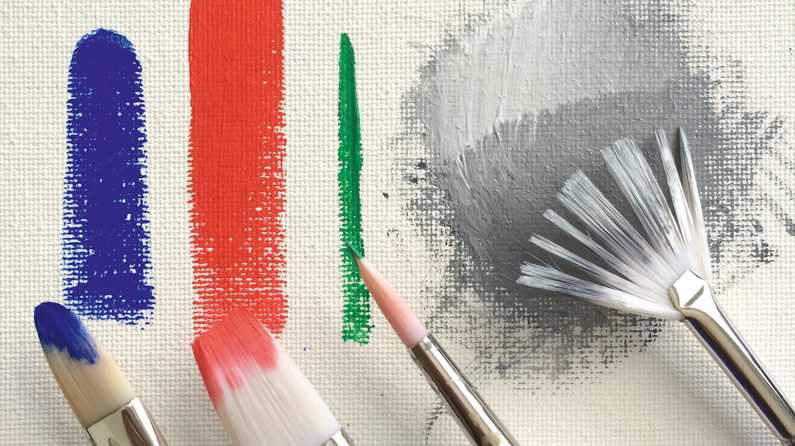
Painting is a creative expression that allows artists to bring their imagination to life on a canvas. One of the fundamental elements of painting is the stroke – the way the brush interacts with the surface to create texture, depth, and emotion. Whether it’s a bold and confident stroke or a delicate and subtle one, each mark made on the canvas contributes to the overall composition and message of the artwork.
Abstract painting, in particular, relies heavily on the stroke as a means of communication. With abstract art, the focus is not on realistic representation, but rather on the use of color, shape, and texture to evoke emotions and perceptions. The stroke becomes a language of its own, allowing the artist to convey their thoughts and feelings through the movement and application of paint.
Mastering the art of the paint stroke involves understanding the different techniques and tools available. Acrylic paint, for example, offers versatility and vibrant color options, making it a popular choice among artists. The brush itself also plays a crucial role – from the size and shape to the bristle type, each brush can create a unique stroke and texture.
Color selection is another important aspect of mastering the paint stroke. The combination of colors can evoke different moods and emotions, and artists often experiment with various palettes to achieve the desired effect. Whether it’s a harmonious blend of warm tones or a bold contrast of complementary colors, the stroke can enhance the overall impact of the artwork.
Ultimately, mastering the art of the paint stroke requires practice, experimentation, and inspiration. Artists can draw inspiration from various sources – nature, music, emotions, or other artworks – and use that inspiration to develop their own unique style and approach. By honing their stroke techniques, artists can create captivating and expressive paintings that resonate with viewers on a deep and personal level.
Exploring the World of Paint Stroke
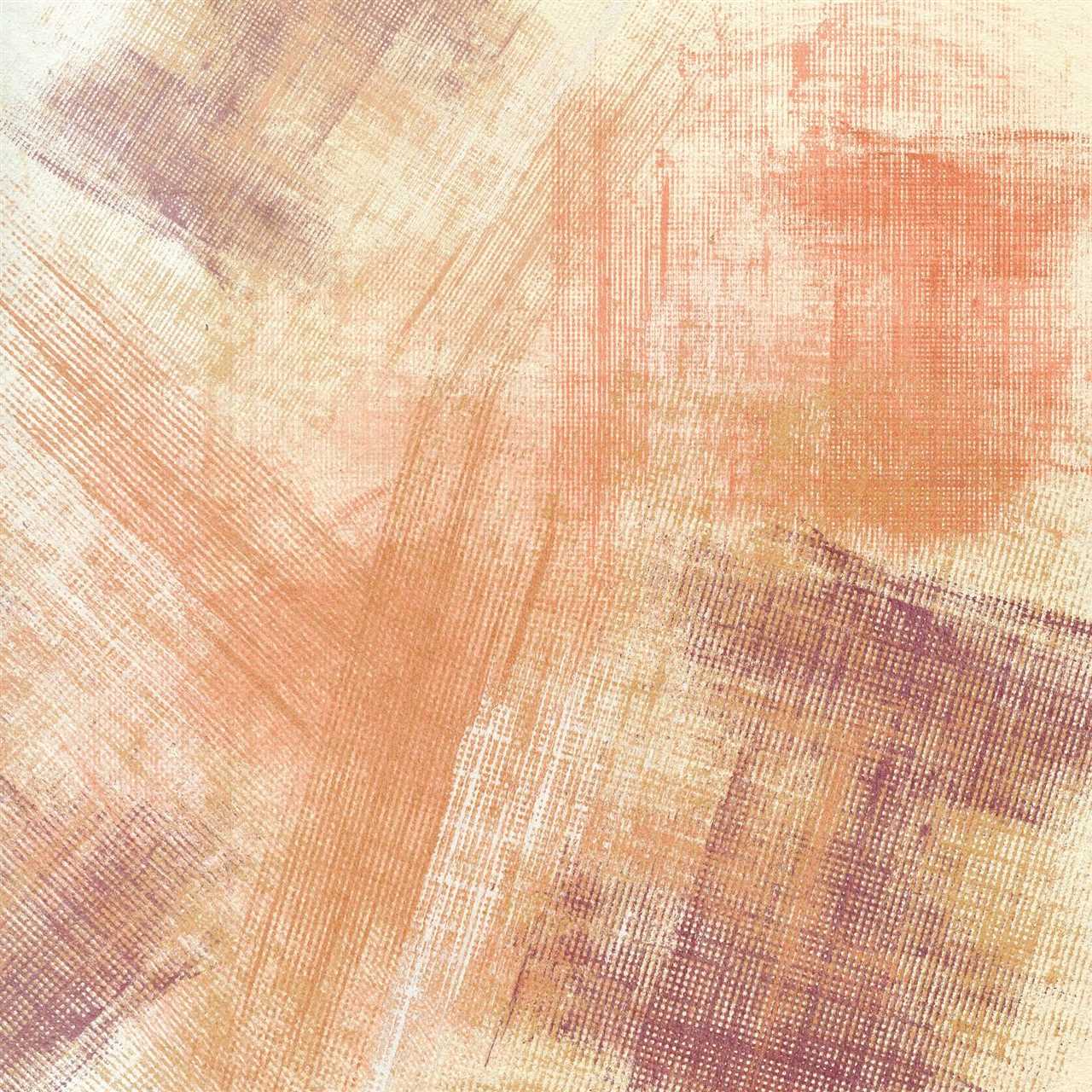
Paint stroke is an essential element in the world of painting. It is a technique used to apply color to a canvas using a brush or any other painting tool. Each stroke can vary in length, direction, and pressure, creating a unique texture and visual effect.
The choice of color is crucial in paint stroke. Different colors can evoke different emotions and set the mood of the painting. Artists often experiment with various color combinations to create harmonious or contrasting effects.
The brush plays a significant role in the paint stroke technique. The type of brush used can affect the texture and thickness of the stroke. Some brushes are designed for detailed work, while others are better suited for broad and bold strokes.
Paint stroke can be used in various painting styles, from realistic to abstract. In realistic paintings, strokes are often used to depict the texture of objects, such as the roughness of tree bark or the softness of petals. In abstract paintings, strokes can be more expressive and spontaneous, creating a sense of movement and energy.
Acrylic paint is a popular choice for paint stroke technique due to its versatility and quick drying time. It allows artists to layer strokes and create different effects by blending or layering colors. The texture of acrylic paint can range from smooth and glossy to thick and impasto.
The canvas is the surface on which paint strokes are applied. It can be stretched over a wooden frame or mounted on a board. The choice of canvas can affect the overall feel of the painting. A smooth canvas allows for smooth and precise strokes, while a textured canvas can add depth and interest to the artwork.
Abstract paintings often explore the world of paint stroke. Artists use bold and expressive strokes to convey emotions and ideas without representing recognizable objects. The freedom of abstraction allows for experimentation and the exploration of different paint stroke techniques.
In conclusion, paint stroke is a fundamental technique in painting that allows artists to express their creativity and convey emotions through color, brush, and texture. Whether it’s a realistic depiction or an abstract exploration, paint stroke adds depth and interest to the artwork, making it a vital element in the world of painting.
Understanding the Basics
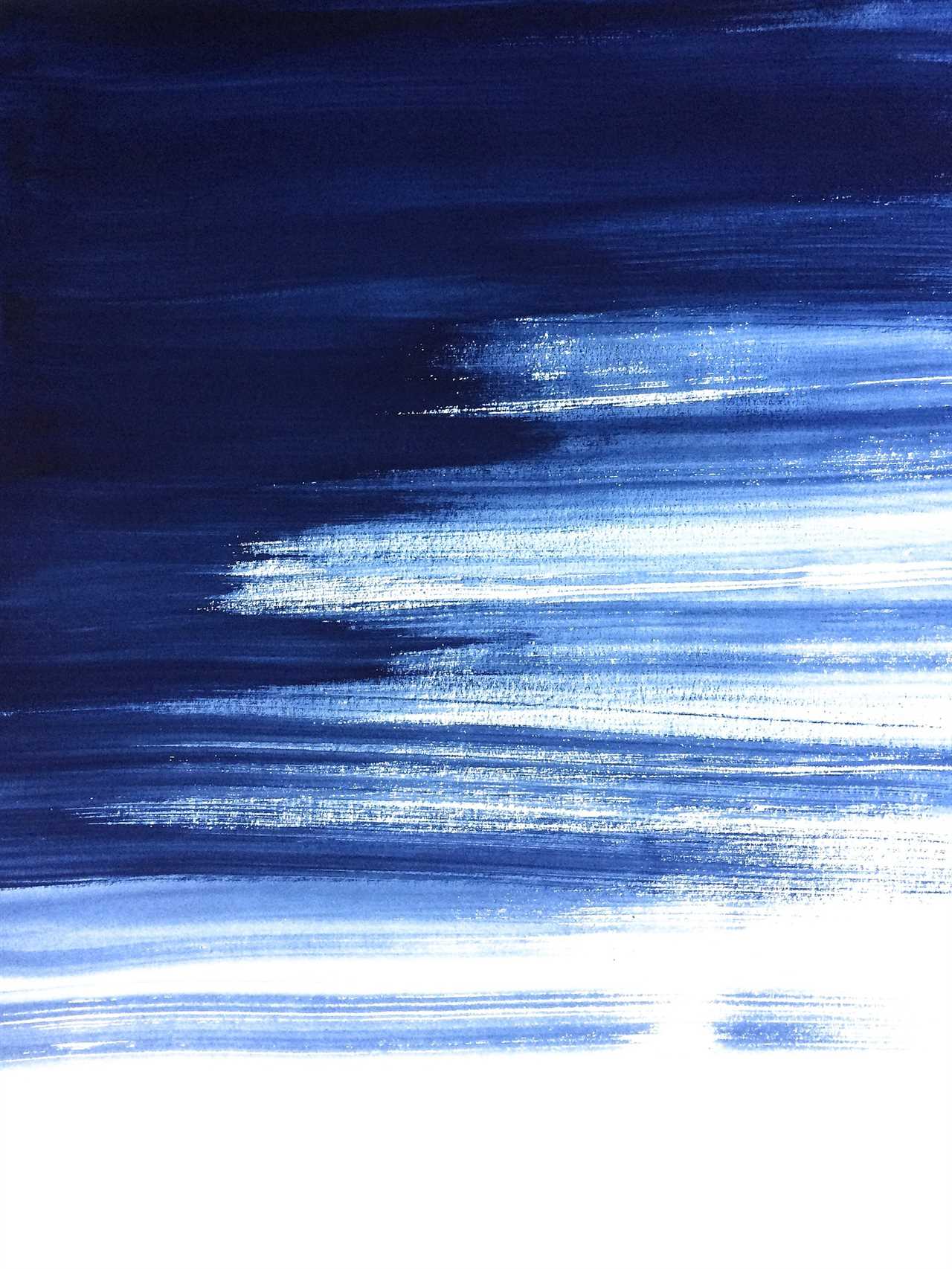
Texture: Texture is an essential element in painting. It refers to the physical quality of the surface of a painting, which can be smooth, rough, or somewhere in between. The texture of a painting can add depth and interest to the artwork.
Brush: The brush is a tool used to apply paint to a canvas. There are various types of brushes, such as flat brushes, round brushes, and fan brushes, each with its own unique characteristics. The choice of brush can greatly affect the outcome of a painting.
Painting: Painting is the act of applying color to a surface, usually a canvas. It is a form of art that allows artists to express their creativity and emotions. Painting can be done using different mediums, such as acrylic, oil, or watercolor.
Canvas: The canvas is the surface on which a painting is created. It is typically made of cotton or linen and is stretched over a wooden frame. The canvas provides a stable and durable surface for the paint to adhere to.
Acrylic: Acrylic paint is a popular medium used by many artists. It is a fast-drying paint that can be diluted with water or mixed with other colors to create various effects. Acrylic paint is versatile and can be used to create both realistic and abstract paintings.
Art: Art is a creative expression that encompasses various forms, including painting. It allows individuals to communicate and convey their thoughts, emotions, and ideas visually. Art can be subjective and open to interpretation.
Stroke: A stroke refers to the movement of a brush or any other tool used to apply paint to a surface. It can be short, long, thick, thin, or textured. The stroke technique used by an artist can greatly impact the overall look and feel of a painting.
Abstract: Abstract art is a style of art that does not attempt to represent an accurate depiction of visual reality. It focuses on shapes, colors, forms, and gestural marks to achieve its effect. Abstract paintings can be open to interpretation and allow viewers to form their own meanings.
Choosing the Right Tools
When it comes to mastering the art of the paint stroke, choosing the right tools is essential. The canvas, colors, brushes, and other materials you use can greatly impact the outcome of your artwork. Here are some tips to help you choose the right tools:
- Canvas: The canvas you choose will determine the texture and surface of your painting. Consider the type of art you are creating and the desired effect. A smooth canvas is ideal for detailed work, while a textured canvas can add dimension and interest to abstract paintings.
- Colors: The color palette you select will set the mood and tone of your painting. Experiment with different color combinations to create harmony or contrast. Consider the emotions you want to evoke and choose colors that reflect those feelings.
- Brushes: The type of brush you use will affect the texture and stroke of your painting. Different brushes have different bristle types and shapes. A flat brush is great for creating bold strokes, while a round brush is perfect for adding fine details.
- Art Medium: Consider the type of art medium you will be working with. Acrylic paints dry quickly and are versatile, while oil paints have a longer drying time and allow for blending and layering. Watercolors are transparent and can create beautiful washes of color.
Remember, the right tools can inspire and enhance your painting. Experiment with different materials and techniques to find what works best for you. With practice and exploration, you will develop your own unique style and master the art of the paint stroke.
Exploring Different Types of Paint Stroke
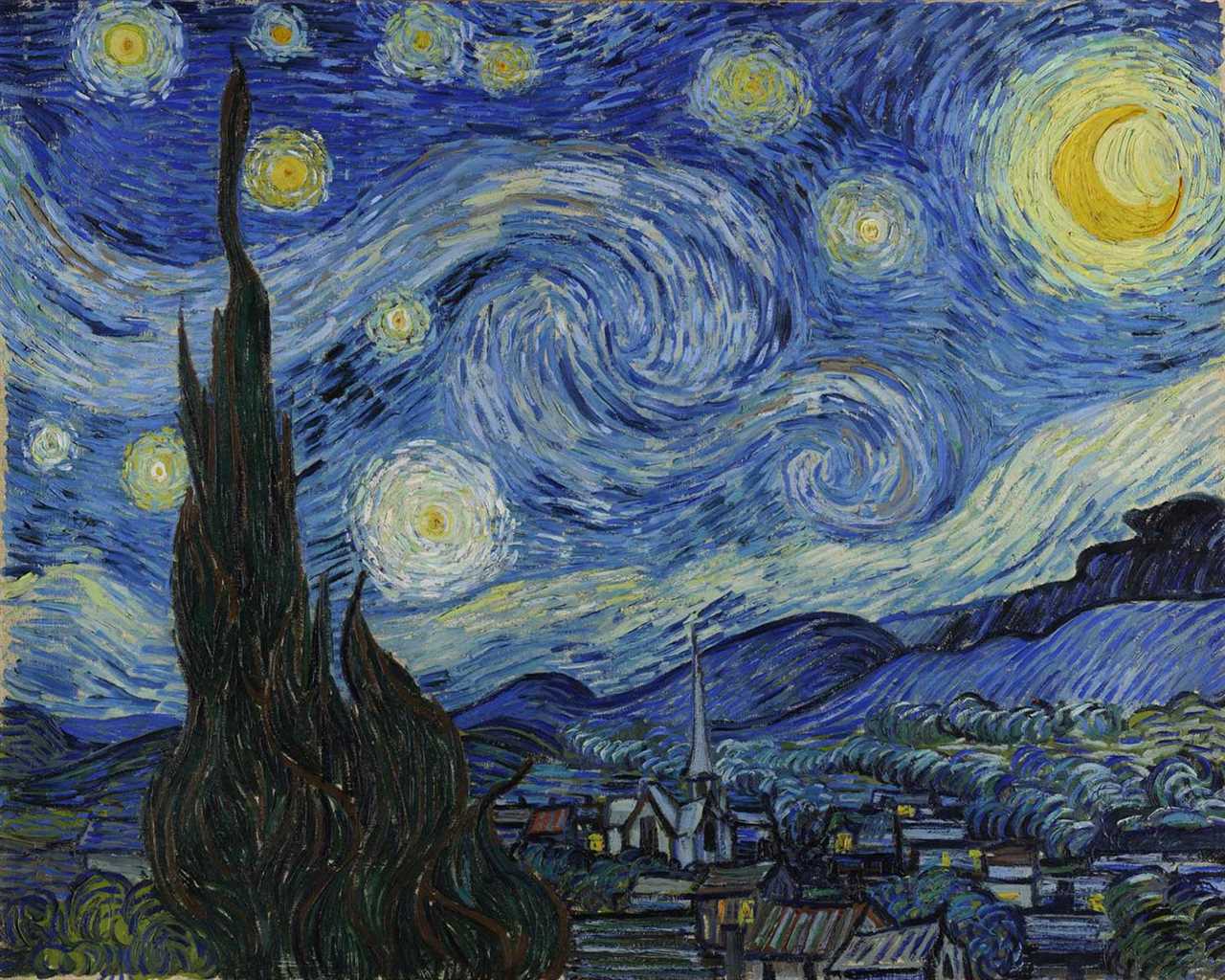
When it comes to painting, the brush stroke is an essential element that can greatly impact the overall look and feel of a piece. Different types of brush strokes can create various effects and textures on the canvas, allowing artists to express their creativity and style. Whether you’re creating abstract art or painting a realistic landscape, understanding and mastering different paint stroke techniques can elevate your artwork to new heights.
1. Flat Brush Stroke
The flat brush stroke is one of the most basic and versatile techniques in painting. It involves using a flat brush to create straight, even strokes on the canvas. This type of stroke is ideal for creating smooth and controlled lines, as well as filling in large areas with color.
2. Round Brush Stroke
The round brush stroke is characterized by its rounded shape, which allows for more flexibility and precision. This type of stroke is often used for creating fine details, such as delicate lines or intricate textures. It can also be used to blend colors together seamlessly.
3. Dry Brush Stroke
The dry brush stroke technique involves using a brush with very little paint and applying it in a quick, sweeping motion. This technique creates a rough and textured effect on the canvas, adding depth and dimension to the artwork. It is commonly used in impressionistic and abstract paintings.
4. Stippling
Stippling is a technique that involves creating small dots or marks on the canvas using a brush or other tools. By varying the size and density of the dots, artists can create a range of textures and effects, from soft and subtle to bold and dramatic.
5. Impasto
Impasto is a technique where thick layers of paint are applied to the canvas, creating a three-dimensional texture. This technique is often used to add depth and tactile quality to a painting. It is commonly associated with acrylic paints, as they have a quick drying time and can hold their shape well.
By experimenting with different types of paint stroke techniques, artists can discover new ways to express themselves and create unique and captivating artworks. Whether you prefer a smooth and controlled stroke or a bold and textured one, mastering the art of the paint stroke is an essential skill for any painter.
Mastering the Techniques
When it comes to mastering the art of the paint stroke, understanding and experimenting with different techniques is essential. The way you use color and brush strokes can greatly impact the overall look and feel of your artwork. Whether you’re working with acrylics or exploring the world of abstract painting, here are some techniques to consider:
- Blending: Blending colors together can create smooth transitions and gradients. This technique is often used in realistic paintings to create depth and dimension.
- Dry Brush: Using a dry brush with minimal paint can create a textured effect on the canvas. This technique is great for adding texture to surfaces or creating a rough, unfinished look.
- Wet-on-Wet: Applying wet paint on top of wet paint can create interesting and unpredictable effects. This technique is commonly used in abstract painting to create organic shapes and textures.
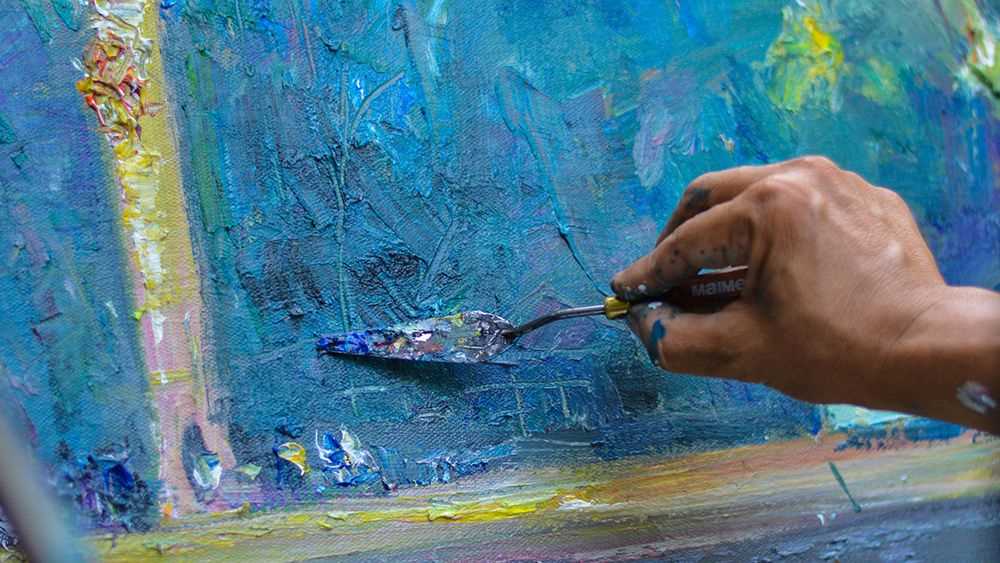
- Impasto: Applying thick layers of paint with a palette knife can create a three-dimensional texture on the canvas. This technique is often used in expressive and textured paintings.
- Glazing: Applying thin layers of translucent paint on top of dried layers can create a luminous effect. This technique is commonly used in oil painting to create a sense of depth and richness.
Remember, mastering these techniques takes practice and experimentation. Don’t be afraid to explore and try new things with your painting. Each technique can bring a unique element to your artwork and help you express your creativity.
Perfecting Brush Control
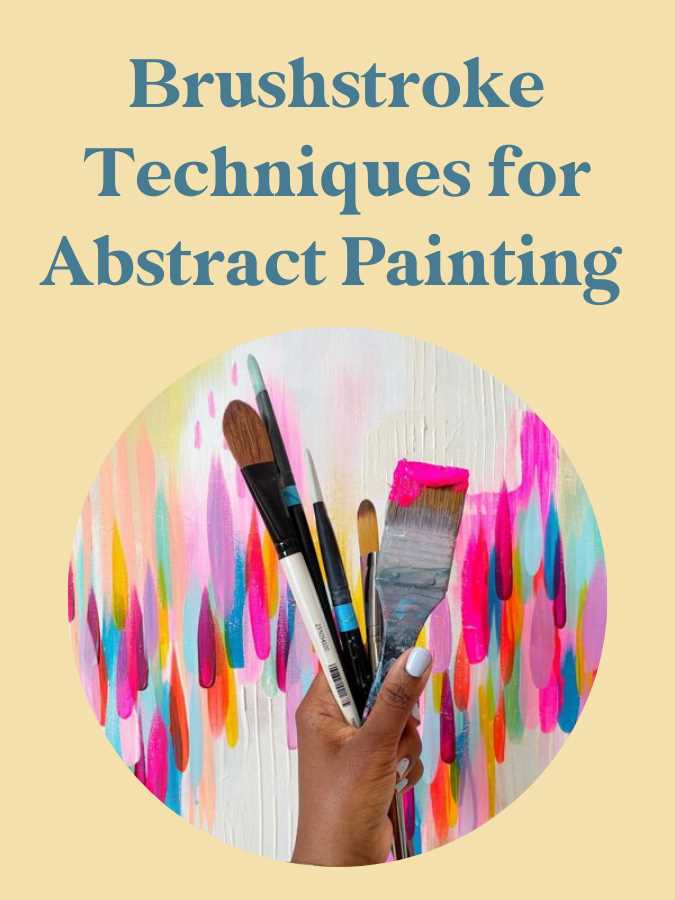
Mastering brush control is essential for any painter looking to create beautiful and expressive art. The way you handle your brush can greatly impact the outcome of your painting, from the colors and textures you achieve to the overall feel of your artwork. Here are some tips to help you perfect your brush control:
- Hold the brush correctly: Properly holding your brush is the first step towards achieving better control. Hold the brush near the base of the handle, allowing your fingers to guide the movement. Experiment with different grips to find what feels most comfortable for you.
- Practice different stroke techniques: Experiment with different stroke techniques to create different effects. Try using short, controlled strokes for fine details or long, sweeping strokes for a more fluid and expressive look. Varying the pressure and angle of your brush can also create interesting textures and patterns.
- Play with color: Brush control is not just about the physical movement of the brush, but also about how you manipulate color. Try blending different colors together on your brush before applying them to the canvas to create interesting gradients and transitions. You can also experiment with layering colors to add depth and dimension to your artwork.
- Experiment with different brushes: Different brushes have different bristle types, shapes, and sizes, which can greatly impact your brush control. Try experimenting with a variety of brushes to see which ones work best for you and the style of painting you want to achieve. A small round brush may be great for fine details, while a large flat brush can create bold and sweeping strokes.
- Study and learn from other artists: Look at the work of other artists and study how they use brush control in their paintings. Pay attention to the techniques they use and try to incorporate them into your own practice. Take inspiration from different art styles, whether it be realistic, impressionistic, or abstract, and adapt their techniques to suit your own style.
Remember, mastering brush control takes time and practice. Don’t be afraid to make mistakes and experiment with different techniques. The more you paint and explore, the more you will develop your own unique style and achieve greater control over your brush.
Creating Texture and Depth
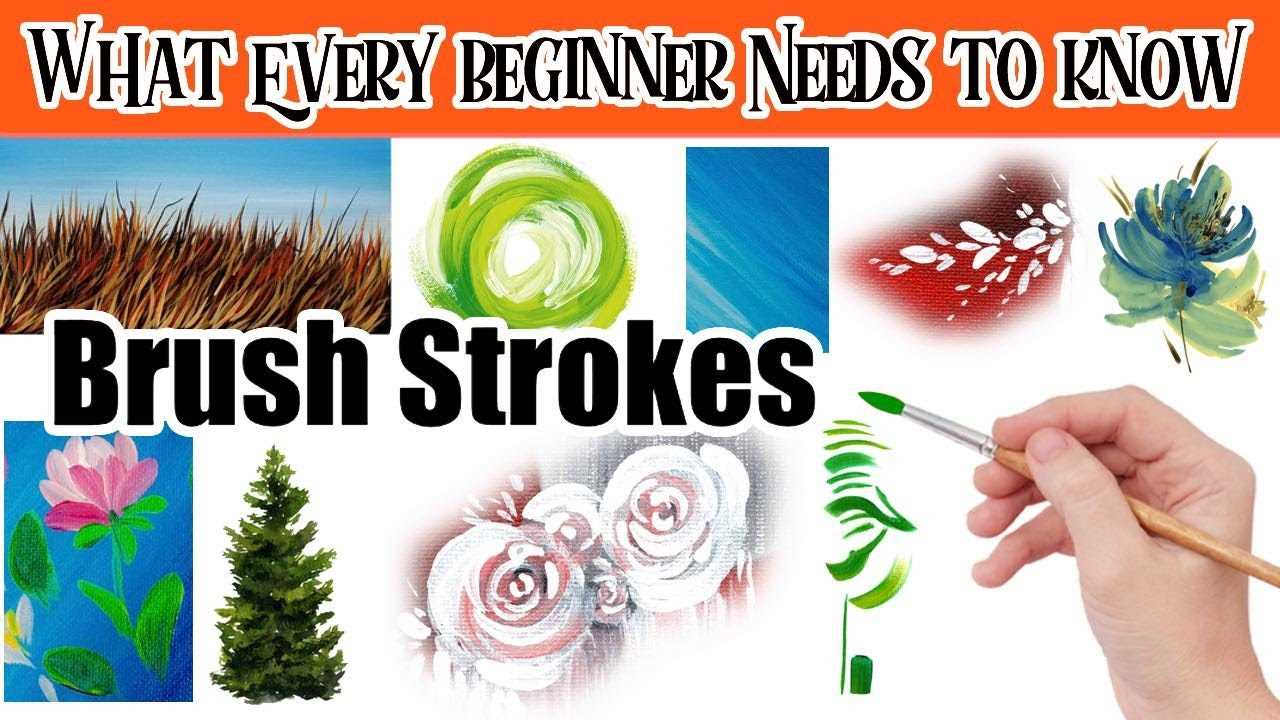
When it comes to abstract painting, one of the most important elements to consider is texture. Texture adds depth and interest to a painting, making it more visually appealing and engaging. Here are some tips and techniques to help you create texture and depth in your artwork.
1. Experiment with Different Brush Strokes
The type of brush stroke you use can greatly impact the texture of your painting. Try using different brushes and techniques to create a variety of strokes. Experiment with short, choppy strokes for a rough texture, or long, sweeping strokes for a smoother, more blended look.
2. Play with Colors
Colors can also contribute to the texture and depth of a painting. Use contrasting colors to create visual interest and make certain areas stand out. You can also layer different shades of the same color to add depth and dimension to your artwork.
3. Use a Palette Knife
A palette knife is a great tool for creating texture in a painting. You can use it to apply thick layers of paint, creating a three-dimensional effect. Experiment with different angles and pressures to achieve the desired texture.
4. Incorporate Mixed Media
Don’t be afraid to experiment with different materials to add texture to your painting. Consider incorporating elements like sand, fabric, or paper into your artwork. These materials can add an interesting tactile quality to your painting.
5. Work with Different Surfaces
While canvas is the most common surface for painting, don’t limit yourself to just one material. Try painting on wood, metal, or even textured paper to add unique textures and depth to your artwork.
| Material | Texture |
|---|---|
| Palette Knife | Thick and textured |
| Sand | Gritty and rough |
| Fabric | Soft and tactile |
| Paper | Textured and layered |
By experimenting with different brush strokes, colors, materials, and surfaces, you can create texture and depth in your abstract paintings. Remember that there are no rules in art, so don’t be afraid to get creative and try new techniques. The more you practice, the more you will develop your own unique style and create paintings that truly stand out.
Blending Colors Seamlessly
When it comes to painting, one of the key techniques to master is blending colors seamlessly. Whether you’re working on a canvas or using a brush stroke technique, the ability to seamlessly blend colors can take your artwork to the next level.
Blending colors is particularly important in abstract art, where the use of color is often the main focus. By seamlessly blending colors together, you can create depth, dimension, and visual interest in your artwork.
Here are some tips and techniques to help you achieve seamless color blending:
- Start with a color palette: Before you begin painting, plan out a color palette that includes a range of hues, shades, and tones. This will help you create a harmonious blend of colors in your artwork.
- Use a wet-on-wet technique: Wetting your canvas or brush before applying paint can help the colors blend together more smoothly. This technique is especially effective for creating soft, gradual transitions between colors.
- Layer colors: Instead of applying a single color directly to the canvas, try layering multiple colors on top of each other. This will create a richer, more complex blend of colors.
- Blend with a dry brush: Using a dry brush, gently blend the colors together by making small, circular motions. This will help create a seamless transition between colors without smudging or muddying the paint.
- Experiment with different brushes: Different brushes can create different textures and effects when blending colors. Try using brushes with different bristle types and shapes to achieve the desired blending effect.
Remember, practice makes perfect when it comes to blending colors seamlessly. Don’t be afraid to experiment and try new techniques to find the method that works best for you. With time and patience, you’ll be able to create stunning artwork that showcases your mastery of color blending.
Finding Inspiration
When it comes to painting, finding inspiration is crucial for creating a masterpiece on canvas. Inspiration can come from various sources and can be found in unexpected places. Here are some tips on how to find inspiration for your next painting:
- Observing Texture: Take a closer look at the world around you and notice the different textures that exist. Whether it’s the rough bark of a tree or the smooth surface of a river, texture can be a great source of inspiration for your brush strokes.
- Exploring Art Styles: Dive into the world of art and explore different styles and techniques. From abstract to realism, each art style offers unique ways to express yourself through painting. Experiment with different styles to find the one that resonates with you the most.
- Studying Famous Paintings: Study the works of famous painters and learn from their techniques. Analyze the brush strokes, color choices, and composition of their paintings to gain inspiration for your own artwork.
- Embracing Colors: Colors have the power to evoke emotions and set the mood of a painting. Pay attention to the colors that catch your eye in everyday life. Whether it’s the vibrant hues of a sunset or the subtle tones of a flower, let colors inspire your next painting.
- Experimenting with Brush Strokes: Play around with different brush strokes and techniques to create unique effects on your canvas. Whether it’s bold and expressive strokes or delicate and intricate details, the way you handle your brush can bring a new level of inspiration to your artwork.
Remember, inspiration can be found anywhere and everywhere. Keep an open mind and let the world around you fuel your creativity. Happy painting!
Video:Mastering the Art of the Paint Stroke Tips Techniques and Inspiration
3 Tips to make your ACRYLIC painting look more like OIL
BRUSHWORK Painting Tips for Artists ����(Oil Painting)
Mastering Brushstrokes (Trailer)
3 Techniques to Enrich Your Painting

Hello, I am Beverly J. Sanders, the voice behind the diverse articles you come across on styves.co.za. My passion lies in exploring the nuances of home improvement and sharing tips that can help you transform your living space into a haven of comfort and style. From the latest trends in home decor to practical cleaning advice, I cover a broad spectrum of topics to cater to a wide variety of interests.
In my recent works, I have delved into the advantages of incorporating a horizontal Murphy bed into your home to save space without compromising on design and functionality. I also explored the benefits of having a free-standing electric fireplace that not only adds warmth to your home but also brings a sleek and modern design to any living space. My articles are a rich resource, offering insights into different products and home improvement strategies that can enhance the quality of your life.
I believe in the power of details; a belief that reflects in my comprehensive guides where I discuss even the overlooked aspects of home decor, such as the impact of baseboard trim in enhancing the overall look and feel of your home. I am constantly on the lookout for innovative solutions and products that can add value to your home and life.
Join me in my exploration as I continue to bring you the latest trends, tips, and insights in the home improvement world. Let’s create a home that is not just a place to live, but a reflection of style and personality.