Contents
Peanut Seeds Growing Guide and Tips for Successful Cultivation
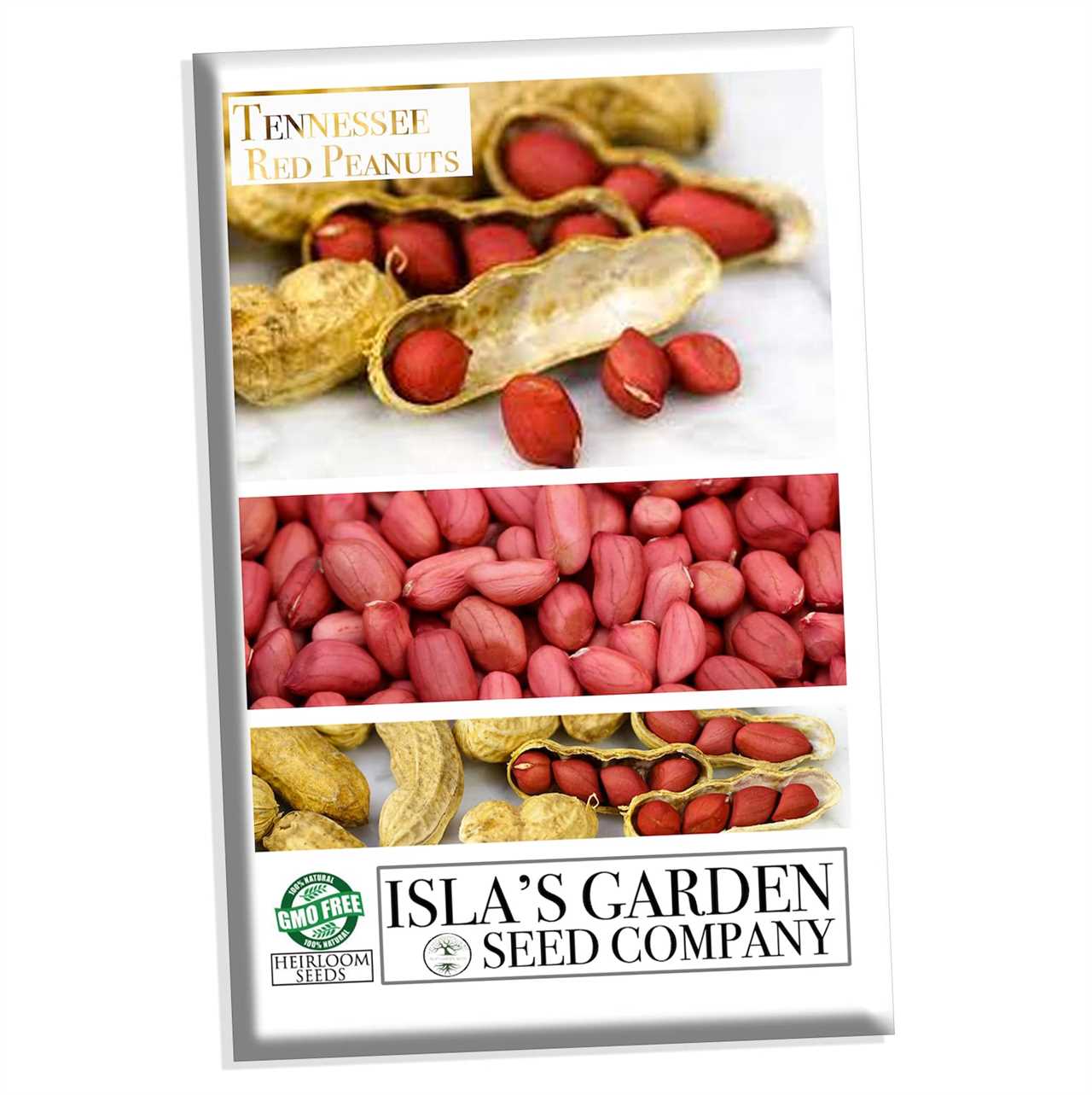
Growing your own peanuts can be a rewarding and fun experience. Whether you have a large garden or just a small patio, peanut seeds can easily be cultivated in containers or in the ground. In this guide, we will provide you with all the information you need to successfully grow your own peanut plants from seeds.
Choosing the right seeds: When selecting peanut seeds, it is important to choose varieties that are suitable for your climate and growing conditions. Look for seeds that are labeled as disease-resistant and high-yielding. It is also a good idea to choose seeds that are certified organic, as this ensures that they have been grown without the use of harmful chemicals.
Preparing the soil: Peanut plants thrive in well-drained soil that is rich in organic matter. Before planting, prepare the soil by removing any weeds or grass and loosening it with a garden fork or tiller. Add compost or well-rotted manure to improve the soil’s fertility. It is also recommended to perform a soil test to determine the pH level and make any necessary adjustments.
Planting and caring for peanut seeds:
Plant peanut seeds in early spring, after the danger of frost has passed. Sow the seeds about 2 inches deep and 6 inches apart, with rows spaced at least 18 inches apart. Water the seeds thoroughly after planting and keep the soil consistently moist throughout the growing season. Peanut plants require full sun and should be watered deeply once a week.
Why Choose Peanut Seeds
Peanuts are a popular and nutritious snack that can be enjoyed in many different ways. But did you know that you can also grow your own peanuts at home? Choosing peanut seeds for cultivation can be a rewarding and enjoyable experience. Here are some reasons why you should consider choosing peanut seeds:
- Nutritional value: Peanuts are a good source of protein, healthy fats, and various vitamins and minerals. By growing your own peanuts, you can ensure that you have a fresh and organic supply of this nutritious food.
- Cost-effective: Buying peanut seeds and growing your own peanuts can be a cost-effective way to enjoy this delicious snack. It eliminates the need to buy peanuts from the store, which can often be expensive.
- Sustainability: Growing your own peanuts promotes sustainability and reduces your carbon footprint. By producing your own food, you can reduce the demand for commercially grown peanuts, which often require large amounts of water and pesticides.
- Fun and educational: Growing peanuts from seeds can be a fun and educational activity for both children and adults. It provides an opportunity to learn about the plant life cycle, gardening techniques, and the importance of sustainable food production.
- Versatility: Peanuts can be used in a variety of dishes, from savory to sweet. By growing your own peanuts, you can experiment with different recipes and enjoy the versatility of this tasty ingredient.
If you’re considering growing your own peanuts, choosing peanut seeds is a great option. Not only will you have a fresh and nutritious supply of peanuts, but you’ll also be contributing to a more sustainable and eco-friendly way of living. So why not give it a try?
Nutritional Benefits

Peanuts are not only delicious, but they also offer a wide range of nutritional benefits. They are packed with essential vitamins, minerals, and antioxidants that are important for maintaining good health.
Protein: Peanuts are an excellent source of plant-based protein. They contain all nine essential amino acids, making them a complete protein source. Incorporating peanuts into your diet can help meet your daily protein needs.
Healthy Fats: Peanuts are rich in monounsaturated fats, which are considered to be heart-healthy fats. These fats can help lower bad cholesterol levels and reduce the risk of heart disease.
Fiber: Peanuts are a good source of dietary fiber. Fiber is essential for maintaining a healthy digestive system and can help prevent constipation. It also helps control blood sugar levels and promotes feelings of fullness, making it beneficial for weight management.
Vitamins and Minerals: Peanuts are a good source of various vitamins and minerals, including vitamin E, niacin, folate, magnesium, and potassium. These nutrients play important roles in supporting overall health and well-being.
Antioxidants: Peanuts are rich in antioxidants, such as resveratrol and p-coumaric acid. These antioxidants help protect the body against oxidative stress and inflammation, which are associated with various chronic diseases.
Weight Management: Despite their relatively high calorie content, studies have shown that incorporating peanuts into a balanced diet can actually help with weight management. The combination of protein, healthy fats, and fiber in peanuts helps promote feelings of fullness and can reduce overall calorie intake.
Heart Health: Consuming peanuts as part of a healthy diet has been linked to a lower risk of heart disease. The monounsaturated fats and other beneficial compounds in peanuts can help improve cholesterol levels, reduce inflammation, and support overall heart health.
Overall, peanuts are a nutritious and versatile food that can be enjoyed in various ways. Whether eaten as a snack, added to recipes, or used as a spread, peanuts provide numerous health benefits that make them a valuable addition to any diet.
Versatility in Recipes
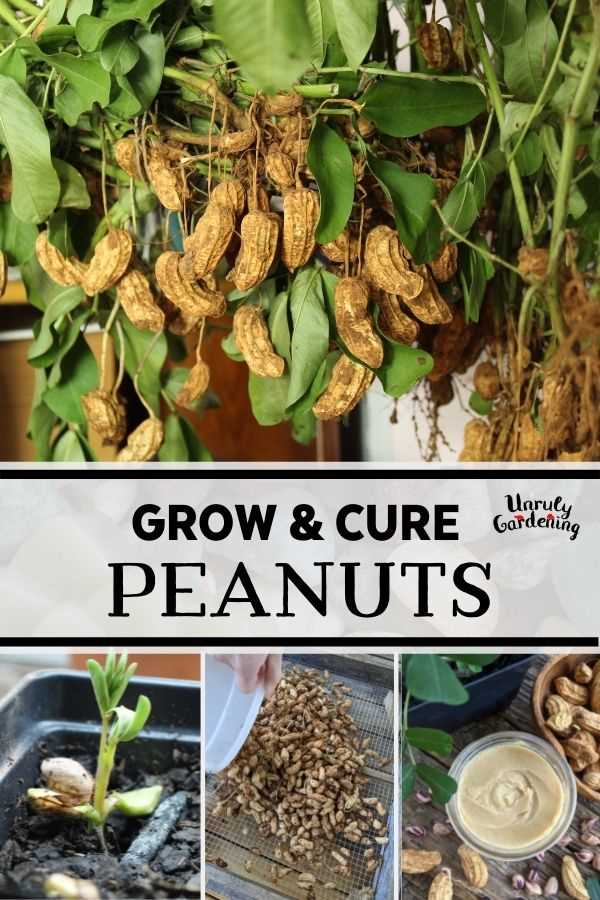
Peanuts are an incredibly versatile ingredient that can be used in a wide variety of recipes. From sweet to savory, peanuts can add a delicious flavor and texture to many dishes.
Snacks and Appetizers:
- Roasted peanuts: A simple and classic snack, roasted peanuts can be enjoyed on their own or added to trail mixes.
- Peanut butter and celery sticks: A healthy and satisfying snack, peanut butter pairs perfectly with crunchy celery.
- Peanut hummus: A twist on traditional hummus, peanut hummus adds a nutty flavor and creamy texture to your favorite dip.
Main Dishes:
- Thai peanut noodles: A popular dish in Thai cuisine, peanut noodles are packed with flavor and can be customized with your favorite vegetables and proteins.
- Peanut-crusted chicken: Coating chicken in a mixture of crushed peanuts and breadcrumbs adds a crispy and flavorful twist to a classic dish.
- Peanut stir-fry sauce: A homemade peanut sauce can elevate any stir-fry, adding a rich and nutty flavor to the dish.
Desserts:
- Peanut butter cookies: A classic treat, peanut butter cookies are soft, chewy, and full of peanut flavor.
- Chocolate-covered peanuts: A simple and delicious dessert, chocolate-covered peanuts are the perfect combination of sweet and salty.
- Peanut butter fudge: Creamy and decadent, peanut butter fudge is a sweet indulgence that is sure to satisfy your sweet tooth.
Beverages:
- Peanut butter smoothie: Blending peanut butter with your favorite fruits and a liquid base creates a creamy and nutritious smoothie.
- Peanut butter milkshake: A rich and indulgent treat, a peanut butter milkshake is the perfect way to satisfy your sweet cravings.
- Peanut-infused cocktails: Adding peanut-infused spirits or peanut butter to cocktails can create unique and flavorful drinks.
As you can see, there are endless possibilities when it comes to cooking with peanuts. Whether you’re looking for a snack, a main dish, a dessert, or a beverage, peanuts can add a delicious and unique twist to your recipes.
Cost-Effective Option
Growing peanut plants from seeds is a cost-effective option for those looking to cultivate their own peanuts. Purchasing peanut seeds is generally more affordable than buying established plants or peanut pods.
By starting with seeds, you have the opportunity to grow a larger quantity of plants at a lower cost. This can be especially beneficial if you have a large area available for cultivation or if you plan to sell the peanuts for profit.
Another cost-saving advantage of growing peanuts from seeds is that you can choose the specific varieties you want to cultivate. This allows you to select varieties that are known for their high yield or disease resistance, maximizing your chances of a successful harvest.
Furthermore, growing peanuts from seeds gives you more control over the entire cultivation process. You can ensure that the seeds are of high quality and have been properly stored. This reduces the risk of introducing pests or diseases to your peanut plants, which can save you money on pest control and treatment.
Overall, starting with peanut seeds is a cost-effective option that offers flexibility, control, and the potential for higher yields. Whether you are a backyard gardener or a commercial farmer, growing peanuts from seeds can be a smart choice for your cultivation needs.
Getting Started with Peanut Cultivation

When it comes to cultivating peanuts, there are a few key steps to follow to ensure successful growth and a bountiful harvest. Whether you are a beginner or an experienced gardener, these tips will help you get started with peanut cultivation.
Choose the Right Variety

Before you begin planting peanuts, it’s important to choose the right variety for your growing conditions. Some varieties are better suited for specific climates or soil types, so do your research and select a variety that will thrive in your area.
Prepare the Soil
Peanuts prefer well-drained soil that is slightly acidic. Before planting, prepare the soil by removing any weeds or debris and loosening it with a garden fork or tiller. Add organic matter, such as compost or well-rotted manure, to improve soil fertility and drainage.
Planting
Plant peanut seeds directly into the soil, about 1 to 2 inches deep. Space the seeds about 6 to 8 inches apart in rows that are 2 to 3 feet apart. If you are planting peanuts in containers, make sure the containers are deep enough to accommodate the plants’ root system.
Watering
Keep the soil consistently moist but not waterlogged. Peanuts require about 1 to 1.5 inches of water per week. Water deeply and infrequently to encourage deep root growth.
Fertilizing

Apply a balanced fertilizer, such as a 10-10-10 or 14-14-14, at planting time. Avoid over-fertilizing, as this can lead to excessive vegetative growth and reduce peanut production.
Pest and Disease Control
Monitor your peanut plants regularly for signs of pests or diseases. Common pests include aphids, armyworms, and nematodes. Use organic pest control methods whenever possible, such as handpicking pests or using insecticidal soap. Rotate crops regularly to prevent the buildup of soilborne diseases.
Harvesting
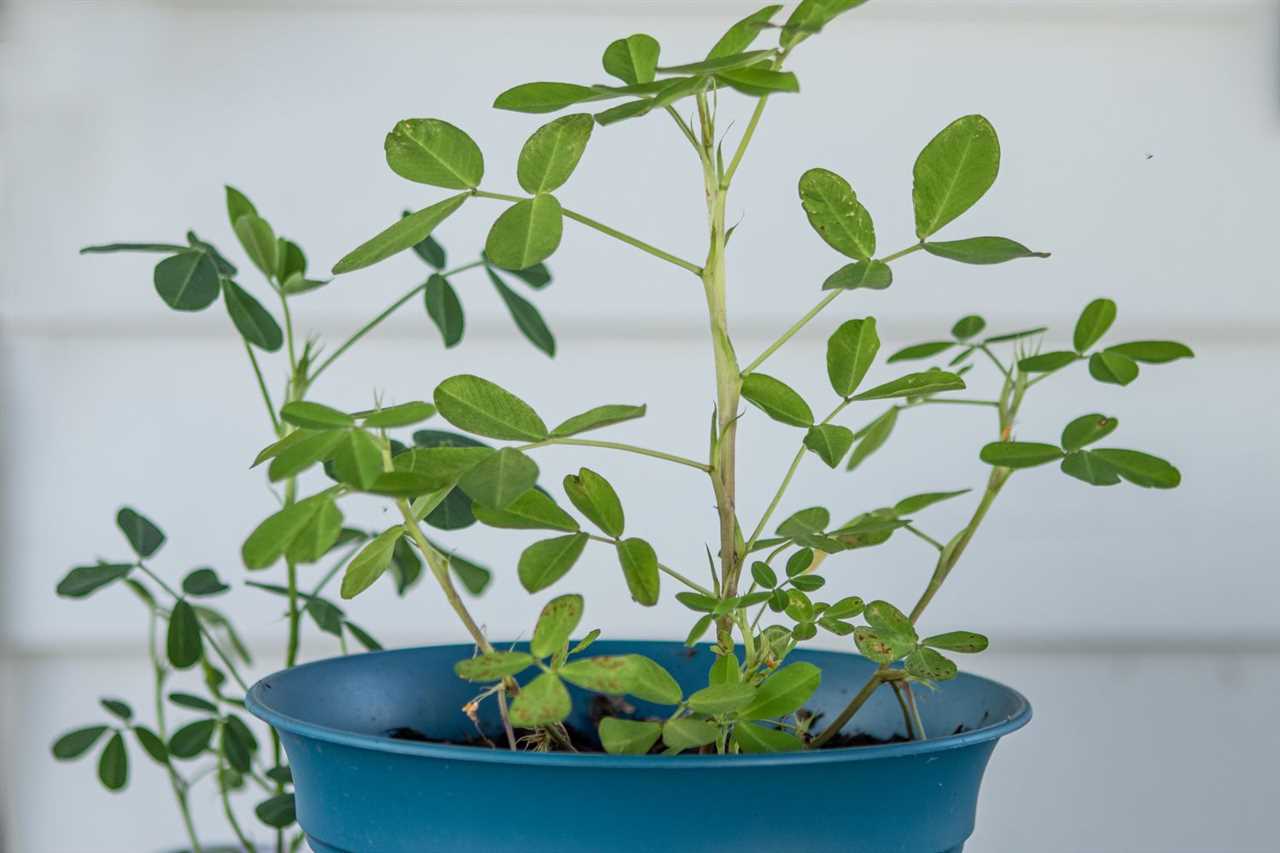
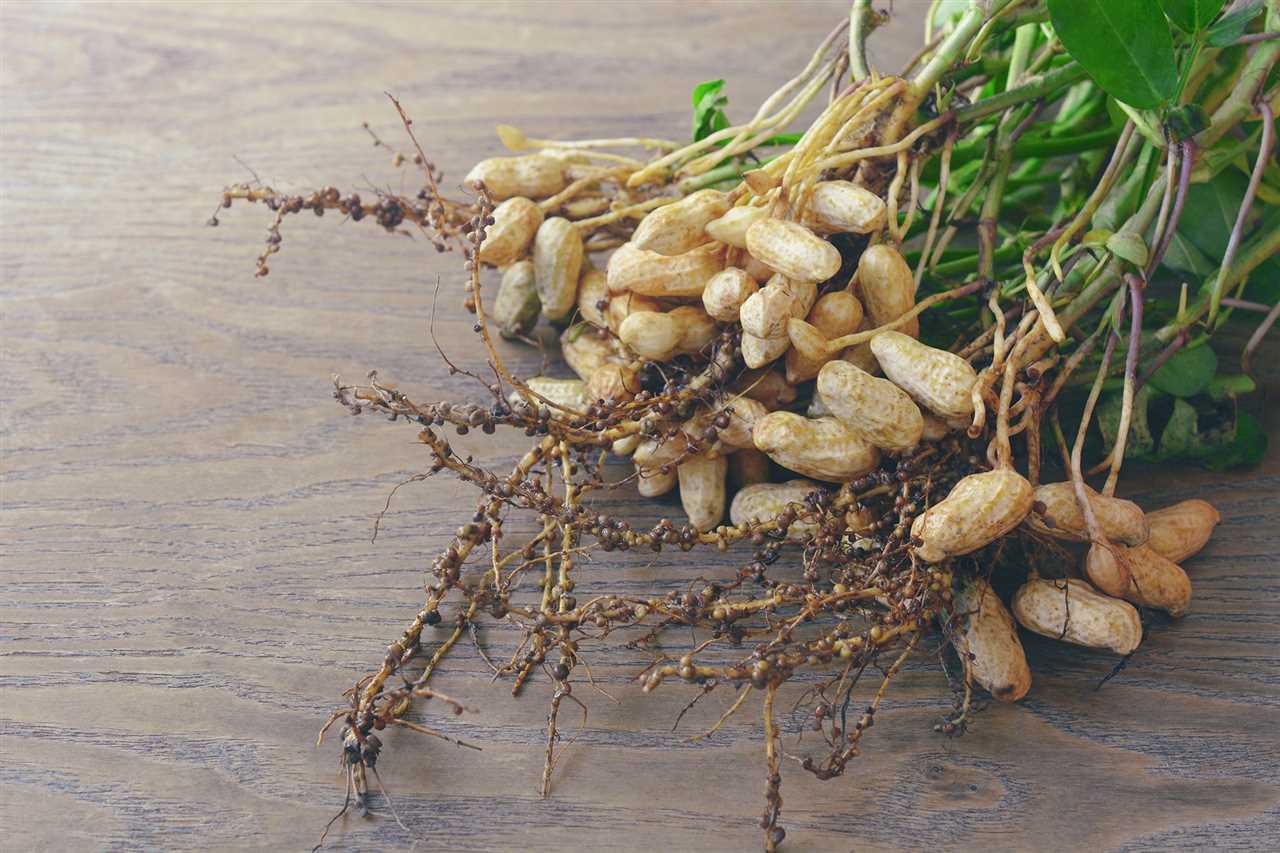
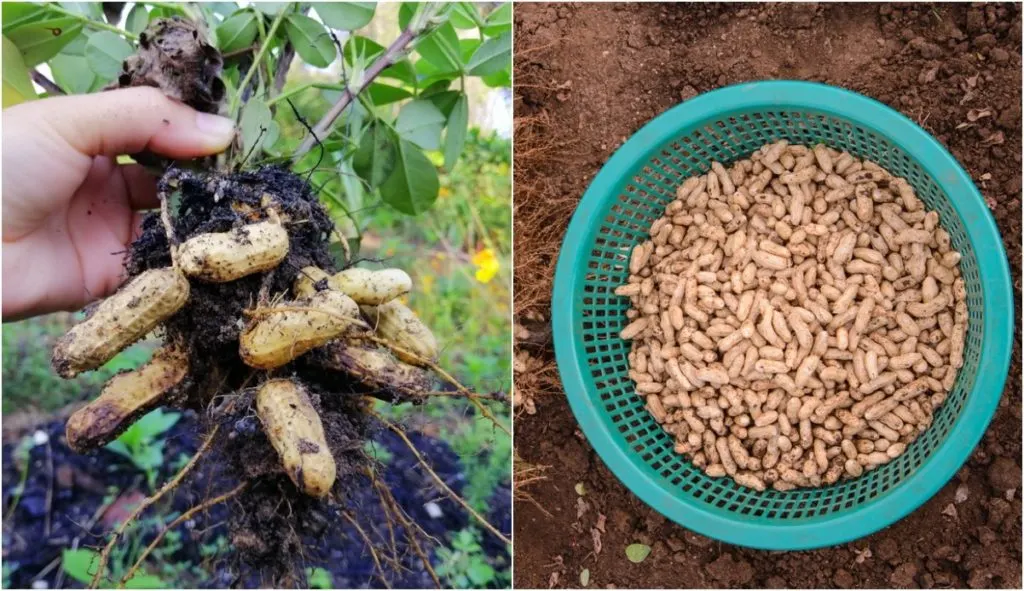
Peanuts are ready for harvest when the leaves turn yellow and the plants begin to dry out. Carefully dig up the plants and shake off any excess soil. Hang the plants in a well-ventilated area to dry for several weeks. Once the peanuts are fully dry, remove them from the plants and store them in a cool, dry place.
By following these tips, you can get started with peanut cultivation and enjoy a successful harvest of delicious and nutritious peanuts.
Choosing the Right Variety
When it comes to growing peanuts, choosing the right variety is crucial for a successful cultivation. There are several factors to consider when selecting peanut seeds:
- Climate: Different peanut varieties thrive in different climate conditions. Some varieties are better suited for hot and dry climates, while others can tolerate cooler temperatures. Consider the climate of your region and choose a variety that is well-adapted to your local conditions.
- Growth habit: Peanut varieties can have different growth habits, such as erect or runner types. Erect types are more compact and suitable for smaller spaces, while runner types spread out and require more room. Choose a variety that fits the available space in your garden.
- Days to maturity: The days to maturity can vary among peanut varieties. Some varieties mature faster than others, which is an important factor to consider if you have a shorter growing season. Check the days to maturity and choose a variety that can be harvested within your desired timeframe.
- Disease resistance: Peanuts are susceptible to various diseases, such as leaf spot and root rot. Some peanut varieties have been bred to be more resistant to certain diseases. Check the disease resistance characteristics of different varieties and choose one that is less likely to be affected by common peanut diseases in your area.
It’s important to do some research and choose the right variety based on your specific growing conditions and preferences. By selecting the right peanut seeds, you’ll increase your chances of a successful and bountiful peanut harvest.
Preparing the Soil

Properly preparing the soil is crucial for successful peanut seed cultivation. Here are some important steps to follow:
- Choose the right location: Select a sunny spot in your garden with well-draining soil. Peanuts thrive in warm climates, so make sure the location receives ample sunlight.
- Remove weeds and debris: Clear the area of any weeds, rocks, or other debris that could impede the growth of your peanut plants. This will help provide a clean and healthy environment for your seeds to grow.
- Loosen the soil: Use a garden fork or tiller to loosen the soil to a depth of at least 6 inches. This will help improve drainage and allow the peanut roots to penetrate the soil more easily.
- Amend the soil: Peanut plants prefer slightly acidic soil with a pH level between 5.8 and 6.2. Test your soil’s pH level and make any necessary adjustments by adding organic matter or soil amendments.
- Add compost: Incorporate well-rotted compost into the soil to improve its fertility and nutrient content. This will provide a rich growing medium for your peanut seeds.
- Provide adequate drainage: Peanuts require well-draining soil to prevent waterlogged conditions, which can lead to root rot. If your soil has poor drainage, consider adding organic matter or creating raised beds to improve drainage.
- Level the soil: Smooth out the soil surface using a rake or garden tool. This will create a level surface for planting your peanut seeds.
By following these steps to prepare the soil, you will create an optimal growing environment for your peanut seeds and increase your chances of a successful cultivation.
Planting and Germination
Planting peanut seeds is the first step in successfully cultivating peanuts. Follow these tips for a successful germination process:
- Choose quality seeds: Select seeds that are healthy, plump, and free from any signs of damage or disease.
- Prepare the soil: Peanut plants prefer well-drained soil with a pH level between 5.8 and 6.2. Prepare the soil by removing any weeds or debris and loosening it with a garden fork or tiller.
- Sow the seeds: Plant peanut seeds about 1 to 2 inches deep, spaced 6 to 8 inches apart. You can plant them in rows or in a grid pattern, depending on your preference.
- Provide proper watering: Water the seeds immediately after planting and keep the soil consistently moist but not waterlogged. Avoid over-watering, as it can lead to rotting of the seeds.
- Protect from pests: Use organic pest control methods to prevent pests from damaging the seeds. This can include using row covers, companion planting, or natural insecticides.
- Germination time: Peanut seeds usually germinate within 7 to 10 days. Keep an eye on the soil moisture and temperature during this period to ensure optimal conditions for germination.
Once the seeds have germinated and the seedlings have emerged, you can continue to care for them by providing adequate sunlight, regular watering, and fertilizing as needed. With proper care, your peanut seeds will grow into healthy peanut plants that will eventually produce delicious peanuts!
Essential Care and Maintenance
Proper care and maintenance are crucial for successful peanut seed cultivation. By following these essential tips, you can ensure healthy growth and a bountiful harvest:
- Soil Preparation: Before planting peanut seeds, it is important to prepare the soil properly. Peanut plants thrive in well-drained sandy loam soil with a pH level between 5.8 and 6.2. Remove any weeds or rocks from the planting area and loosen the soil to a depth of at least 6 inches.
- Planting: Peanut seeds should be planted about 1 to 2 inches deep, with a spacing of 6 to 8 inches between each seed. It is recommended to plant the seeds in rows, leaving a distance of 24 to 36 inches between each row.
- Watering: Peanut plants require consistent moisture, especially during the germination and flowering stages. Water the plants deeply once a week, providing about 1 inch of water. Be careful not to overwater, as this can lead to root rot.
- Fertilization: Peanuts are heavy feeders and require regular fertilization. Apply a balanced fertilizer with a ratio of 10-10-10 before planting, and then side dress the plants with nitrogen-rich fertilizer when they reach the flowering stage.
- Weed Control: Keep the planting area free from weeds, as they can compete with peanut plants for nutrients and water. Regularly remove any weeds by hand or use a shallow cultivation technique to prevent damage to the shallow peanut roots.
- Pest and Disease Management: Monitor the plants regularly for signs of pests and diseases, such as aphids, nematodes, or leaf spot. Use organic pest control methods whenever possible and consider rotating crops to prevent the buildup of diseases in the soil.
- Harvesting: Peanut plants are ready for harvesting when the leaves turn yellow and the pods have matured. Carefully dig up the plants, shake off excess soil, and hang them in a warm, dry location to cure for about two weeks. Once cured, remove the pods and store them in a cool, dry place.
By providing the essential care and maintenance outlined above, you can ensure healthy peanut seed growth and a successful cultivation process.
Watering and Irrigation
Watering is an essential part of growing peanut seeds. Proper irrigation ensures that the seeds receive enough moisture to germinate and grow into healthy plants. Here are some tips for watering and irrigation:
- Watering frequency: Peanut seeds require consistent moisture, especially during the germination and flowering stages. It is important to water them regularly, but avoid overwatering as it can lead to root rot.
- Watering method: The best way to water peanut seeds is through drip irrigation or soaker hoses. These methods provide a slow and steady supply of water directly to the roots, minimizing water wastage.
- Time of day: Watering in the early morning or late afternoon is ideal as it allows the plants to absorb moisture before the heat of the day evaporates it. Avoid watering during the hottest part of the day to prevent water loss due to evaporation.
- Monitoring soil moisture: Regularly check the soil moisture levels by inserting your finger into the soil. If it feels dry up to the first knuckle, it’s time to water. If it feels moist, wait a day or two before watering again.
Tip: Mulching around the peanut plants can help retain soil moisture and reduce the need for frequent watering.
Remember that the watering needs of peanut seeds may vary depending on factors such as climate, soil type, and stage of growth. It is important to observe the plants closely and adjust the watering schedule accordingly.
Fertilization and Nutrient Management
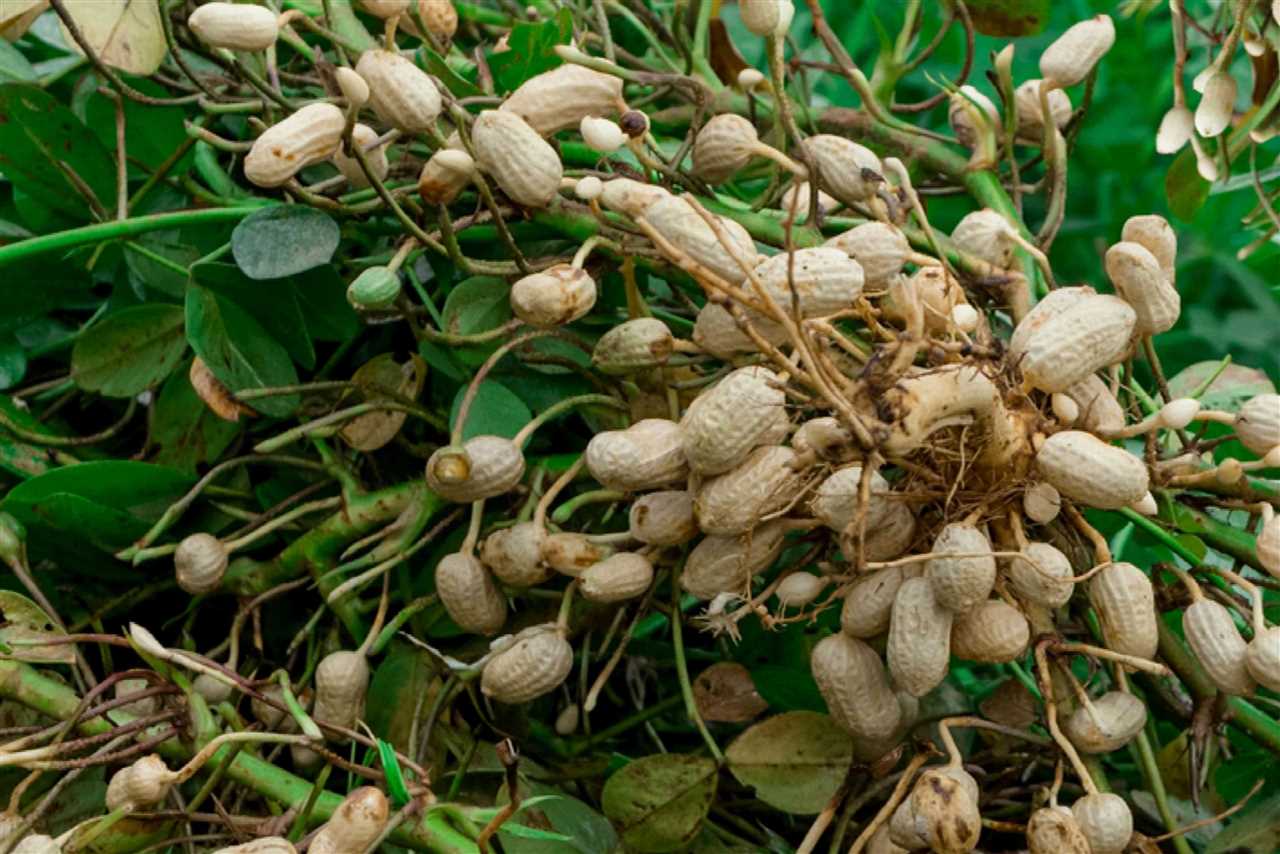
Proper fertilization and nutrient management are essential for successful peanut cultivation. Peanuts have specific nutrient requirements that should be met to ensure optimal growth and yield. Here are some tips for fertilizing and managing nutrients in your peanut crop:
- Soil Testing: Before planting, it is important to conduct a soil test to determine the nutrient levels and pH of your soil. This will help you identify any deficiencies or imbalances and enable you to make informed decisions about fertilization.
- Nitrogen: Nitrogen is an important nutrient for peanut plants, especially during the early growth stages. Apply nitrogen fertilizer based on the recommendations from your soil test. Split applications may be necessary to ensure a steady supply of nitrogen throughout the growing season.
- Phosphorus and Potassium: Peanuts require adequate levels of phosphorus and potassium for healthy growth and development. Apply phosphorus and potassium fertilizers based on the recommendations from your soil test. These nutrients are typically applied before planting or at planting.
- Micronutrients: Micronutrients such as zinc, boron, and manganese are also important for peanut plants, although they are needed in smaller quantities. If your soil test indicates a deficiency in any micronutrients, consider applying a micronutrient fertilizer or using foliar sprays.
- Organic Matter: Incorporating organic matter into the soil can improve nutrient availability and overall soil health. Consider adding compost or well-rotted manure to your peanut field before planting.
- Timing: Proper timing of fertilizer applications is crucial for maximizing nutrient uptake and minimizing nutrient losses. Follow the recommended guidelines for fertilizing peanuts at different growth stages.
Remember to always follow the instructions on fertilizer labels and consult with local agricultural extension services or peanut experts for specific recommendations based on your location and soil conditions. Regular monitoring of nutrient levels and plant health throughout the growing season will help you make necessary adjustments to your fertilization and nutrient management practices.
| Nutrient | Function | Deficiency Symptoms |
|---|---|---|
| Nitrogen | Essential for plant growth and development | Stunted growth, yellowing leaves |
| Phosphorus | Promotes root development and flowering | Purple or reddish leaves, poor flowering |
| Potassium | Improves plant tolerance to stress and disease resistance | Leaf scorching, reduced yield |
| Zinc | Required for enzyme activity and protein synthesis | White streaks on leaves, reduced yield |
| Boron | Essential for pollen germination and fruit development | Abnormal flower development, hollow heart in nuts |
| Manganese | Involved in photosynthesis and enzyme activation | Interveinal chlorosis, reduced growth |
Video:Peanut Seeds Growing Guide and Tips for Successful Cultivation

Hello, I am Beverly J. Sanders, the voice behind the diverse articles you come across on styves.co.za. My passion lies in exploring the nuances of home improvement and sharing tips that can help you transform your living space into a haven of comfort and style. From the latest trends in home decor to practical cleaning advice, I cover a broad spectrum of topics to cater to a wide variety of interests.
In my recent works, I have delved into the advantages of incorporating a horizontal Murphy bed into your home to save space without compromising on design and functionality. I also explored the benefits of having a free-standing electric fireplace that not only adds warmth to your home but also brings a sleek and modern design to any living space. My articles are a rich resource, offering insights into different products and home improvement strategies that can enhance the quality of your life.
I believe in the power of details; a belief that reflects in my comprehensive guides where I discuss even the overlooked aspects of home decor, such as the impact of baseboard trim in enhancing the overall look and feel of your home. I am constantly on the lookout for innovative solutions and products that can add value to your home and life.
Join me in my exploration as I continue to bring you the latest trends, tips, and insights in the home improvement world. Let’s create a home that is not just a place to live, but a reflection of style and personality.