Contents
Pink Camellia A Guide to Growing and Caring for this Beautiful Flower
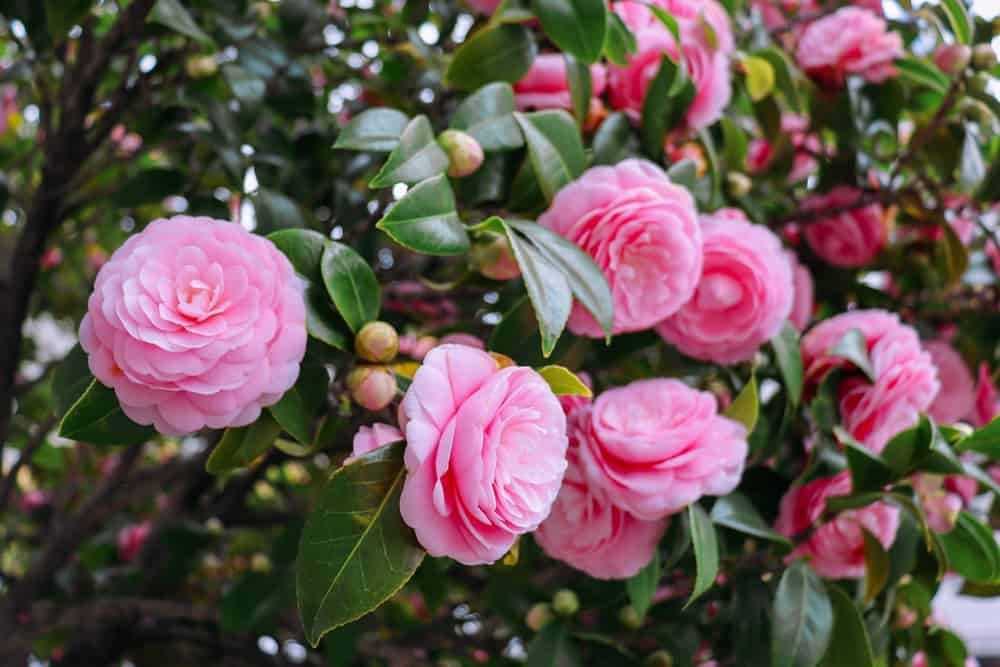
If you’re looking to add a touch of elegance to your garden, look no further than the pink camellia. With its stunning pink blossoms and delicate fragrance, this botanical beauty is sure to be a showstopper in any outdoor space.
The pink camellia, also known as Camellia japonica, is a flowering plant native to Asia. It is characterized by its large, glossy leaves and vibrant pink flowers. These flowers can range in color from soft pastel pinks to bold, bright hues, making them a versatile choice for any garden.
When it comes to growing and caring for pink camellias, there are a few key things to keep in mind. First, they thrive in well-drained soil that is slightly acidic. It’s important to choose a location in your garden that receives partial shade, as direct sunlight can scorch the delicate petals.
Regular watering is also crucial for the health and vitality of your pink camellia. They prefer moist soil, but be careful not to overwater as this can lead to root rot. Additionally, it’s important to fertilize your camellia regularly to promote healthy growth and abundant blooming.
“The pink camellia is a true gem in the garden, adding a touch of romance and beauty to any landscape. With proper care and attention, this stunning flower will reward you with its vibrant pink blossoms and intoxicating fragrance year after year.”
In conclusion, the pink camellia is a beautiful flower that can bring a touch of elegance and charm to any garden. With its stunning pink blossoms, delicate fragrance, and easy care requirements, it’s no wonder why this botanical beauty is a favorite among gardeners. So, if you’re looking to enhance your outdoor space with a pop of color and fragrance, consider adding a pink camellia to your garden.
Overview of Pink Camellia

The pink camellia is a beautiful flower that is known for its vibrant pink blossoms and delightful fragrance. It is a popular choice for botanical gardens and home gardens alike, due to its stunning appearance and easy care requirements.
The camellia is a member of the Theaceae family and is native to East Asia. It has been cultivated for centuries and is now grown in many parts of the world. The pink camellia is a specific variety of camellia that produces pink flowers, adding a touch of elegance to any garden.
One of the most appealing aspects of the pink camellia is its fragrance. The flowers emit a sweet and pleasant scent that can fill a garden with a delightful aroma. This fragrance is often compared to that of roses, making the pink camellia a popular choice for those who love the scent of flowers.
In terms of care, the pink camellia is a relatively low-maintenance plant. It prefers partial shade and well-drained soil, and can tolerate a range of temperatures. It is important to water the camellia regularly, especially during dry periods, and to provide it with proper nutrients to encourage healthy growth.
The pink camellia typically blooms in the late winter or early spring, adding a burst of color to the garden during a time when many other flowers are not in bloom. The flowers can range in size, with some varieties producing large, showy blossoms, while others have smaller, more delicate blooms.
Overall, the pink camellia is a stunning addition to any garden. Its vibrant pink flowers, delightful fragrance, and easy care requirements make it a popular choice for both experienced gardeners and beginners. Whether planted in a botanical garden or in a home garden, the pink camellia is sure to bring beauty and joy to all who see it.
History and Symbolism of Pink Camellia
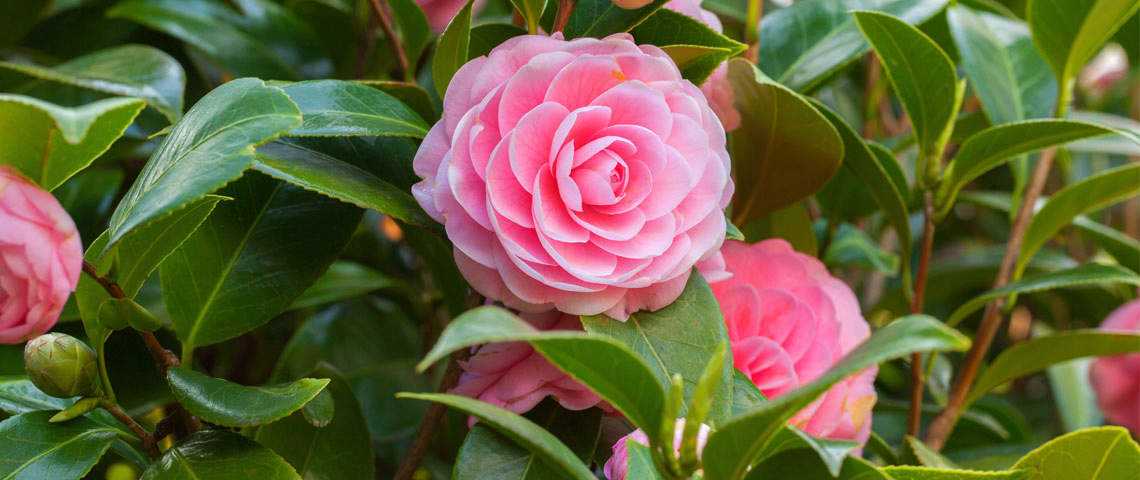
The pink camellia is a beautiful flower that has a rich history and symbolism. It is a type of camellia that is known for its fragrant blossoms and vibrant pink petals. The pink camellia is a popular choice for gardens and floral arrangements due to its stunning appearance and pleasant fragrance.
The botanical name for the pink camellia is Camellia japonica. It is native to East Asia, particularly Japan and China, where it has been cultivated for centuries. The pink camellia was first introduced to Europe in the 18th century, where it quickly gained popularity among garden enthusiasts.
In addition to its beauty, the pink camellia also holds symbolic meaning. In many cultures, the pink camellia is associated with love and affection. It is often given as a gift to express romantic feelings or to convey gratitude and appreciation. The pink camellia is also considered a symbol of femininity and grace.
Furthermore, the pink camellia has been associated with various mythological and historical figures. In ancient China, the camellia was believed to be the sacred flower of the gods. It was also a favorite flower of Empress Dowager Cixi, who ruled China during the late Qing Dynasty.
In the language of flowers, the pink camellia has different meanings depending on the shade of pink. Light pink camellias symbolize admiration and gentleness, while darker shades of pink represent longing and desire. The pink camellia is often included in wedding bouquets and floral arrangements to symbolize love and happiness.
| Pink Camellia Symbolism |
|---|
| Love and Affection |
| Femininity and Grace |
| Admiration and Gentleness |
| Longing and Desire |
In conclusion, the pink camellia is a flower with a rich history and deep symbolism. Its beauty, fragrance, and cultural significance make it a cherished plant in gardens and floral arrangements around the world.
Benefits of Growing Pink Camellia

The pink camellia is a stunning flower that can bring beauty and elegance to any garden. Here are some of the benefits of growing this botanical wonder:
- Blossom: The pink camellia produces beautiful, vibrant blossoms that can add a pop of color to your garden.
- Camellia Family: Camellias are part of the evergreen family, meaning they will provide year-round beauty and foliage to your garden.
- Flower Variety: Pink camellias come in a variety of shapes and sizes, allowing you to choose the perfect flower for your garden.
- Garden Focal Point: The pink camellia can serve as a focal point in your garden, drawing attention and admiration from all who see it.
- Botanical Interest: Camellias are a popular choice among botanists and flower enthusiasts due to their unique characteristics and history.
- Pink Delight: The pink camellia is known for its delicate and feminine color, adding a touch of romance to any garden.
- Fragrance: Some varieties of pink camellias have a beautiful fragrance that can fill your garden with a delightful scent.
- Blooming Season: Pink camellias typically bloom in the winter or early spring, bringing color and life to your garden during the colder months.
Overall, growing pink camellias can bring numerous benefits to your garden, from their stunning blossoms to their botanical interest. Consider adding these beautiful flowers to your garden and enjoy the many advantages they offer.
Section 2: Growing Pink Camellia

The pink camellia is a beautiful botanical specimen that can add elegance and color to any garden. With its stunning pink blossoms and delicate petals, it is a favorite among flower enthusiasts. If you’re interested in growing your own pink camellia, here are some tips to help you get started:
- Choose the right location: Pink camellias thrive in partially shaded areas, so find a spot in your garden that receives morning sunlight and afternoon shade. This will provide the ideal conditions for your camellia to grow and bloom.
- Prepare the soil: Camellias prefer well-draining soil that is rich in organic matter. Before planting, amend the soil with compost or peat moss to improve its texture and fertility.
- Planting: Dig a hole that is slightly larger than the root ball of your camellia plant. Place the plant in the hole, making sure that the top of the root ball is level with the ground. Backfill the hole with soil and gently firm it around the plant.
- Watering: Pink camellias require regular watering, especially during the hot summer months. Keep the soil consistently moist, but not waterlogged. Mulching around the base of the plant can help retain moisture and regulate soil temperature.
- Fertilizing: Feed your pink camellia with a balanced fertilizer in early spring and again in late summer. Follow the instructions on the fertilizer package for application rates and frequency.
- Pruning: Prune your camellia after it has finished blooming to maintain its shape and promote healthy growth. Remove any dead or damaged branches, and thin out crowded areas to improve air circulation.
By following these guidelines, you can successfully grow and care for your own pink camellia. With proper attention and maintenance, your camellia will reward you with its stunning pink blooms and bring beauty to your garden for years to come.
Choosing the Right Location for Pink Camellia

When selecting a location for your pink camellia, it is important to consider several factors to ensure optimal growth and blooming. The right location will provide the necessary conditions for the camellia to thrive and showcase its beautiful pink blossoms.
1. Sunlight: Pink camellias prefer partial shade or filtered sunlight. They thrive in areas with morning sun and afternoon shade, as direct sunlight can scorch their delicate petals. Avoid planting the camellia in full shade, as this can limit its blooming potential.
2. Soil: Camellias prefer well-draining, acidic soil with a pH level between 5.0 and 6.5. They do not tolerate heavy clay or alkaline soil. Before planting, test the pH level of the soil and amend it if necessary to create the ideal growing conditions for your pink camellia.
3. Moisture: Pink camellias require regular watering to maintain healthy growth. However, they do not tolerate waterlogged soil. Ensure that the planting location has good drainage to prevent water from pooling around the roots.
4. Protection: Pink camellias are sensitive to harsh winds and extreme temperatures. Choose a location that offers some protection from strong winds, such as near a wall or under the canopy of a larger tree. This will help prevent damage to the delicate petals and buds.
5. Space: Pink camellias can grow quite large, so it is important to provide them with enough space to spread out. Consider the mature size of the camellia when selecting a location to ensure it has room to grow without being crowded by other plants or structures.
6. Botanical Gardens: If you are unsure about finding the right location for your pink camellia, consider visiting a local botanical garden. These gardens often have dedicated camellia sections where you can observe different varieties and their growing conditions. This can provide inspiration and guidance for selecting the perfect location for your own pink camellia.
Soil Preparation for Pink Camellia

When it comes to growing and caring for pink camellias, one of the most important factors to consider is the soil. Pink camellias thrive in well-drained, slightly acidic soil that is rich in organic matter. By preparing the soil properly, you can provide the ideal growing conditions for your pink camellia to flourish and produce beautiful blossoms.
1. Test the Soil: Before planting your pink camellia, it’s essential to test the soil pH. Pink camellias prefer a slightly acidic soil with a pH range of 5.5 to 6.5. You can easily test the pH of your soil using a home testing kit or by sending a sample to a local botanical garden or agricultural extension office.
2. Amend the Soil: If the soil pH is too high, you can lower it by adding organic matter such as compost, peat moss, or pine needles. These amendments will help to acidify the soil and create a more suitable environment for your pink camellia. Work the amendments into the top 12 inches of soil to ensure they are well-mixed.
3. Improve Drainage: Pink camellias require well-drained soil to prevent root rot and other moisture-related issues. If your soil is heavy and clay-like, you can improve drainage by adding organic matter and coarse sand. This will help to break up the soil and allow excess water to drain away more easily.
4. Provide Organic Matter: Adding organic matter to the soil is crucial for providing nutrients and improving overall soil quality. Compost, well-rotted manure, or leaf mold can be mixed into the soil to enrich it and create a fertile growing environment for your pink camellia.
5. Mulch: Once you have planted your pink camellia, apply a layer of organic mulch around the base of the plant. This will help to conserve moisture, suppress weeds, and regulate soil temperature. Use a mulch such as pine bark, wood chips, or straw, and apply it to a depth of 2-3 inches, keeping it a few inches away from the trunk of the plant.
6. Regular Maintenance: After preparing the soil, it’s important to continue caring for your pink camellia’s soil throughout the growing season. Water regularly, keeping the soil consistently moist but not waterlogged. Fertilize with a balanced, slow-release fertilizer in early spring and mid-summer to provide essential nutrients. Monitor the soil moisture and adjust watering as needed.
By following these soil preparation tips, you can create the optimal growing conditions for your pink camellia. With proper care, your camellia will reward you with beautiful blooms, delightful fragrance, and a stunning addition to your garden.
Planting and Propagation of Pink Camellia

When it comes to planting and propagating pink camellias, there are a few important factors to consider. These beautiful flowers require specific conditions to thrive and blossom in your garden.
Choosing the right location: Pink camellias prefer a partially shaded area in the garden. They need protection from direct sunlight, especially during the hottest hours of the day. Find a spot that receives morning sun and afternoon shade, or dappled sunlight throughout the day.
Preparing the soil: Camellias thrive in well-drained, acidic soil. Before planting, make sure to amend the soil with organic matter such as compost or peat moss. This will improve the soil’s drainage and acidity levels, creating the ideal environment for pink camellias to grow.
Planting the camellia: Dig a hole that is twice as wide and just as deep as the root ball of the camellia plant. Gently remove the plant from its container and place it in the hole, making sure that the top of the root ball is level with the ground. Backfill the hole with soil, firming it gently around the plant. Water thoroughly to settle the soil.
Watering and fertilizing: Pink camellias require regular watering, especially during dry periods. Keep the soil evenly moist, but not waterlogged. Apply a layer of mulch around the base of the plant to help retain moisture and suppress weeds. Fertilize the camellia in early spring and again in late summer with a balanced, slow-release fertilizer formulated for acid-loving plants.
Propagation: Pink camellias can be propagated through various methods, including seed germination, cuttings, and grafting. However, the most common method is by taking stem cuttings. Select a healthy branch and cut a 4-6 inch section just below a leaf node. Remove the lower leaves, leaving only a few at the top. Dip the cut end in rooting hormone and plant it in a well-draining potting mix. Keep the cutting in a warm, humid environment, and it should root within a few weeks.
Caring for your pink camellia: Regular pruning is necessary to maintain the shape and size of the camellia plant. Prune after the flowering period to encourage new growth and maintain a compact shape. Remove any dead or diseased branches, as well as any crossing or overcrowded branches. Mulching and regular fertilization will also help keep your pink camellia healthy and vibrant.
In conclusion, planting and caring for pink camellias requires attention to specific growing conditions and regular maintenance. With the right care, these beautiful flowers will grace your garden with their stunning blossoms and delicate petals.
Video:Pink Camellia A Guide to Growing and Caring for this Beautiful Flower
How to Propagate Camellia from Cuttings/쉬운 동백 삽목#9
How to grow Pink Snow Sasanqua Camellia with a detailed description

Hello, I am Beverly J. Sanders, the voice behind the diverse articles you come across on styves.co.za. My passion lies in exploring the nuances of home improvement and sharing tips that can help you transform your living space into a haven of comfort and style. From the latest trends in home decor to practical cleaning advice, I cover a broad spectrum of topics to cater to a wide variety of interests.
In my recent works, I have delved into the advantages of incorporating a horizontal Murphy bed into your home to save space without compromising on design and functionality. I also explored the benefits of having a free-standing electric fireplace that not only adds warmth to your home but also brings a sleek and modern design to any living space. My articles are a rich resource, offering insights into different products and home improvement strategies that can enhance the quality of your life.
I believe in the power of details; a belief that reflects in my comprehensive guides where I discuss even the overlooked aspects of home decor, such as the impact of baseboard trim in enhancing the overall look and feel of your home. I am constantly on the lookout for innovative solutions and products that can add value to your home and life.
Join me in my exploration as I continue to bring you the latest trends, tips, and insights in the home improvement world. Let’s create a home that is not just a place to live, but a reflection of style and personality.