Contents
- 1 Pollarding Trees A Guide to Pruning and Maintenance Techniques
- 1.1 What is Pollarding?
- 1.2 Benefits of Pollarding
- 1.3 Common Trees for Pollarding
- 1.4 Pruning Techniques
- 1.5 When to Prune
- 1.6 Tools for Pollarding
- 1.7 Step-by-Step Pollarding Process
- 1.8 Maintenance Techniques
- 1.9 Watering and Fertilizing
- 1.10 Video:Pollarding Trees A Guide to Pruning and Maintenance Techniques
Pollarding Trees A Guide to Pruning and Maintenance Techniques

When it comes to tree maintenance, one technique that has been used for centuries is pollarding. Pollarding is a pruning method that involves cutting back the upper branches of a tree to promote new growth and maintain a desired shape. This technique is commonly used for certain tree species, such as willows and poplars, and can be an effective way to manage the growth and health of these trees.
The process of pollarding involves removing all the branches and foliage from the trunk of the tree, leaving only a few stubs. These stubs will then regrow and form a dense cluster of branches, known as a “pollard head.” This method allows for regular pruning and maintenance, as the new growth can be easily managed and shaped.
Pollarding has several benefits. Firstly, it helps to control the size of the tree, making it suitable for urban environments where space is limited. Secondly, it promotes the growth of new, healthy branches, which can improve the overall health and vitality of the tree. Additionally, pollarding can create a unique and aesthetically pleasing shape, adding interest and character to the landscape.
However, pollarding is not suitable for all tree species, and it requires careful consideration and planning. It is important to consult with a professional arborist or tree care specialist before attempting to pollard a tree, as improper pruning can lead to damage or even death of the tree. With the right knowledge and techniques, pollarding can be a valuable tool in tree maintenance, ensuring the health and longevity of your trees for years to come.
What is Pollarding?
Pollarding is a pruning technique that involves removing the upper branches of a tree, leaving only the main trunk and a few lower branches. The process of pollarding is done to control the size and shape of the tree, as well as to promote new growth and maintain its health.
By regularly pollarding a tree, it can be kept at a desired height and shape. This technique is often used in urban areas where space is limited and trees need to be kept small and manageable. It is also commonly used to rejuvenate old or damaged trees and encourage new growth.
When a tree is pollarded, the branches are cut back to the main trunk or to a set of lower branches. This creates a “pollard head” or a knuckle-like structure where new growth can develop. The tree will then produce a dense cluster of new shoots from these pollard heads, creating a unique and distinctive appearance.
Pollarding is typically done during the dormant season, when the tree is not actively growing. This reduces the stress on the tree and allows it to recover more quickly. However, some species may be pollarded during the growing season, depending on their specific requirements.
It is important to note that pollarding is not suitable for all tree species. Some trees, such as evergreens and conifers, do not respond well to this pruning technique and may suffer damage or decline in health. It is best to consult with a professional arborist or tree care specialist before attempting to pollard a tree.
Benefits of Pollarding
There are several benefits to pollarding trees:
- Size control: Pollarding allows trees to be kept at a desired height, making them more suitable for urban environments.
- Shape control: By removing the upper branches, the shape of the tree can be controlled and maintained.
- Rejuvenation: Pollarding can help rejuvenate old or damaged trees by promoting new growth.
- Health maintenance: Regular pollarding can help maintain the overall health and vitality of a tree.
- Aesthetic appeal: Pollarded trees have a unique and distinctive appearance, adding visual interest to the landscape.
Overall, pollarding is a valuable pruning technique that can be used to manage and maintain trees in a variety of settings. When done correctly and with proper care, it can help create healthy, attractive, and manageable trees.
Benefits of Pollarding
1. Promotes Tree Health
Pollarding is a pruning technique that involves cutting back the upper branches of a tree to its main trunk or scaffold branches. This process stimulates new growth and helps to maintain the overall health of the tree. By regularly pollarding a tree, you can prevent the growth of weak or diseased branches, improving the tree’s overall strength and vitality.
2. Controls Tree Size
Pollarding is an effective way to control the size of a tree. By cutting back the branches to a specific point, you can limit the tree’s height and spread. This is particularly useful in urban areas where space is limited and trees can interfere with buildings or power lines. By pollarding a tree, you can keep it at a manageable size while still enjoying the benefits of having trees in the landscape.
3. Enhances Aesthetic Appeal
When done correctly, pollarding can enhance the aesthetic appeal of a tree. The process creates a unique and distinctive shape, with a thick, knobby trunk and a dense crown of branches. This can add visual interest to the landscape and create a focal point in the garden. Additionally, pollarding can be used to create a formal or symmetrical look in a garden, adding structure and order to the overall design.
4. Increases Longevity
Pollarding can help to increase the longevity of a tree by promoting its health and controlling its size. By removing weak or diseased branches, you can reduce the risk of damage or breakage during storms or high winds. Additionally, by controlling the size of the tree, you can prevent it from becoming too large and top-heavy, reducing the risk of uprooting or falling over. By regularly pollarding a tree, you can help it to live a longer and healthier life.
5. Provides Habitat for Wildlife
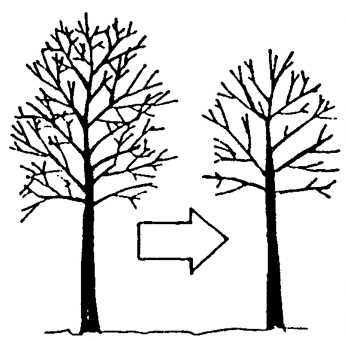
When a tree is pollarded, it creates a unique habitat for wildlife. The dense crown of branches provides shelter and nesting sites for birds, while the exposed branches and trunk attract insects and other small animals. By pollarding trees in an urban or suburban environment, you can create valuable habitats for wildlife and contribute to biodiversity conservation.
6. Sustainable Management
Pollarding is a sustainable management technique for trees. By regularly pollarding a tree, you can keep it healthy and in good condition without the need for more drastic pruning or removal. This can help to extend the life of the tree and reduce the need for costly maintenance or replacement. Additionally, by controlling the size of the tree, you can prevent it from becoming a nuisance or safety hazard, reducing the need for future intervention.
| Benefits of Pollarding |
|---|
| Promotes Tree Health |
| Controls Tree Size |
| Enhances Aesthetic Appeal |
| Increases Longevity |
| Provides Habitat for Wildlife |
| Sustainable Management |
Common Trees for Pollarding
Pollarding is a pruning technique that can be applied to a variety of tree species. However, some trees are more suitable for pollarding than others. Here are some common trees that are often pollarded:
- Willow (Salix spp.): Willows are one of the most popular trees for pollarding due to their fast growth and ability to regenerate. Common species used for pollarding include the white willow (Salix alba) and the goat willow (Salix caprea).
- Oak (Quercus spp.): Oaks can be successfully pollarded, especially the English oak (Quercus robur) and the sessile oak (Quercus petraea). Pollarding helps to manage the size of these large trees and promotes the growth of new branches.
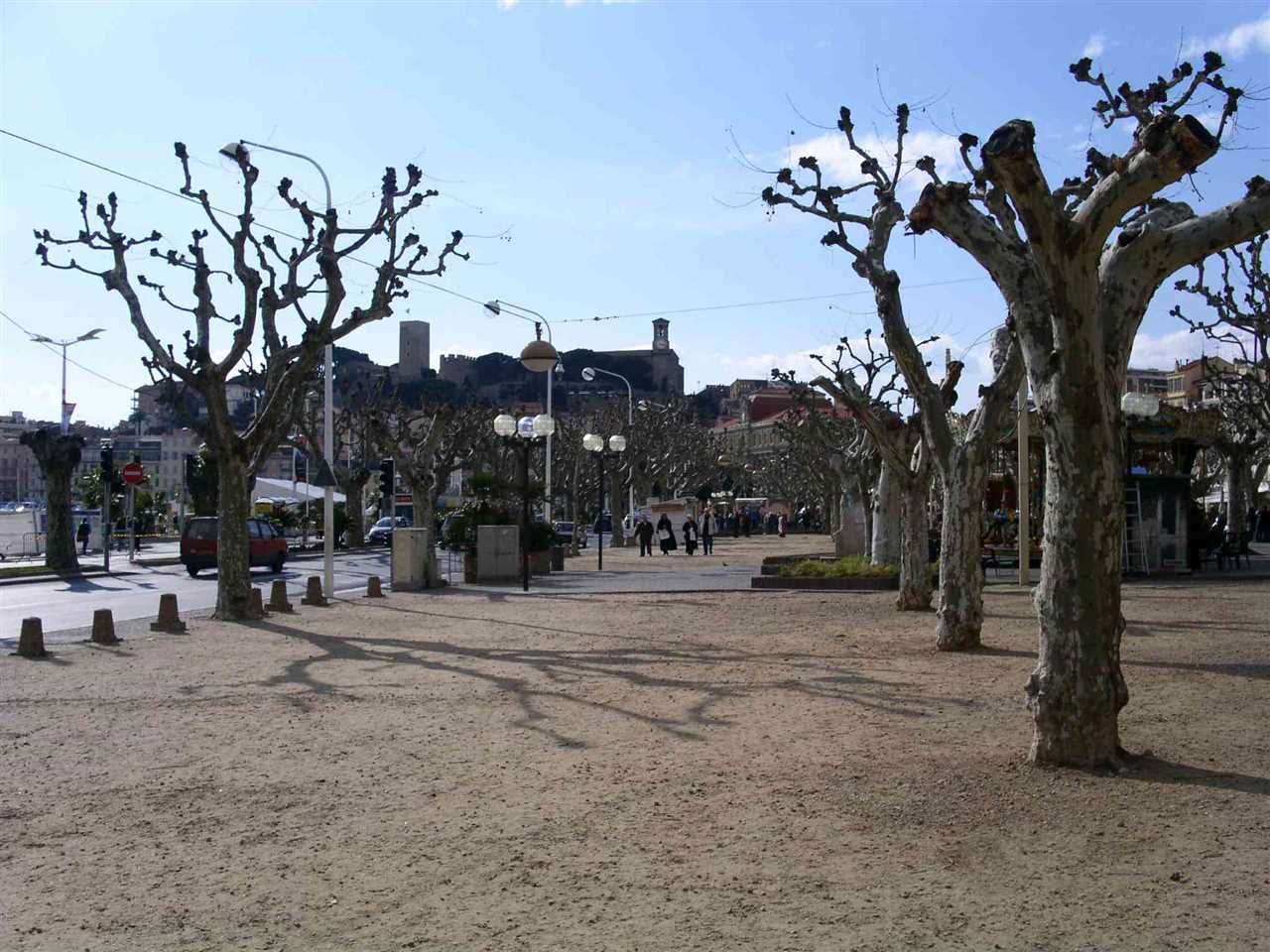
- London Plane (Platanus x acerifolia): The London Plane is a popular choice for pollarding in urban areas due to its tolerance of pollution and ability to withstand pruning. Pollarding helps to maintain the tree’s size and shape, making it suitable for urban environments.
- Pollarded Lime (Tilia spp.): Lime trees, such as the common lime (Tilia europaea) and the small-leaved lime (Tilia cordata), can be pollarded to create a dense, rounded crown. Pollarding also helps to prevent the tree from becoming too large for its surroundings.
- Pollarded Ash (Fraxinus excelsior): Ash trees can be pollarded to control their size and promote the growth of new shoots. The common ash (Fraxinus excelsior) is often pollarded to create a distinctive, knobby appearance.
These are just a few examples of trees that can be pollarded. It’s important to consider the specific needs and characteristics of each tree species before deciding to pollard.
Pruning Techniques
1. Crown Reduction

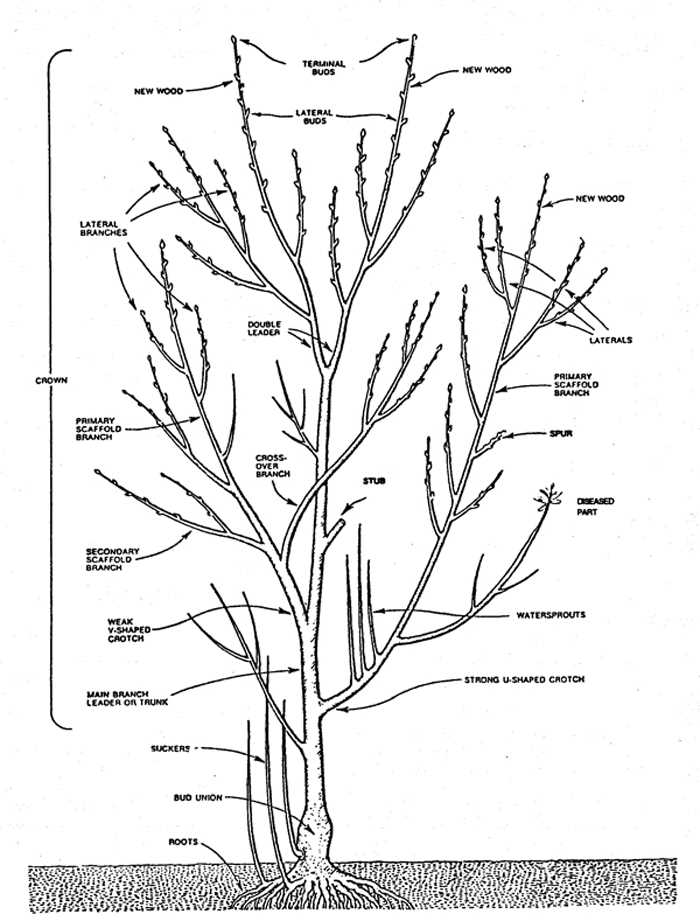
One common pruning technique for trees is crown reduction. This involves reducing the size of the tree’s crown by cutting back the branches. Crown reduction can be done to control the size of the tree, improve its shape, or to remove dead or diseased branches. It is important to carefully select the branches to be pruned and to use proper pruning techniques to avoid damaging the tree.
2. Crown Thinning
Crown thinning is another pruning technique that involves selectively removing branches from the tree’s crown. This helps to increase light penetration and air circulation through the crown, which can be beneficial for the overall health of the tree. It also helps to reduce the weight of the crown, which can help prevent branch breakage during storms or high winds.
3. Crown Raising
Crown raising is a pruning technique that involves removing the lower branches of a tree to create more clearance underneath. This can be done for a variety of reasons, such as to allow for better access to a building or to improve visibility. It is important to carefully select the branches to be pruned and to avoid removing too many branches, as this can negatively impact the tree’s stability and health.
4. Deadwooding
Deadwooding is the process of removing dead or dying branches from a tree. This is an important pruning technique as dead branches can pose a safety hazard, as they are more likely to break and fall. Deadwooding also helps to improve the overall appearance of the tree and can stimulate new growth.
5. Pollarding
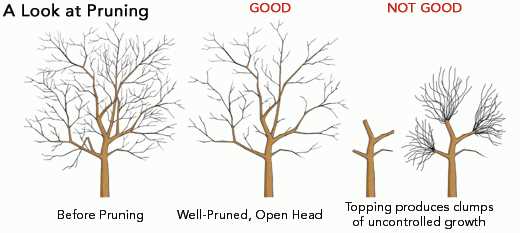
Pollarding is a pruning technique that involves cutting back the main branches of a tree to a predetermined height. This creates a dense, knobby growth of branches and is often used to control the size of the tree or to encourage the growth of new shoots for fodder or firewood. Pollarding is typically done on certain species of trees that respond well to this type of pruning, such as willows or poplars.
6. Espalier

Espalier is a pruning technique that involves training a tree to grow in a flat, two-dimensional form against a wall or trellis. This technique is often used for fruit trees, as it helps to maximize fruit production in a limited space. Espalier involves pruning the tree’s branches and training them to grow in a specific pattern, such as a fan or a cordon.
7. Topiary
Topiary is a pruning technique that involves shaping trees or shrubs into ornamental shapes, such as animals or geometric forms. This technique requires careful pruning and shaping of the tree’s branches and foliage to achieve the desired shape. Topiary is often used in formal gardens or as decorative features in landscapes.
8. Hedge Trimming
Hedge trimming is a pruning technique that involves shaping and maintaining hedges. This can be done using manual tools, such as shears or hedge trimmers, or with mechanical trimmers. Hedge trimming helps to create a neat and tidy appearance for hedges and can also help to promote healthy growth.
9. Fruit Tree Pruning
Pruning techniques for fruit trees can vary depending on the specific type of fruit tree and its growth habits. However, common pruning techniques for fruit trees include thinning out branches to improve light penetration, removing dead or diseased branches, and shaping the tree to promote better fruit production. It is important to follow proper pruning guidelines for each specific type of fruit tree to ensure optimal growth and fruit yield.
10. Training Young Trees
Pruning techniques for young trees are often focused on training the tree to grow in a desired shape or form. This can involve removing competing branches, shaping the tree’s canopy, and pruning to promote a strong and balanced structure. Proper training of young trees can help to ensure their long-term health and vitality.
| Technique | Description |
|---|---|
| Crown Reduction | Reducing the size of the tree’s crown by cutting back branches |
| Crown Thinning | Selectively removing branches from the tree’s crown to increase light penetration and air circulation |
| Crown Raising | Removing lower branches to create more clearance underneath |
| Deadwooding | Removing dead or dying branches |
| Pollarding | Cutting back main branches to a predetermined height to create dense growth |
| Espalier | Training a tree to grow in a flat, two-dimensional form against a wall or trellis |
| Topiary | Shaping trees or shrubs into ornamental forms |
| Hedge Trimming | Shaping and maintaining hedges |
| Fruit Tree Pruning | Pruning techniques specific to fruit trees |
| Training Young Trees | Pruning techniques for training young trees |
When to Prune
Pollarding is a pruning technique that involves cutting back the branches of a tree to the main trunk or a few major branches. This method is typically done during the dormant season, which is usually in late winter or early spring. Pruning during this time allows the tree to heal quickly and promotes new growth in the upcoming growing season.
It is important to note that pollarding should not be done during periods of extreme cold or freezing temperatures, as this can cause damage to the tree. Additionally, it is best to avoid pruning during periods of high humidity or rainfall, as this can increase the risk of disease and infection.
When deciding when to prune, it is also important to consider the specific species of tree. Some trees, such as willows and poplars, are more resilient to pruning and can be pollarded every 1-2 years. Other trees, such as oaks and beeches, are less tolerant to pruning and should be pollarded less frequently, typically every 3-5 years.
Overall, the best time to prune a tree using the pollarding technique is during the dormant season, when the tree is not actively growing. This allows for optimal healing and promotes healthy new growth in the following season. It is important to consider the specific species of tree and to avoid pruning during extreme weather conditions to ensure the best results.
Tools for Pollarding
Pollarding is a tree pruning technique that requires specific tools in order to be done effectively and safely. Here are some essential tools for pollarding:
1. Pruning Saw
A pruning saw is a crucial tool for pollarding. It is used to make clean and precise cuts on the branches. Choose a pruning saw with a curved blade for easier maneuverability and a sharp toothed edge for efficient cutting.
2. Loppers
Loppers are long-handled pruning tools that are ideal for cutting small to medium-sized branches. They have a scissor-like action and are especially useful for reaching branches that are higher up in the tree canopy.
3. Pole Saw
A pole saw is a pruning tool with a long handle and a saw blade at the end. It is designed for cutting branches that are out of reach from the ground. A pole saw allows you to safely and accurately remove higher branches during the pollarding process.
4. Pruning Shears
Pruning shears, also known as secateurs, are handheld cutting tools that are used for trimming small branches and twigs. They have sharp blades that can make precise cuts without damaging the tree’s bark.
5. Safety Equipment
When pollarding trees, it is important to prioritize safety. Make sure to wear appropriate safety equipment such as gloves, safety glasses, and a helmet. This will help protect you from any potential hazards during the pruning process.
Having the right tools for pollarding is essential for maintaining the health and appearance of your trees. Invest in high-quality tools and always follow proper pruning techniques to ensure the best results.
Step-by-Step Pollarding Process
1. Select the Trees
Choose the appropriate trees for pollarding. Common trees that are suitable for pollarding include willows, oaks, and hornbeams. It is important to select healthy and robust trees that can withstand the pruning process.
2. Timing
Pollarding should be done during the dormant season, typically in late winter or early spring. This is when the trees are least likely to be actively growing, making it easier to manage the pruning process.
3. Prepare the Tools

Gather the necessary tools for the pollarding process, including a sharp pruning saw or loppers, a ladder or pole pruner for reaching higher branches, and protective gear such as gloves and safety glasses.
4. Determine the Pollard Height
Decide on the desired height for the pollard. This will depend on the specific tree species and the desired aesthetic or functional outcome. Measure and mark the height on the main trunk of the tree using a measuring tape or marking paint.
5. Make the Initial Cuts
Using the pruning saw or loppers, make an initial cut just above the marked height on the main trunk. This will create the pollard head, which is a knuckle-like structure that will produce new growth after pruning. Make a clean and angled cut to minimize the risk of disease or insect infestation.
6. Remove the Branches
Next, remove all the branches below the pollard head. Cut each branch close to the main trunk, leaving a small stub to promote healing. Be careful not to damage the pollard head or the main trunk during this process.
7. Repeat the Process
Repeat the same process for each branch that is above the desired pollard height. Make clean cuts just above the marked height, removing the branches completely. Take care to maintain the desired shape and structure of the tree.
8. Prune Annually
After the initial pollarding, it is important to prune the tree annually to maintain its shape and health. This typically involves removing new growth that emerges from the pollard head, as well as any dead or diseased branches.
9. Dispose of Pruned Material

Properly dispose of the pruned material, either by composting it or arranging for its removal. Do not leave the pruned branches or debris around the tree, as it can attract pests or harbor diseases.
10. Monitor and Maintain
Regularly monitor the pollarded trees for any signs of disease, pests, or structural issues. Provide necessary care, such as watering and fertilizing, to promote healthy growth. Maintain the desired shape and structure through regular pruning.
Following these step-by-step instructions will help you successfully pollard your trees and achieve the desired results. Remember to consult a professional arborist if you are unsure or inexperienced in tree pruning techniques.
Maintenance Techniques
Regular Pruning
Pollarding trees require regular pruning to maintain their shape and health. This involves cutting back the branches to a predetermined point, usually at a height of around 6 to 8 feet from the ground. Regular pruning helps to control the size of the tree and encourages new growth.
Pruning Schedule
The frequency of pruning for pollarded trees depends on the specific species and desired growth pattern. Generally, it is recommended to prune every 1 to 3 years. The best time to prune is during the dormant season, typically in late winter or early spring.
Branch Removal
When pruning a pollarded tree, it is important to remove any dead, diseased, or damaged branches. This helps to maintain the overall health of the tree and prevents the spread of diseases. Additionally, removing crossing or rubbing branches can improve the tree’s structure and prevent future issues.
Crown Maintenance
Regular maintenance of the crown is essential for pollarded trees. This involves removing any suckers or water sprouts that may grow from the trunk or main branches. It is also important to thin out the crown by selectively removing branches to allow for better airflow and sunlight penetration.
Stool Management
The stool, which is the main trunk or structure of a pollarded tree, should be inspected and managed regularly. Any signs of decay, damage, or weakness should be addressed promptly. It is also important to monitor the growth of new shoots and remove any that may be competing with the main stool.
Tree Health Monitoring
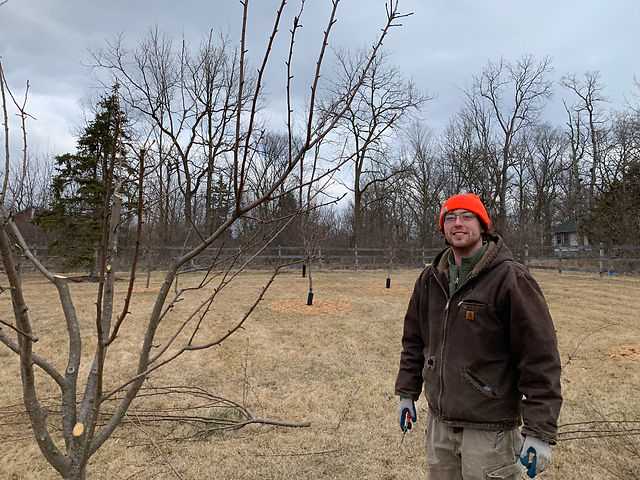
Regularly monitoring the health of a pollarded tree is crucial to detect any signs of pests, diseases, or nutrient deficiencies. This can be done by inspecting the leaves, bark, and overall appearance of the tree. If any issues are identified, appropriate measures should be taken to address them.
Mulching and Fertilizing
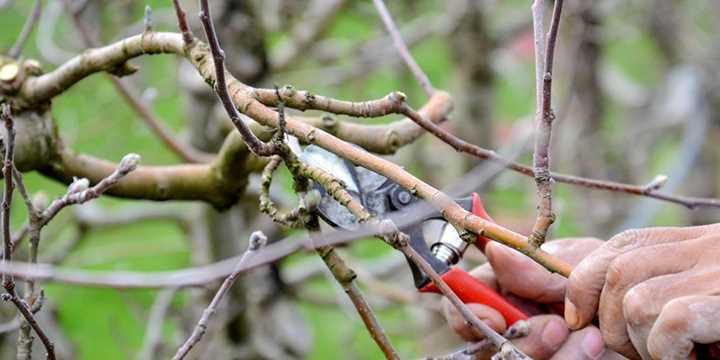
Applying a layer of organic mulch around the base of a pollarded tree can help conserve moisture, suppress weeds, and provide nutrients. Additionally, fertilizing the tree with a balanced slow-release fertilizer can promote healthy growth and overall vigor.
Professional Assistance
While regular maintenance of pollarded trees can be done by homeowners, it is often recommended to seek professional assistance for more complex pruning or maintenance tasks. Professional arborists have the knowledge and expertise to ensure the proper care of pollarded trees and can help prevent any potential damage or harm.
Conclusion
Maintenance techniques are essential for the health and longevity of pollarded trees. Regular pruning, branch removal, crown maintenance, and stool management are key aspects of maintaining the desired shape and promoting healthy growth. Monitoring tree health, mulching, fertilizing, and seeking professional assistance when needed are also important factors in maintaining the overall health and beauty of pollarded trees.
Watering and Fertilizing
Watering
Proper watering is essential for the health and growth of trees. While mature trees can usually survive periods of drought, young and newly planted trees require regular watering to establish strong root systems.
Here are some tips for watering trees:
- Water deeply and infrequently: Instead of frequent shallow watering, it is better to water deeply and less frequently. This encourages the roots to grow deeper into the soil.
- Water at the right time: Watering in the early morning or late afternoon is ideal, as it allows the water to soak into the soil before it evaporates in the heat of the day.
- Use a soaker hose or drip irrigation: These methods deliver water directly to the roots, minimizing water waste through evaporation or runoff.
- Monitor soil moisture: Check the moisture level of the soil regularly. Stick your finger into the soil to a depth of a few inches. If it feels dry, it’s time to water.
Fertilizing

Fertilizing trees can help provide them with the nutrients they need for healthy growth. However, it is important to use the right type and amount of fertilizer.
Here are some guidelines for fertilizing trees:
- Choose the right fertilizer: Different trees have different nutrient requirements. Consult a local arborist or horticulturist to determine the best fertilizer for your specific tree species.
- Apply fertilizer at the right time: Fertilize in early spring or late fall when the tree is actively growing. Avoid fertilizing during periods of drought or extreme heat.
- Follow the instructions: Read and follow the instructions on the fertilizer package carefully. Applying too much fertilizer can harm the tree.
- Distribute the fertilizer evenly: Spread the fertilizer evenly around the tree, avoiding direct contact with the trunk.
Remember, proper watering and fertilizing are essential for maintaining the health and vitality of your trees. By following these guidelines, you can help your trees thrive and enjoy their beauty for years to come.
Video:Pollarding Trees A Guide to Pruning and Maintenance Techniques
How To Pollard A Tree
PRUNING FRUIT TREES | BEST SHAPES for SIZE and PRODUCTION

Hello, I am Beverly J. Sanders, the voice behind the diverse articles you come across on styves.co.za. My passion lies in exploring the nuances of home improvement and sharing tips that can help you transform your living space into a haven of comfort and style. From the latest trends in home decor to practical cleaning advice, I cover a broad spectrum of topics to cater to a wide variety of interests.
In my recent works, I have delved into the advantages of incorporating a horizontal Murphy bed into your home to save space without compromising on design and functionality. I also explored the benefits of having a free-standing electric fireplace that not only adds warmth to your home but also brings a sleek and modern design to any living space. My articles are a rich resource, offering insights into different products and home improvement strategies that can enhance the quality of your life.
I believe in the power of details; a belief that reflects in my comprehensive guides where I discuss even the overlooked aspects of home decor, such as the impact of baseboard trim in enhancing the overall look and feel of your home. I am constantly on the lookout for innovative solutions and products that can add value to your home and life.
Join me in my exploration as I continue to bring you the latest trends, tips, and insights in the home improvement world. Let’s create a home that is not just a place to live, but a reflection of style and personality.