Contents
Everything you need to know about porcelain sinks – The ultimate guide
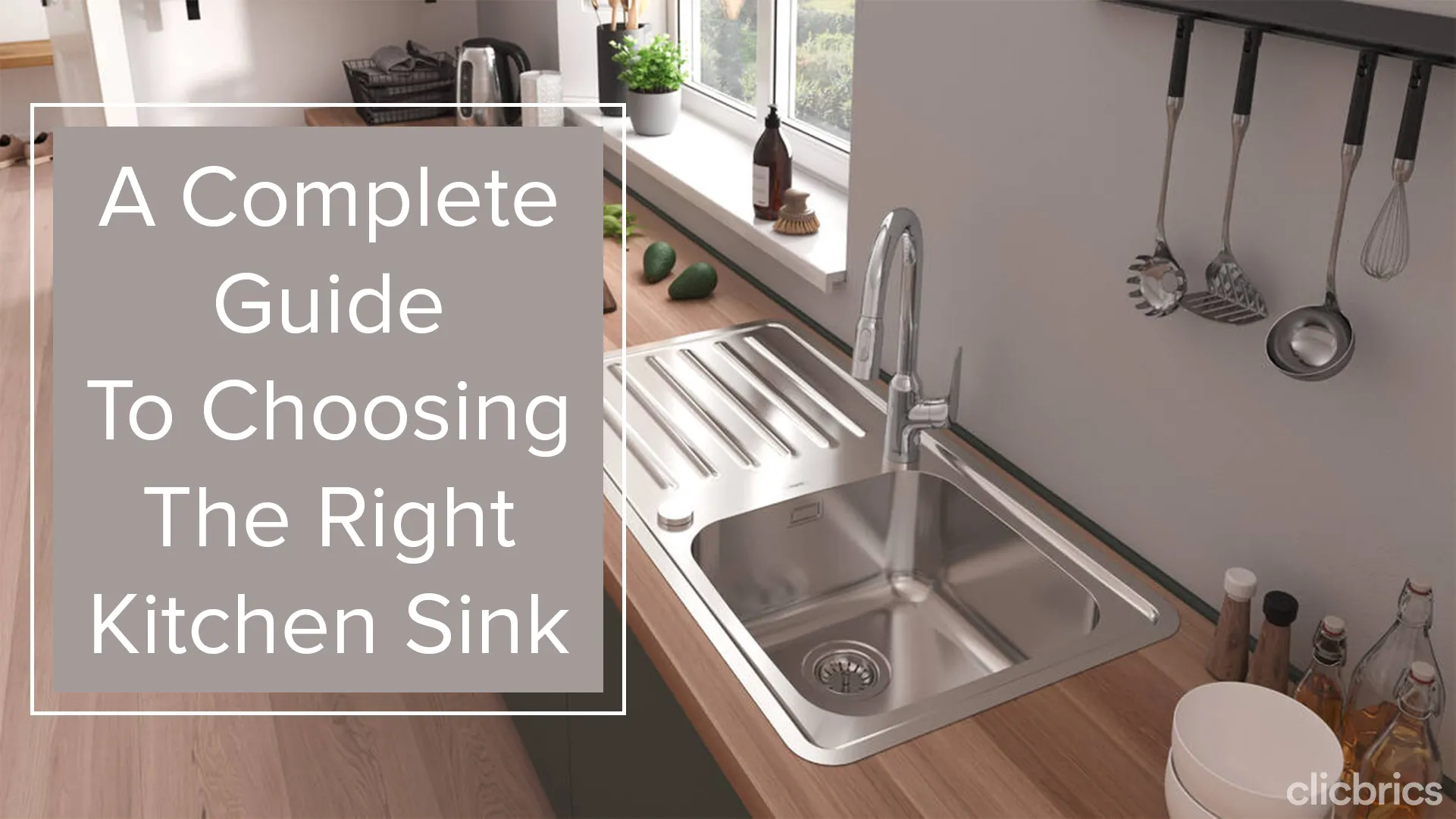
Porcelain sinks are a popular choice for many homeowners due to their timeless beauty and durability. Whether you are renovating your bathroom or kitchen, a porcelain sink can add a touch of elegance to any space. In this ultimate guide, we will explore everything you need to know about porcelain sinks, from their history and manufacturing process to their advantages and maintenance tips.
Porcelain sinks have been around for centuries and have a rich history that dates back to ancient China. The word “porcelain” itself comes from the Italian word “porcellana,” which means cowrie shell. This is because early porcelain was thought to resemble the smooth, white shell of a cowrie. Today, porcelain sinks are made from a mixture of clay, feldspar, and silica, which is then fired at high temperatures to create a strong and durable material.
One of the main advantages of porcelain sinks is their beauty. The smooth, glossy finish of porcelain gives it a luxurious look that can elevate the style of any bathroom or kitchen. Additionally, porcelain sinks are available in a wide range of colors and designs, allowing you to choose a sink that complements your existing decor. Whether you prefer a classic white sink or a vibrant, patterned design, there is a porcelain sink to suit your taste.
Porcelain sinks are not only beautiful but also highly durable. They are resistant to scratches, stains, and heat, making them an ideal choice for busy kitchens and bathrooms. Unlike other materials, such as stainless steel or acrylic, porcelain sinks do not fade or discolor over time. With proper care and maintenance, a porcelain sink can last for many years, making it a wise investment for your home.
Maintaining a porcelain sink is relatively easy. Regular cleaning with a mild soap or detergent and a soft cloth is usually sufficient to keep the sink looking its best. Avoid using abrasive cleaners or scrub brushes, as they can scratch the surface of the sink. If you do encounter any stains or stubborn dirt, a paste made from baking soda and water can help remove them. Additionally, it is important to avoid dropping heavy objects into the sink, as this can cause chipping or cracking.
Understanding Porcelain Sinks
Porcelain sinks are a popular choice for many homeowners due to their durability, versatility, and classic appearance. Understanding the features and benefits of porcelain sinks can help you make an informed decision when selecting a sink for your kitchen or bathroom.
1. What is a Porcelain Sink?
A porcelain sink is a type of sink made from porcelain, a ceramic material that is fired at high temperatures to create a smooth, glossy finish. Porcelain sinks are known for their strength and resistance to stains, chips, and scratches.
2. Types of Porcelain Sinks
There are several types of porcelain sinks available, including:
- Undermount sinks: These sinks are installed underneath the countertop for a seamless look.
- Drop-in sinks: Also known as self-rimming or top-mount sinks, these sinks are installed by dropping them into a hole in the countertop.
- Vessel sinks: These sinks sit on top of the countertop and are often used in bathrooms for a modern, stylish look.
- Farmhouse sinks: Also known as apron sinks, these sinks have a large, deep basin and a decorative front panel that extends past the edge of the countertop.
3. Advantages of Porcelain Sinks
Porcelain sinks offer several advantages:
- Durability: Porcelain sinks are resistant to stains, chips, and scratches, making them a long-lasting option for your kitchen or bathroom.
- Easy to clean: The smooth, non-porous surface of porcelain sinks makes them easy to clean and maintain.
- Heat resistance: Porcelain sinks can withstand high temperatures without being damaged, making them ideal for use in the kitchen.
- Versatility: Porcelain sinks come in a variety of styles, sizes, and colors, allowing you to find the perfect sink to complement your space.
4. Care and Maintenance
To keep your porcelain sink looking its best, it’s important to follow these care and maintenance tips:
- Avoid abrasive cleaners: Use a mild soap or non-abrasive cleaner to clean your porcelain sink.
- Avoid sharp objects: Avoid using sharp objects or abrasive materials that can scratch or damage the surface of the sink.
- Wipe up spills promptly: Stains can be more difficult to remove if left to sit on the surface of the sink.
- Regular cleaning: Regularly clean your porcelain sink to prevent the buildup of dirt, grime, and soap residue.
5. Conclusion
Porcelain sinks are a durable, versatile, and attractive option for your kitchen or bathroom. Understanding the features and benefits of porcelain sinks can help you choose the right sink for your needs and ensure its longevity with proper care and maintenance.
What is a porcelain sink?
A porcelain sink is a type of sink that is made from porcelain, a ceramic material that is fired at high temperatures to create a smooth, durable surface. Porcelain sinks are known for their elegant appearance and are commonly used in bathrooms and kitchens.
Porcelain sinks are made by coating a ceramic or cast iron base with a layer of porcelain enamel. This enamel is then fired in a kiln at temperatures of around 2000°F (1093°C), which causes it to become extremely hard and resistant to stains and scratches.
Porcelain sinks come in a variety of styles and colors, allowing homeowners to choose a sink that complements their overall design aesthetic. They can be found in traditional, contemporary, and vintage styles, making them a versatile choice for any home.
One of the main advantages of porcelain sinks is their durability. The porcelain enamel coating is resistant to chipping, cracking, and fading, making it a long-lasting option for a sink. Additionally, porcelain sinks are easy to clean and maintain, requiring only regular cleaning with non-abrasive cleaners.
However, it is important to note that porcelain sinks can be more prone to staining than other types of sinks. While the porcelain enamel is resistant to most stains, it can still be stained by certain substances, such as coffee, tea, and red wine. It is important to clean up spills promptly to prevent staining.
Overall, porcelain sinks are a popular choice for homeowners due to their timeless beauty, durability, and easy maintenance. Whether you are remodeling your bathroom or kitchen, a porcelain sink can be a stylish and functional addition to your home.
Advantages of porcelain sinks
Porcelain sinks have become a popular choice for many homeowners due to their numerous advantages. Here are some of the key benefits of using a porcelain sink:
- Durability: Porcelain sinks are known for their durability and long lifespan. They are resistant to chipping, scratching, and staining, making them a practical choice for busy kitchens and bathrooms.
- Easy to clean: Porcelain sinks have a smooth, non-porous surface that is easy to clean. They do not absorb stains or odors, and can be easily wiped clean with a damp cloth or mild soap and water.
- Heat resistance: Porcelain sinks can withstand high temperatures without being damaged. This makes them ideal for use in kitchens, where hot pans and dishes may come into contact with the sink surface.
- Aesthetic appeal: Porcelain sinks are available in a wide range of colors and styles, allowing homeowners to choose a sink that complements their overall design aesthetic. They can add a touch of elegance and sophistication to any kitchen or bathroom.
- Hygienic: Porcelain sinks are hygienic and resistant to bacteria and germs. Their smooth surface makes it difficult for bacteria to adhere and grow, promoting a cleaner and healthier environment.
- Affordability: Porcelain sinks are generally more affordable compared to other sink materials such as stainless steel or granite. They offer a cost-effective option for homeowners who want a durable and stylish sink without breaking the bank.
Overall, porcelain sinks offer a combination of durability, easy maintenance, aesthetic appeal, and affordability, making them a popular choice for both kitchens and bathrooms.
Disadvantages of porcelain sinks
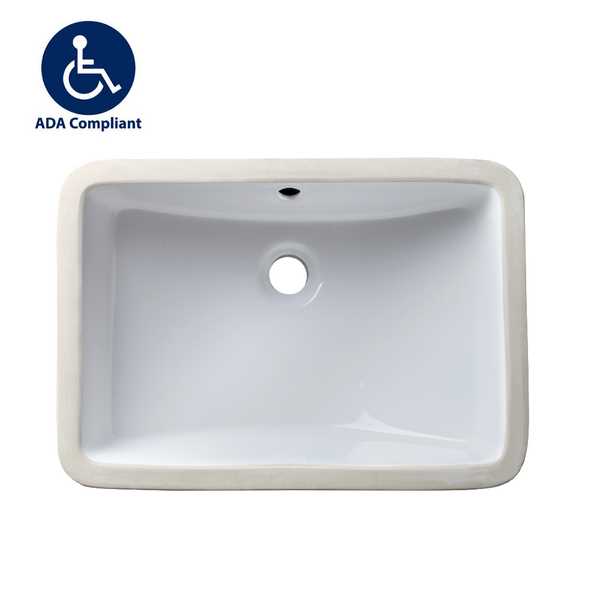
Porcelain sinks, while popular for their elegant appearance, do have some disadvantages that you should be aware of before making a purchase decision. Here are a few drawbacks to consider:
- Prone to chipping and cracking: Porcelain sinks are more susceptible to chipping and cracking compared to other materials. Dropping a heavy object or accidentally banging it with a hard object can cause damage to the sink’s surface.
- Stains easily: Porcelain sinks are prone to staining, especially if they are not properly cleaned and maintained. Certain substances, such as coffee, tea, and red wine, can leave stubborn stains that are difficult to remove.
- Requires regular cleaning: To prevent stains and maintain the sink’s appearance, regular cleaning is necessary. Porcelain sinks can quickly show water spots, soap scum, and other marks, requiring frequent cleaning to keep them looking their best.
- Can be expensive: Porcelain sinks tend to be more expensive compared to other sink materials. The cost can vary depending on the size, style, and brand, making them less budget-friendly for some homeowners.
- Not as durable as some other materials: While porcelain sinks are generally durable, they are not as durable as materials like stainless steel or cast iron. They are more prone to scratches, chips, and cracks, which can affect their lifespan.
Despite these disadvantages, many homeowners still choose porcelain sinks for their beauty and timeless appeal. By taking proper care and being mindful of their limitations, porcelain sinks can provide years of functionality and style to your kitchen or bathroom.
Choosing the Right Porcelain Sink
When it comes to selecting a porcelain sink for your bathroom or kitchen, there are several factors to consider. The right sink can not only enhance the overall aesthetic of the space but also provide functionality and durability. Here are some key points to keep in mind when choosing a porcelain sink:
- Size: Consider the available space and the size of the sink that will fit best. Measure the area where the sink will be installed to ensure a proper fit.
- Style: Porcelain sinks come in a variety of styles, including drop-in, undermount, pedestal, and vessel sinks. Choose a style that complements the overall design of your bathroom or kitchen.
- Color: Porcelain sinks are available in various colors, from classic white to bold shades. Consider the color scheme of your space and choose a sink that will blend well.
- Shape: Sinks can be found in different shapes, such as oval, rectangular, square, or round. Consider the style of your bathroom or kitchen and choose a shape that will complement the overall design.
- Installation: Determine the type of installation you prefer. Drop-in sinks are easy to install and can be placed on top of the countertop, while undermount sinks are installed underneath the countertop for a seamless look.
- Budget: Set a budget for your sink purchase and consider the cost of installation if necessary. Porcelain sinks come in a range of prices, so it’s important to find one that fits within your budget.
- Maintenance: Consider the maintenance requirements of the sink. Porcelain sinks are generally easy to clean, but some may require more care than others. Check the manufacturer’s recommendations for cleaning and maintenance.
By considering these factors, you can choose the right porcelain sink that meets your needs and enhances the overall look of your bathroom or kitchen.
Considerations for selecting a porcelain sink
When it comes to selecting a porcelain sink for your bathroom or kitchen, there are several important factors to consider. Here are some key considerations to keep in mind:
- Durability: Porcelain sinks are known for their durability and resistance to chipping and scratching. However, it is important to choose a high-quality porcelain sink to ensure long-lasting durability.
- Style: Porcelain sinks come in a variety of styles and designs, so it is important to choose one that complements the overall aesthetic of your space. Consider factors such as color, shape, and finish when selecting a porcelain sink.
- Size: Measure the available space in your bathroom or kitchen to determine the appropriate size of the porcelain sink. Consider factors such as the depth and width of the sink to ensure it fits properly in your space.
- Maintenance: Porcelain sinks require regular cleaning and maintenance to keep them looking their best. Consider the level of maintenance required for different types of porcelain sinks, such as those with a glossy finish or those with a matte finish.
- Installation: Consider the installation process for the porcelain sink. Some sinks require professional installation, while others can be easily installed by homeowners. Be sure to choose a sink that aligns with your installation capabilities.
- Price: Consider your budget when selecting a porcelain sink. Prices can vary depending on the quality and design of the sink, so it is important to find a balance between quality and affordability.
By considering these factors, you can choose the perfect porcelain sink for your bathroom or kitchen that meets your needs and enhances the overall design of your space.
Size and Style
Porcelain sinks come in a variety of sizes and styles to suit different needs and preferences. The size of the sink is an important consideration, as it should be proportionate to the size of your bathroom or kitchen. A small sink may look out of place in a large bathroom, while a large sink may overwhelm a small kitchen.
When choosing the size of your porcelain sink, consider the available space and the functionality you require. If you have a small bathroom or kitchen, a compact sink may be the best option. These smaller sinks are typically around 15-20 inches in width and depth, making them ideal for tight spaces.
On the other hand, if you have a spacious bathroom or kitchen, you may opt for a larger porcelain sink. These sinks can be as wide as 30-36 inches or more, providing ample space for washing dishes or performing other tasks. They can also add a touch of elegance and grandeur to the room.
In terms of style, porcelain sinks come in various designs to suit different aesthetics. Some popular styles include:
- Traditional: These sinks often feature classic shapes and ornate details, making them perfect for vintage or traditional-style bathrooms and kitchens.
- Contemporary: Contemporary porcelain sinks have clean lines and minimalist designs, making them a great choice for modern and minimalist spaces.
- Farmhouse: Farmhouse-style porcelain sinks have a rustic and charming appeal, with a deep basin and an exposed front apron. They are often seen in country-style kitchens.
- Vessel: Vessel sinks are mounted on top of the counter, creating a striking visual statement. They are available in various shapes and sizes, adding a touch of sophistication to any bathroom.
When choosing the style of your porcelain sink, consider the overall design theme of your bathroom or kitchen. The sink should complement the existing fixtures and decor to create a cohesive and visually appealing space.
Overall, the size and style of your porcelain sink should be chosen based on your personal preferences, the available space, and the overall design theme of your bathroom or kitchen. With the wide range of options available, you are sure to find a porcelain sink that fits your needs and enhances the aesthetics of your space.
Installation options
When it comes to installing a porcelain sink, there are a few options to consider. The installation method you choose will depend on your personal preferences and the specific requirements of your sink.
Undermount
An undermount sink is installed underneath the countertop, creating a seamless look. This type of installation is popular for its clean and sleek appearance. It also allows for easy cleanup as there are no edges or seams to catch dirt and debris.
Drop-in
A drop-in sink, also known as a self-rimming or top-mount sink, is installed by dropping it into a pre-cut hole in the countertop. The sink has a lip that rests on top of the countertop, creating a visible edge. This type of installation is relatively easy and versatile, as it can be used with any type of countertop material.
Vessel
A vessel sink sits on top of the countertop, creating a bold and eye-catching look. This type of installation is often used in modern and contemporary designs. It requires a specific type of countertop with a hole cut out to accommodate the sink.
Wall-mounted
A wall-mounted sink is attached directly to the wall, without the need for a countertop. This type of installation is commonly used in small bathrooms or powder rooms where space is limited. It provides a clean and minimalist look.
Corner
A corner sink is designed to fit into the corner of a room, maximizing space utilization. This type of installation is ideal for small bathrooms or kitchens where every inch counts.
Farmhouse
A farmhouse sink, also known as an apron sink, has a large, exposed front that extends past the edge of the countertop. This type of installation adds a rustic and charming touch to any kitchen. It requires a specific type of cabinet and countertop to accommodate the sink.
Tabletop
A tabletop sink is a small sink that sits on top of a table or vanity. This type of installation is often used in powder rooms or small bathrooms where space is limited. It adds a unique and decorative element to the space.
Before choosing an installation option, make sure to consider the size and shape of your sink, as well as the overall design and layout of your space. It’s also important to consult with a professional to ensure proper installation and compatibility with your existing plumbing.
Maintenance requirements
Porcelain sinks are known for their durability and low maintenance requirements. However, to keep your porcelain sink looking its best, there are a few maintenance tasks you should regularly perform:
- Clean regularly: Wipe down the sink with a soft cloth and mild soap or a non-abrasive cleaner. Avoid using harsh chemicals or abrasive scrub brushes, as they can damage the porcelain surface.
- Avoid staining agents: Porcelain sinks are susceptible to staining from certain substances, such as coffee, tea, and red wine. To prevent stains, wipe up spills as soon as possible and avoid leaving these substances sitting in the sink for extended periods of time.
- Prevent scratches: While porcelain sinks are resistant to scratches, it’s still a good idea to avoid using abrasive materials or scrub brushes that can potentially scratch the surface. Be careful when handling heavy pots and pans to prevent accidentally dropping them in the sink.
- Protect the surface: Consider using a sink grid or mat to protect the bottom of the sink from scratches and dents. This can also help prevent dishes and utensils from making direct contact with the porcelain surface.
- Regularly check for cracks or chips: Inspect your porcelain sink on a regular basis for any signs of cracks or chips. If you notice any damage, it’s important to address it promptly to prevent further issues.
By following these maintenance requirements, you can ensure that your porcelain sink remains in excellent condition for years to come.
Video:Everything you need to know about porcelain sinks – The ultimate guide
Top 5 Best Kitchen Sink 2023 | Workstation Kitchen Sinks Buying Guide
Everything you need to know about PORCELAIN COUNTERTOPS
How To Install A Toilet Bowl | Best Product On The Market!

Hello, I am Beverly J. Sanders, the voice behind the diverse articles you come across on styves.co.za. My passion lies in exploring the nuances of home improvement and sharing tips that can help you transform your living space into a haven of comfort and style. From the latest trends in home decor to practical cleaning advice, I cover a broad spectrum of topics to cater to a wide variety of interests.
In my recent works, I have delved into the advantages of incorporating a horizontal Murphy bed into your home to save space without compromising on design and functionality. I also explored the benefits of having a free-standing electric fireplace that not only adds warmth to your home but also brings a sleek and modern design to any living space. My articles are a rich resource, offering insights into different products and home improvement strategies that can enhance the quality of your life.
I believe in the power of details; a belief that reflects in my comprehensive guides where I discuss even the overlooked aspects of home decor, such as the impact of baseboard trim in enhancing the overall look and feel of your home. I am constantly on the lookout for innovative solutions and products that can add value to your home and life.
Join me in my exploration as I continue to bring you the latest trends, tips, and insights in the home improvement world. Let’s create a home that is not just a place to live, but a reflection of style and personality.