Contents
- 1 What is the Ideal Height for a Bathroom Vanity? Get Expert Advice and Tips for Choosing the Perfect Vanity Height.
What is the Ideal Height for a Bathroom Vanity? Get Expert Advice and Tips for Choosing the Perfect Vanity Height.

When it comes to designing or renovating a bathroom, one of the most important decisions you’ll need to make is choosing the right vanity. The vanity is not only a functional piece of furniture, but it also sets the tone for the entire space. One of the key considerations when selecting a vanity is the height.
The standard height for a bathroom vanity typically ranges from 30 to 36 inches. This measurement includes both the cabinet and the countertop. However, it’s important to note that there is some flexibility in this standard. Some people prefer a taller vanity for added storage space, while others opt for a lower vanity to accommodate shorter individuals or children.
The height of the sink is also an important factor to consider. The sink should be positioned at a comfortable height for the user, typically around 32 to 36 inches from the floor. This ensures that the user won’t have to strain or bend over too much while using the sink.
In addition to the vanity and sink height, the placement of the mirror and lighting is also crucial. The mirror should be positioned at eye level for most users, which is typically around 60 to 70 inches from the floor. This allows for easy and comfortable use of the mirror while standing in front of the vanity. The lighting should be placed on either side of the mirror to minimize shadows and provide adequate illumination for tasks such as shaving or applying makeup.
Overall, the standard height for a bathroom vanity is an important consideration when designing or renovating a bathroom. It’s essential to find the right balance between functionality and aesthetics to create a space that is both practical and visually pleasing. Consulting with a design professional can help ensure that you make the best decision for your specific needs and preferences.
Understanding the Importance of Proper Bathroom Vanity Height

When designing or renovating a bathroom, it is important to consider the proper height for your bathroom vanity. The vanity is a central element of any bathroom and plays a crucial role in both functionality and aesthetics.
The height of your bathroom vanity affects several aspects of your bathroom, including the comfort and functionality of the space. Here are a few reasons why proper vanity height is important:
- Ergonomics: The height of your vanity should be comfortable for the average user. A vanity that is too low can cause strain on the back and neck, while a vanity that is too high can be uncomfortable to use. Finding the right height ensures that you can use the sink and countertop without any discomfort.
- Lighting and Mirror Placement: The height of the vanity affects the placement of lighting fixtures and mirrors. Properly positioning the vanity at the right height allows for adequate lighting and ensures that the mirror is at the correct height for easy use.
- Storage and Cabinet Access: The height of the vanity determines the accessibility and functionality of the storage space within the cabinet. If the vanity is too low, it may be difficult to reach items stored in the cabinet. On the other hand, if the vanity is too high, it may be challenging to access the storage space comfortably.
- Sink Height: The height of the vanity affects the positioning of the sink. A vanity that is too low may result in a sink that is too high, causing water splashes and discomfort while using the sink. Conversely, a vanity that is too high may result in a sink that is too low, causing strain on the back and neck.
Overall, the proper height of your bathroom vanity is essential for creating a functional and comfortable space. It ensures that you can use the sink, countertop, and storage areas without any discomfort or strain. Additionally, it allows for proper placement of lighting fixtures and mirrors, enhancing the overall aesthetics of the bathroom.
When determining the height of your bathroom vanity, consider the average height of the users, the placement of lighting fixtures and mirrors, and the accessibility of the storage space. Taking these factors into account will help you create a bathroom that is both practical and visually appealing.
Ergonomics and Comfort

When designing a bathroom, it is important to consider the ergonomics and comfort of the space. The height of the bathroom vanity plays a significant role in ensuring that the sink, countertop, and cabinet are at the right level for easy use.
Firstly, the height of the vanity should be comfortable for the average adult user. The standard height for a bathroom vanity is typically around 32 inches (81 cm). This height allows most people to comfortably reach the sink and use the countertop without straining their back or arms.
In addition to the height of the vanity, the height of the sink itself should also be considered. A sink that is too high or too low can cause discomfort and inconvenience. The standard height for a bathroom sink is around 34 to 36 inches (86 to 91 cm) from the floor. This height ensures that the sink is at a comfortable level for washing hands and face.
Another important aspect of bathroom design is storage. The vanity cabinet should be at a height that allows for easy access to the storage space. The standard height for a bathroom vanity cabinet is typically around 30 inches (76 cm). This height ensures that the cabinet is at a comfortable level for reaching items stored inside.
Lighting is also an important consideration when it comes to bathroom design. The height of the vanity should be such that it allows for proper placement of lighting fixtures. The standard height for bathroom vanity lighting is typically around 75 to 80 inches (190 to 203 cm) from the floor. This height ensures that the lighting is at a suitable level for illuminating the face and providing adequate visibility.
In conclusion, when designing a bathroom, it is important to consider the ergonomics and comfort of the space. The height of the vanity, sink, cabinet, and lighting should all be taken into account to ensure a comfortable and functional bathroom. By following the standard height guidelines, you can create a bathroom that is both stylish and practical.
Accessibility and Universal Design
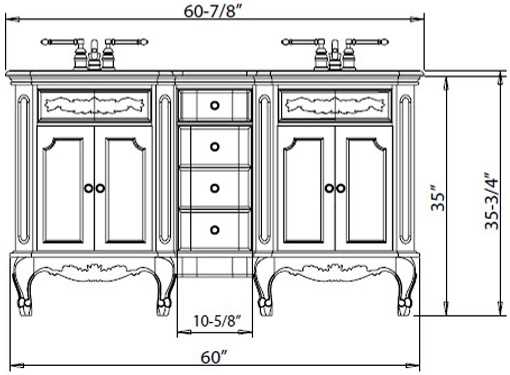
When designing a bathroom vanity, it is important to consider accessibility and universal design principles. These principles aim to create spaces that are usable and accessible to people of all ages and abilities.
One aspect to consider is the height of the countertop. The standard height for a bathroom vanity is typically around 32 to 36 inches. However, for improved accessibility, it is recommended to lower the height to around 30 inches. This lower height allows for easier access for individuals who may use a wheelchair or have difficulty reaching higher surfaces.
In addition to the height, lighting is an important consideration. Adequate lighting is essential for individuals with visual impairments or those who may have difficulty seeing in low light conditions. Installing bright, evenly distributed lighting above the vanity area can help improve visibility and accessibility.
Another consideration is the design of the cabinet and sink. It is important to choose a cabinet and sink that are wheelchair accessible. This may involve selecting a cabinet with an open bottom or adjustable shelves to accommodate a wheelchair. The sink should also be at a height that is comfortable for individuals in a wheelchair to use.
Storage is another important aspect of a bathroom vanity. Including ample storage options can help individuals keep their bathroom organized and accessible. Consider including drawers, shelves, or cabinets that are easy to reach and use. This can help individuals with limited mobility or reach maintain their independence in the bathroom.
Overall, when designing a bathroom vanity, it is important to consider the principles of accessibility and universal design. By making small adjustments to the height, lighting, cabinet design, and storage options, you can create a bathroom vanity that is accessible and usable for individuals of all abilities.
Aesthetics and Visual Balance
When it comes to designing a bathroom, aesthetics and visual balance play a crucial role in creating a harmonious and appealing space. The height of a bathroom vanity is an important factor in achieving this balance.
One of the key aspects to consider is the storage capacity of the vanity. A taller vanity provides more storage space, allowing you to keep all your bathroom essentials organized and easily accessible. However, it’s important to find a balance between storage and visual appeal. A vanity that is too tall may overpower the space and make the bathroom feel cramped.
The height of the vanity should also be considered in relation to other elements in the bathroom, such as lighting fixtures. The countertop should be at a comfortable height for everyday use, and the sink should be positioned at a height that allows for easy access and use. Additionally, the height of the mirror should be taken into account, as it should be positioned at a height that allows for proper reflection and functionality.
Another important factor to consider is the height of the cabinet doors. The doors should be at a height that allows for easy opening and closing, without causing strain on the user. This is especially important for individuals with mobility issues or disabilities.
Overall, finding the right height for a bathroom vanity is a balancing act between functionality and aesthetics. It’s important to consider the storage needs, lighting fixtures, countertop height, sink height, mirror height, and cabinet door height to create a visually pleasing and functional bathroom space.
Factors to Consider When Determining Bathroom Vanity Height
When determining the height of a bathroom vanity, there are several factors to consider to ensure optimal functionality and aesthetics. The height of the vanity will impact the overall design and functionality of the bathroom space.
1. Mirror Height: The height of the bathroom vanity should be determined based on the height of the mirror. The mirror should be positioned at eye level for most people, so the vanity should be at a height that allows for comfortable use of the mirror.
2. Cabinet and Countertop Height: The height of the vanity should also be determined by the height of the cabinet and countertop. The cabinet and countertop should be at a comfortable height for use, allowing for easy access to the sink and storage space.
3. Sink Height: The height of the vanity should also take into consideration the height of the sink. The sink should be at a height that allows for comfortable use, without causing strain on the back or shoulders.
4. Storage Space: The height of the vanity should also be determined based on the desired amount of storage space. If you want more storage space, a taller vanity may be necessary to accommodate additional cabinets or shelves.
5. Lighting: The height of the vanity should also be considered in relation to the lighting in the bathroom. The vanity should be at a height that allows for proper lighting of the mirror and countertop area.
Overall, when determining the height of a bathroom vanity, it is important to consider the mirror height, cabinet and countertop height, sink height, desired storage space, and lighting. By taking these factors into consideration, you can ensure that your bathroom vanity is both functional and aesthetically pleasing.
User Height and Preference
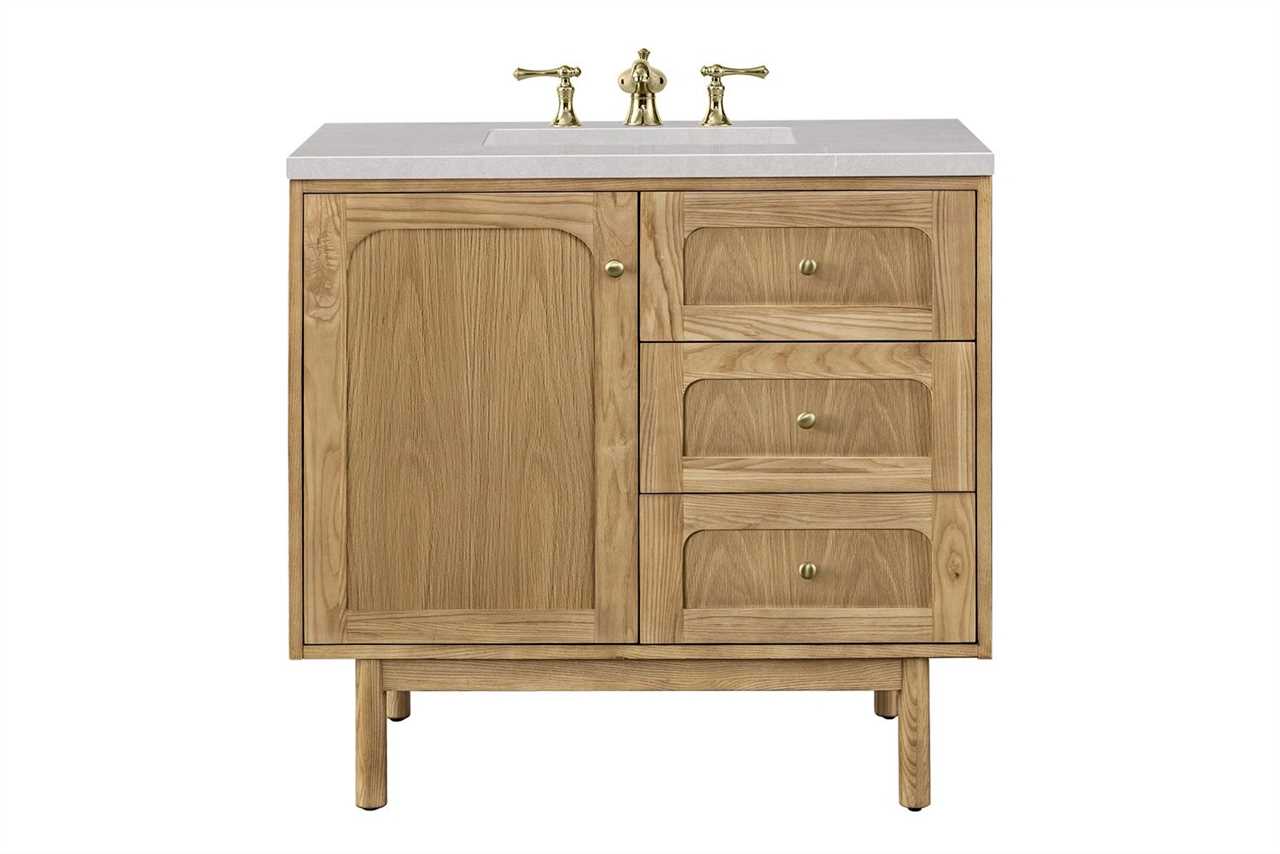
When considering the standard height for a bathroom vanity, it is important to take into account the user’s height and personal preference. The standard height for a bathroom vanity is typically around 32 inches (81 cm), but this can vary depending on the individual.
Some people may prefer a higher vanity height for added comfort and convenience, especially if they are taller. A taller vanity can help prevent back strain and make it easier to use the sink and countertop without having to bend over too much.
On the other hand, shorter individuals may find a standard height vanity more suitable for their needs. It is important to consider the user’s comfort and ease of use when determining the appropriate height for a bathroom vanity.
In addition to the vanity height, other factors such as the height of the mirror and lighting should also be taken into consideration. The mirror should be positioned at a height that allows the user to see their reflection comfortably, while the lighting should be placed in a way that minimizes shadows and provides adequate illumination.
Another consideration is the height of the cabinet or storage space below the countertop. This should be at a height that allows for easy access to items stored within, without causing strain or discomfort.
In summary, while the standard height for a bathroom vanity is around 32 inches, the user’s height and preference should also be taken into account. It is important to find a height that promotes comfort and ease of use, considering factors such as the sink, vanity countertop, mirror, lighting, and cabinet height.
Sink Type and Installation

When choosing a bathroom vanity, it’s important to consider the type of sink and its installation. The sink plays a crucial role not only in terms of functionality but also in terms of aesthetics. There are several sink types to choose from, each with its own advantages and considerations.
1. Drop-in Sink: This type of sink is the most common and easiest to install. It is dropped into a hole cut in the countertop, with the rim resting on top. The exposed rim can be a disadvantage as it can accumulate dirt and grime, requiring regular cleaning.
2. Undermount Sink: An undermount sink is installed beneath the countertop, creating a seamless and sleek look. This type of sink is easier to clean as there is no exposed rim. However, it requires professional installation and may be more expensive.
3. Vessel Sink: Vessel sinks sit on top of the countertop, creating a bold and unique look. They can be made of various materials such as glass, stone, or porcelain. Vessel sinks require a higher vanity height to accommodate their height, and they may also require a special faucet.
4. Wall-Mounted Sink: As the name suggests, a wall-mounted sink is mounted directly on the wall, without the need for a vanity cabinet. This type of sink is ideal for small bathrooms or for creating a minimalist look. However, it lacks storage space and may require additional wall-mounted storage options.
When choosing the sink type and installation, it’s important to consider the overall design and functionality of the bathroom. The sink should complement the vanity, cabinet, and countertop, as well as the lighting and mirror placement. By carefully considering these factors, you can create a bathroom that is both stylish and functional.
Mirror Placement and Size

When it comes to bathroom design, the placement and size of the mirror is an important consideration. The mirror serves both a functional and aesthetic purpose, so getting it right is crucial.
The mirror should be positioned at a height that is convenient for everyday use. The standard height for a bathroom vanity mirror is typically around 36 inches from the countertop. This allows for easy viewing and ensures that the mirror is accessible to all members of the household.
In addition to the height, the size of the mirror is also important. It should be wide enough to provide a clear reflection of the person standing in front of it. A good rule of thumb is to choose a mirror that is at least as wide as the vanity cabinet or countertop. This will create a balanced and visually appealing look.
Another factor to consider is the lighting in the bathroom. The mirror should be placed in a location that allows for adequate lighting. This can be achieved by positioning the mirror near a window or installing lighting fixtures above or on the sides of the mirror. Good lighting is essential for tasks such as shaving, applying makeup, and styling hair.
Furthermore, the mirror can also serve as a storage solution. Some mirrors come with built-in cabinets or shelves, providing additional storage space for toiletries and other bathroom essentials. This can be especially useful in bathrooms with limited storage options.
In conclusion, when it comes to mirror placement and size in the bathroom, it is important to consider the height, width, lighting, and storage options. By taking these factors into account, you can create a functional and aesthetically pleasing bathroom design.
Video:What is the Ideal Height for a Bathroom Vanity? Get Expert Advice and Tips for Choosing the Perfect Vanity Height.

Hello, I am Beverly J. Sanders, the voice behind the diverse articles you come across on styves.co.za. My passion lies in exploring the nuances of home improvement and sharing tips that can help you transform your living space into a haven of comfort and style. From the latest trends in home decor to practical cleaning advice, I cover a broad spectrum of topics to cater to a wide variety of interests.
In my recent works, I have delved into the advantages of incorporating a horizontal Murphy bed into your home to save space without compromising on design and functionality. I also explored the benefits of having a free-standing electric fireplace that not only adds warmth to your home but also brings a sleek and modern design to any living space. My articles are a rich resource, offering insights into different products and home improvement strategies that can enhance the quality of your life.
I believe in the power of details; a belief that reflects in my comprehensive guides where I discuss even the overlooked aspects of home decor, such as the impact of baseboard trim in enhancing the overall look and feel of your home. I am constantly on the lookout for innovative solutions and products that can add value to your home and life.
Join me in my exploration as I continue to bring you the latest trends, tips, and insights in the home improvement world. Let’s create a home that is not just a place to live, but a reflection of style and personality.